Key Takeaways
US and allied forces launched large-scale strikes against ISIS in Syria after a deadly attack killed three Americans. Get today’s breaking news and implications.
Overview
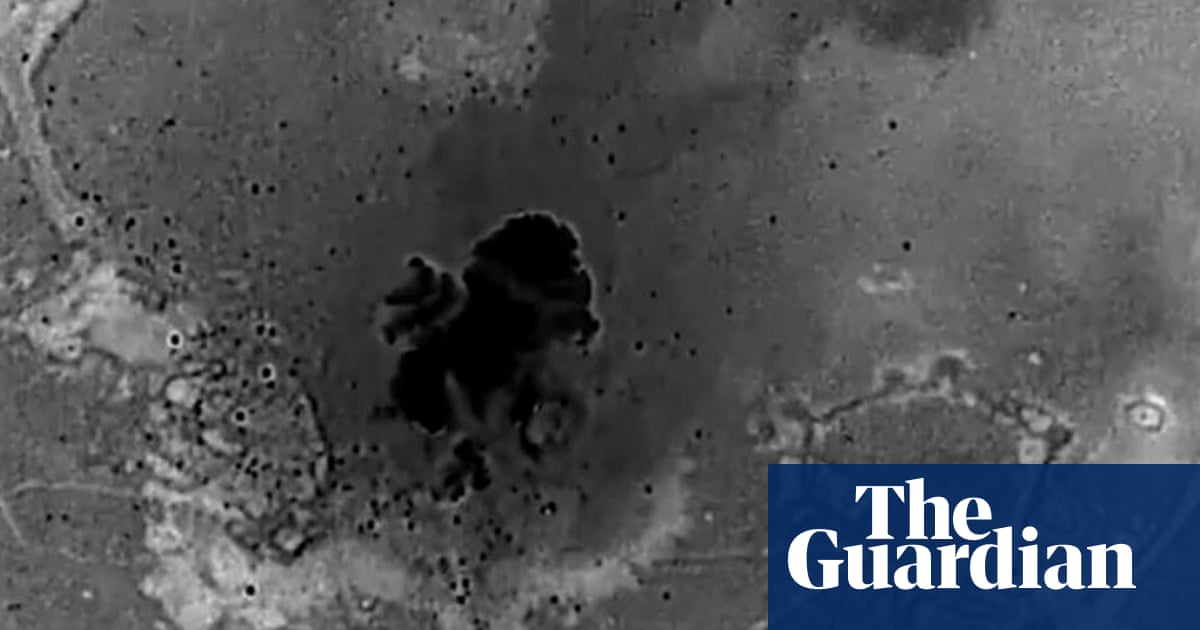
In a significant move impacting global security and current affairs, US and allied forces initiated “large-scale” strikes against the Islamic State jihadist group across Syria. This action comes as a direct and latest response to a militant attack in Palmyra last month that tragically killed three Americans, intensifying international efforts against the group.
This development is crucial for general readers and news consumers, highlighting the persistent threat of extremist groups and the ongoing commitment of international powers to counter terrorism. It signals a continued, robust posture against residual ISIS elements in the region.
The strikes, part of Operation Hawkeye Strike, targeted ISIS throughout Syria, following a previous round of strikes by the US and Jordan. The December 13 Palmyra attack resulted in the deaths of two US soldiers and a US civilian interpreter.
These coordinated military operations underscore the complex dynamics in the Middle East and necessitate close monitoring of today’s updates regarding regional stability and international counter-terrorism strategies.
Detailed Analysis
The recent “large-scale” strikes by US and allied forces against the Islamic State in Syria mark a critical juncture in the ongoing global effort to dismantle the terrorist organization. This latest military action, launched under Operation Hawkeye Strike, directly retaliates for a deadly December 13 attack in Palmyra, which claimed the lives of two US soldiers and a US civilian interpreter. Palmyra, a UNESCO-listed ancient site, previously endured occupation by jihadist fighters, underscoring the strategic and symbolic importance of the region.
These targeted operations throughout Syria highlight the persistent challenge ISIS poses, even after its territorial defeat in 2014. Despite significant international efforts, including Operation Inherent Resolve, ISIS maintains a presence, particularly in Syria’s expansive desert regions. The involvement of both US and allied forces, previously seen in joint strikes with Jordan, signifies a united front against the extremist group. The immediate aim is to degrade ISIS capabilities and prevent further attacks on US and Syrian forces, reassuring partners and projecting strength in a volatile geopolitical landscape.
The US military’s consistent engagement in Syria has a complex history, with former President Donald Trump expressing skepticism about American troop presence and even ordering withdrawals, though troops ultimately remained. More recently, the Pentagon announced plans to halve US personnel in Syria, with the US special envoy for Syria, Tom Barrack, indicating an eventual reduction to a single base. This ongoing debate about troop levels and mission scope contrasts with the renewed offensive actions, demonstrating a flexible but firm approach to counter-terrorism. The current strikes, a direct response to a specific attack, may temporarily halt or slow the planned drawdown of forces, creating a dynamic situation for general readers to follow.
For general readers and news consumers tracking India News and global current affairs, these US Syria strikes underscore the enduring nature of international terrorism and the costs of combating it. The implications span regional stability in the Middle East, US foreign policy objectives, and the potential for broader humanitarian impacts. While the immediate goal is to punish ISIS for its actions, the long-term challenge remains the complete eradication of its influence and ideology. Key events to monitor include any subsequent ISIS retaliation, updates on US troop deployment strategies, and reactions from regional governments and international bodies, all of which contribute to today’s crucial updates on global security.
About the Author