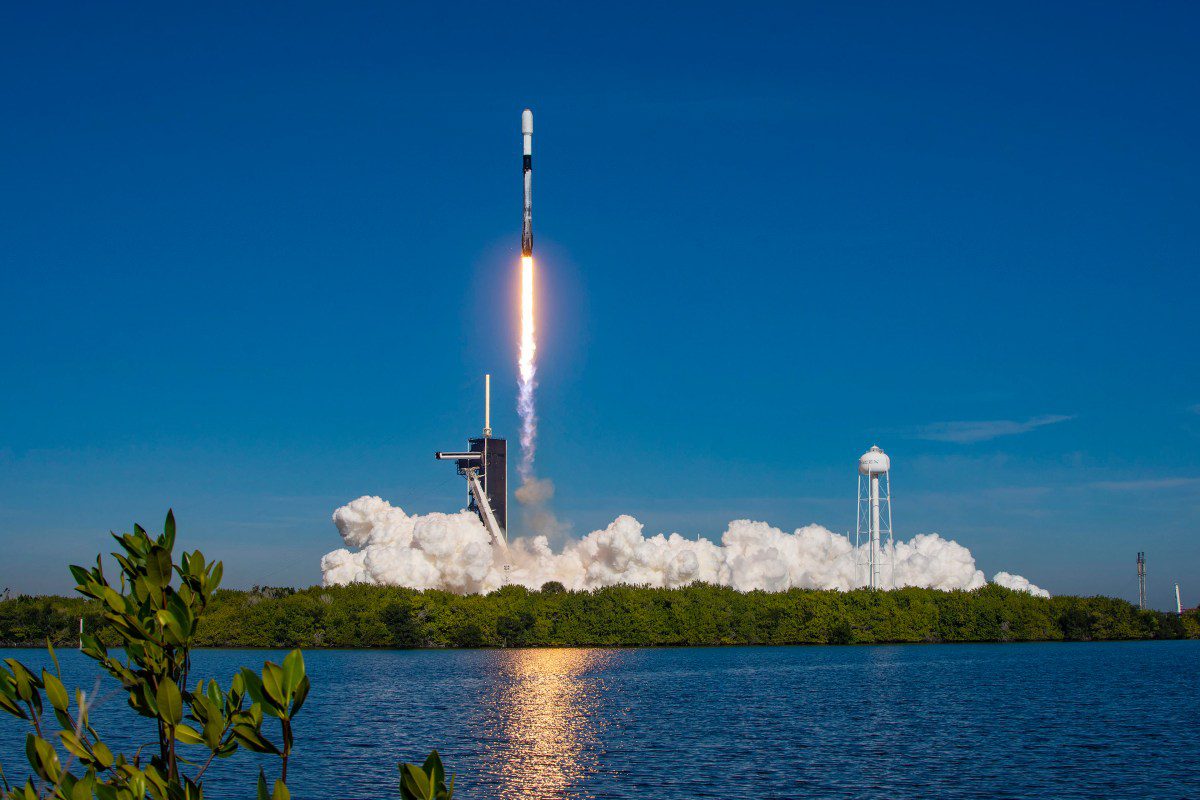
Key Takeaways
SpaceX Starlink secured FCC approval for 7,500 more satellites, bringing the total to 15,000. Understand implications for global broadband and future connectivity.
Overview
In a significant move for global connectivity, the Federal Communications Commission (FCC) has granted SpaceX Starlink approval to launch an additional 7,500 second-generation satellites. This decision brings the total authorized Starlink satellites worldwide to 15,000, marking a major expansion for the company’s high-speed internet service.
This development is crucial for General Readers and News Consumers across India and globally, as it promises to extend internet access to underserved regions. The expansion could particularly benefit areas with limited traditional broadband infrastructure, potentially bridging the digital divide.
The FCC’s approval allows Starlink satellites to operate across five frequencies and offers direct-to-cell connectivity outside the United States, alongside supplemental coverage within the U.S. SpaceX must launch 50% of these new satellites by December 1, 2028, and the remaining 50% by December 2031.
This decision, part of today’s updates in current affairs, sets the stage for intensified competition in the satellite internet sector and could reshape how millions connect online in the coming years.
Detailed Analysis
The recent FCC authorization for SpaceX to deploy an additional 7,500 Starlink Gen2 satellites represents a pivotal moment in the ongoing race for global internet coverage. This decision builds upon an existing authorization, solidifying Starlink’s position as a major player in satellite broadband. Historically, internet access has been predominantly ground-based, relying on extensive physical infrastructure. However, with the rise of satellite constellations like Starlink, the paradigm is shifting towards space-based solutions that promise to deliver high-speed internet to virtually any location on Earth, circumventing the logistical challenges of traditional cable and fiber networks. This move underscores the increasing demand for ubiquitous connectivity, particularly in remote and rural areas that have long suffered from inadequate internet services. The ambition behind such large-scale satellite deployments reflects a broader industry trend towards leveraging low Earth orbit (LEO) satellites for various communication needs, pushing the boundaries of what is technologically feasible.
A closer examination of the FCC’s decision reveals several key details that outline the scope and impact of this approval. The sanction for 7,500 new Gen2 Starlink satellites brings the total authorized count to an impressive 15,000. While SpaceX had initially sought approval for an additional 15,000 satellites, the FCC chose to “defer authorization of the remaining 14,988 proposed Gen2 Starlink satellites,” indicating a measured approach to regulating the rapidly expanding orbital infrastructure. Crucially, the approval enables Starlink satellites to operate across five distinct frequencies, enhancing their versatility and capacity. Furthermore, the authorization extends to providing direct-to-cell connectivity outside the United States, complemented by supplemental coverage within the U.S. This direct-to-cell capability is a game-changer, promising to deliver internet services directly to standard smartphones, bypassing the need for dedicated Starlink terminals in certain regions. The FCC has also set clear timelines for deployment, requiring 50% of the approved satellites to be launched by December 1, 2028, and the remaining 50% by December 2031, ensuring a structured rollout.
The expansion of Starlink’s constellation, as enabled by this FCC approval, places it in a competitive landscape with both established telecommunication giants and emerging satellite internet providers. Traditional internet service providers (ISPs) often struggle with the cost and logistics of extending high-speed broadband to remote areas, a gap that Starlink is uniquely positioned to fill. Compared to geostationary satellite internet services, LEO constellations like Starlink offer significantly lower latency, making them more suitable for applications requiring faster response times, such as online gaming and video conferencing. This development further intensifies the competition in the global internet access market, encouraging innovation across the board. Regulatory bodies worldwide will likely continue to monitor the deployment and operation of these vast constellations, addressing concerns related to orbital debris, spectrum allocation, and international cooperation. The implications for policy and infrastructure development in various countries, including India, are substantial as they consider integrating such advanced space technology into their national digital strategies.
For General Readers and News Consumers, particularly those following India News and current affairs, this SpaceX Starlink development translates into a tangible step towards a more connected world. The promise of direct-to-cell connectivity, even if initially outside the U.S., signals a future where reliable internet access is less dependent on geographical location. Individuals in rural or remote parts of India, where high-speed internet remains a luxury, could eventually benefit from such advancements, even if indirectly through broader global trends in satellite communication. This progress has the potential to impact education, healthcare, and economic opportunities by democratizing access to information and digital services. Audiences should monitor Starlink’s deployment progress, particularly the milestones set for 2028 and 2031, as well as any future regulatory decisions concerning the deferred satellites. This move by the FCC and SpaceX exemplifies an accelerating trend in space-based infrastructure, pushing global connectivity into new, accessible frontiers.
About the Author