Key Takeaways
Whitney Cummings sparks a vibrant debate on ‘woke hypocrisy’ on Joe Rogan’s podcast. Dive into her candid take, its cultural impact, and what it means for Hollywood.
Overview
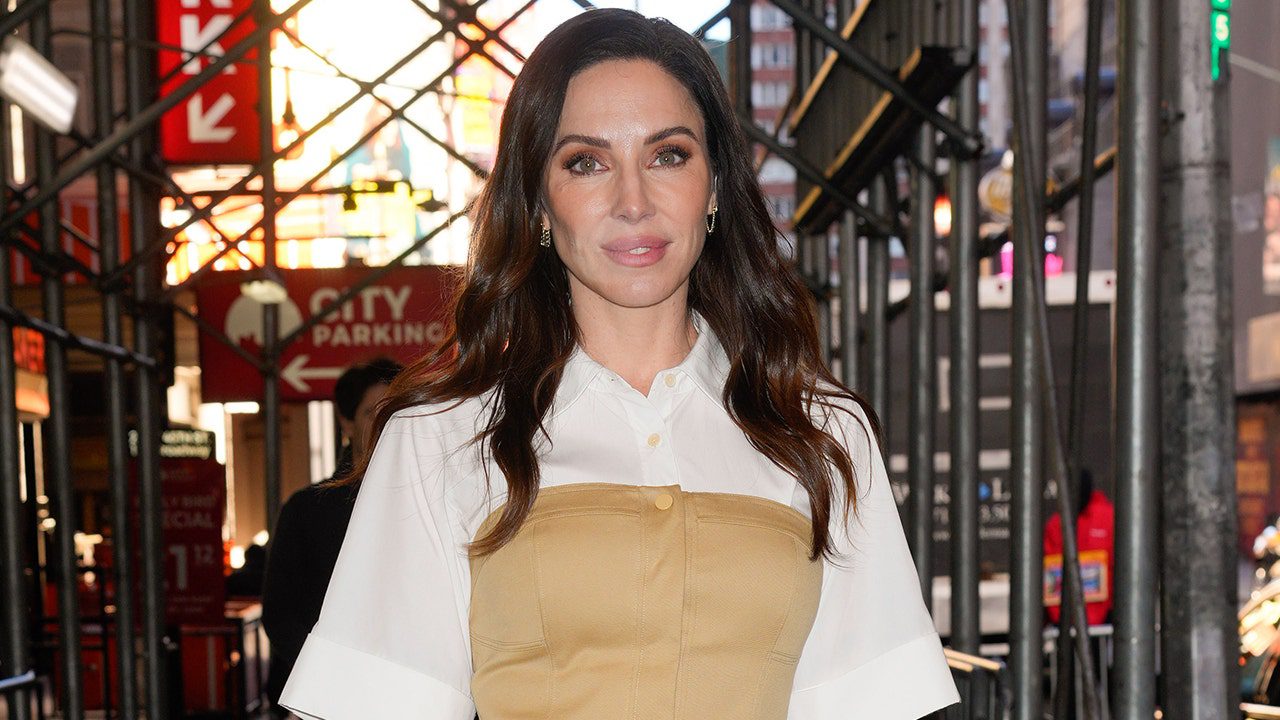
Comedian and actress Whitney Cummings recently ignited a blazing debate, openly challenging what she sees as “woke hypocrisy” during her candid appearance on “The Joe Rogan Experience” podcast. This isn’t just another celebrity soundbite; it’s a vibrant moment reflecting a growing trend within Hollywood and the broader entertainment landscape. Cummings, known for her sharp wit and self-proclaimed former liberal background, sparked conversations across pop culture fans and entertainment enthusiasts, urging a closer look at evolving social narratives.
Her passionate commentary on January 10, following similar sentiments aired on her “Good For You” podcast in January 2025, quickly became a hot topic. With her Netflix special “Jokes” from 2022 showcasing her comedic prowess, her words resonate with a wide audience.
This bold stance provides a fascinating glimpse into the challenges artists face today, grappling with shifting public discourse. It delves into critical issues of free speech, ideological consistency, and the very essence of modern liberalism.
We’ll dive deeper into her specific observations, the broader industry context, and what her statements mean for the future of celebrity influence and cultural impact.
Detailed Analysis
Whitney Cummings, a familiar face from MTV’s “Punk’d” and a successful stand-up comedian with multiple specials, has a long history of provocative humor. Her recent remarks on “The Joe Rogan Experience” podcast, however, transcended typical comedic boundaries, striking a chord with entertainment enthusiasts and pop culture fans alike. Cummings, who once identified as a deeply liberal individual, sporting blue hair and rescuing pit bulls, now offers a critical perspective from within. Her journey reflects a perceived shift in liberalism itself, moving beyond its core tenets of equality to what she critically labels “diversity but not diversity of thought.” This narrative of disillusionment from someone who embodies the very “liberal” archetype provides a compelling and relatable entry point for anyone following celebrity news and the broader cultural conversation. It spotlights a growing sentiment among public figures grappling with the evolving, and sometimes contradictory, social and political landscapes of today.
Cummings frames her critique with sharp wit, declaring herself an “expert on hypocrisy,” a skill honed through personal experiences and her career as a comic. She meticulously points out distinct patterns of inconsistency that became glaringly apparent to her over time. Among her compelling examples, she cites the paradox of advocating vigorously for gender fluidity while simultaneously demanding a female president. Another point of contention is the “my body, my choice” mantra, which she argues clashes directly with mandates like those for infant vaccinations. Furthermore, she highlights the apparent contradiction of professing belief in rising sea levels due to climate change while choosing to reside on coastal properties. These observations, delivered with her characteristic directness, underscore her argument that elements of the “Left” have, in her view, transformed into a “party of censorship.” This echoes sentiments she previously shared on her “Good For You” podcast in January 2025, where she provocatively likened her past relationship with the Left to “Stockholm syndrome.”
Cummings’ outspokenness isn’t an isolated incident in the entertainment world; it’s part of a larger trend where comedians and public figures meticulously navigate increasingly sensitive cultural terrains. This mirrors scenarios like Jay Leno’s reported decision to move away from overtly political stand-up routines to bolster ticket sales, illustrating the delicate tightrope artists walk. While some entertainers opt for strict neutrality or simply echo prevailing sentiments, others, like Cummings, choose to critique perceived inconsistencies, often risking significant backlash. The entertainment industry, encompassing Hollywood and Bollywood, constantly grapples with balancing artistic freedom against shifting audience expectations and the heightened scrutiny of social media. Her stance sparks a crucial debate: is constructive criticism from within one’s own ideological camp now viewed as betrayal rather than genuine engagement?
For entertainment enthusiasts and pop culture fans, Whitney Cummings’ outspokenness serves as a pivotal moment, forcing a re-evaluation of the intricate dynamics between celebrity influence and public discourse. Her willingness to speak her mind, despite potential repercussions, challenges audiences to consider the nuances of complex social issues beyond simplistic tribal affiliations. It resonates with a growing desire for authenticity from public figures, even if that authenticity manifests in uncomfortable truths. Looking ahead, observing how her comments might influence her upcoming touring schedule, her future projects within Hollywood, and critically, how her fan reception evolves in the coming months will be key. This entire incident powerfully underscores the immense influence of podcasts like “The Joe Rogan Experience” as vital platforms for unfiltered celebrity opinions, shaping ongoing conversations about free speech, the boundaries of humor, and the ever-elusive quest for ideological consistency within the vibrant world of entertainment and beyond.
About the Author