Key Takeaways
Novo Nordisk’s Wegovy pill launches, disrupting the obesity drug market. Analyze its financial impact, competition, and investment implications for pharma stocks in 2026.
Overview
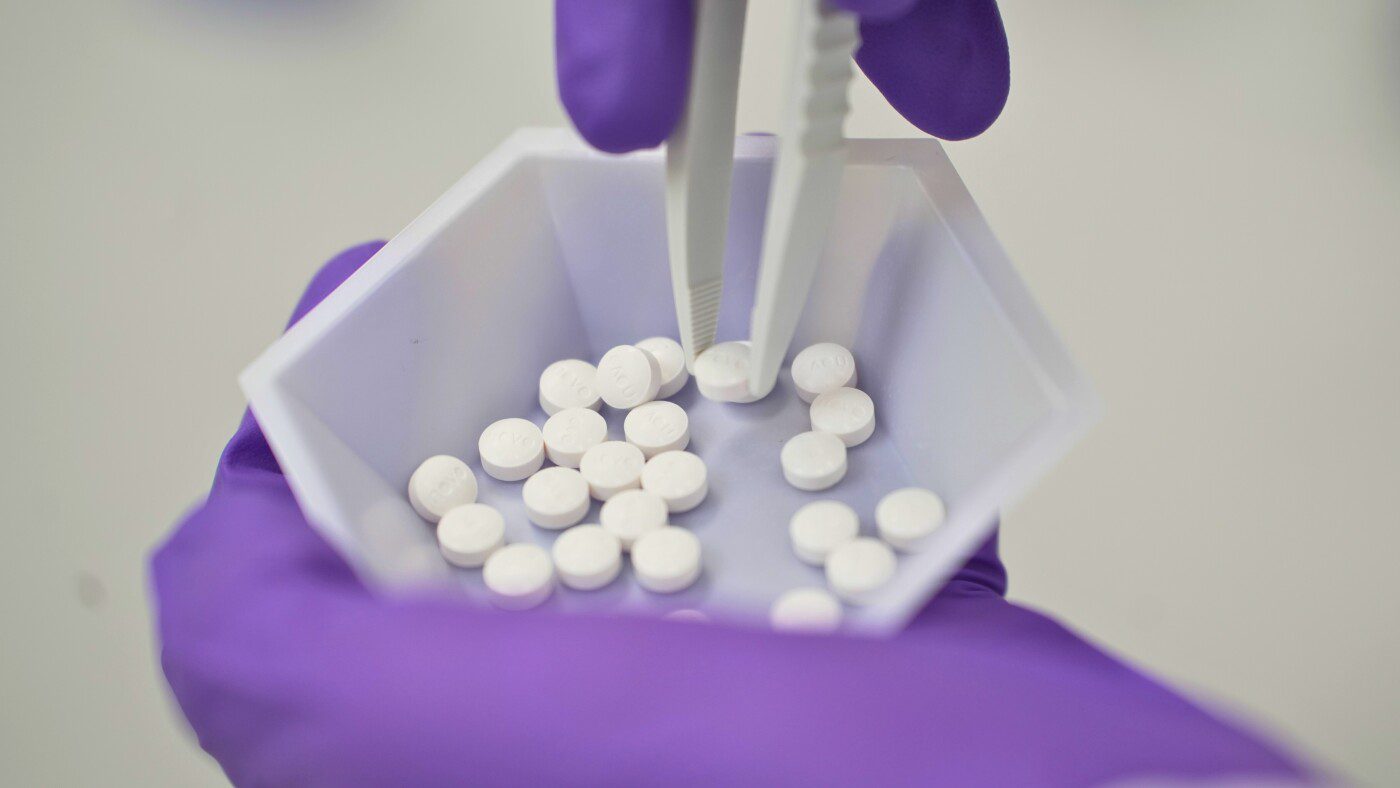
The recent launch of the Wegovy obesity pill marks a significant development in the global pharmaceutical landscape, with its starting dose now available at pharmacies. This strategic move by Novo Nordisk follows the blockbuster success and prior supply shortages of its injectable counterpart, signaling a potential reshape of the weight-loss drug market dynamics.
For Retail Investors, Swing Traders, and Long-term Investors, this launch presents crucial opportunities and risks within the healthcare sector. The shift from injectable to oral administration could significantly expand market access and adoption, impacting the revenue projections for Novo Nordisk and its competitors in the burgeoning obesity treatment segment.
Key metrics highlight the pill’s efficacy, demonstrating a 13.6% average weight reduction over 64 weeks in studies. Pricing strategies reveal a direct-to-consumer cost of $149 for the starting dose, rising to $299 for higher doses, alongside a list price of $1,349 per month.
Investors should closely monitor market penetration rates, insurance coverage evolution, and the competitive responses, particularly from Eli Lilly, as these factors will define the investment landscape in the coming quarters for the Indian Stock Market and global pharma stocks.
Key Data
| Metric | Wegovy Pill (Starting Dose) | Wegovy Pill (Higher Doses) | Wegovy Injection (List Price) |
|---|---|---|---|
| Direct-to-Consumer Price (per month) | $149 | $299 | N/A |
| List Price (per month) | $1,349 | $1,349 | $1,349 |
| Avg. Weight Reduction (64 weeks, 25mg) | 13.6% | Similar efficacy implied | About 13.6% implied |
Detailed Analysis
The market for obesity and weight management drugs has experienced unprecedented growth, primarily driven by the introduction of GLP-1 (Glucagon-like peptide-1) receptor agonists. Novo Nordisk has been a frontrunner in this space with its injectable Wegovy, which achieved significant success but also faced prolonged supply shortages, extending until February 2025. This history underscores the immense demand and potential revenue streams associated with effective weight-loss treatments. The launch of an oral formulation, a significant convenience factor, arrives at a critical juncture, positioning Novo Nordisk to capitalize further on this unmet medical need and potentially expand its market leadership in the broader healthcare sector.
Detailed analysis of the Wegovy pill reveals several financial and operational considerations. The FDA approval in December 2025 for obesity and cardiovascular risk reduction positions it as a versatile and high-impact drug. Efficacy data from the New England Journal of Medicine study indicate an average 13.6% weight reduction with the 25mg pill over 64 weeks, comparable to the injectable version. This strong efficacy, combined with the convenience of a pill, suggests high adoption potential. However, the specific administration requirement—taking the pill on an empty stomach and waiting 30 minutes before eating—could pose a adherence challenge for some patients. The tiered pricing model, with a direct-to-consumer starting price of $149/month escalating to $299/month for higher doses, alongside a steep list price of $1,349/month, signifies a premium product. Despite this, Novo Nordisk projects the pill could be available for as low as $25/month with insurance, a critical factor given the increasingly restrictive insurance coverage for obesity drugs noted in 2025 by GoodRx analysis. This multifaceted pricing strategy aims to balance accessibility with profitability.
In the competitive landscape, Novo Nordisk’s Wegovy pill enters a market already stirred by its own successful injection and facing imminent competition. Eli Lilly, a significant rival in the diabetes and obesity space with its Zepbound injection, has already applied for FDA approval for its own competing obesity pill in late 2025. This application, granted priority review, could see a decision early this year, intensifying the competitive pressure on Novo Nordisk. The presence of Novo Nordisk’s existing Type 2 diabetes pill, Rybelsus, which shares the same active ingredient (semaglutide) but in different doses, provides a precedent for oral GLP-1 agonists, indicating a pathway for market acceptance. The rivalry between these pharmaceutical giants will likely drive innovation, potentially leading to increased R&D spending and aggressive marketing strategies. Investors should evaluate these competitive dynamics, including patent expirations and pipeline developments, when assessing the long-term viability of their holdings in this high-growth sector. [Suggested Matrix Table: Comparative Efficacy & Pricing of Key Obesity Drugs (Wegovy Pill, Wegovy Injection, Zepbound, Eli Lilly Pill Pipeline)]
For Retail Investors and Long-term Investors navigating the Indian Stock Market, monitoring the performance of global pharmaceutical leaders like Novo Nordisk and Eli Lilly offers critical insights into sector trends. The launch of the Wegovy pill, with its potential to ease supply constraints and broaden patient access, positions Novo Nordisk for sustained revenue growth. However, the rapidly evolving competitive landscape and the complexities of insurance coverage for obesity drugs introduce significant risk factors. Swing Traders may find opportunities in price movements driven by news of clinical trials, regulatory approvals, and sales figures. Finance Professionals should integrate detailed financial analysis, including valuation multiples and market penetration models, to forecast the revenue impact for these companies. Key metrics to monitor include quarterly sales reports, updates on Eli Lilly’s pill approval, and any changes in insurance policy coverage. The long-term investment implication points to a sustained growth trajectory for companies with strong pipelines in the obesity and metabolic disorder segment, making strategic allocations to the Nifty Pharma sector or specific global healthcare ETFs a consideration, while carefully assessing the competitive pressures and regulatory environment.
About the Author