Key Takeaways
Venezuela’s escalating crisis and Trump’s threats signal significant geopolitical risk. Analyze market impact, crude oil volatility, and investment strategies for Indian investors.
Overview
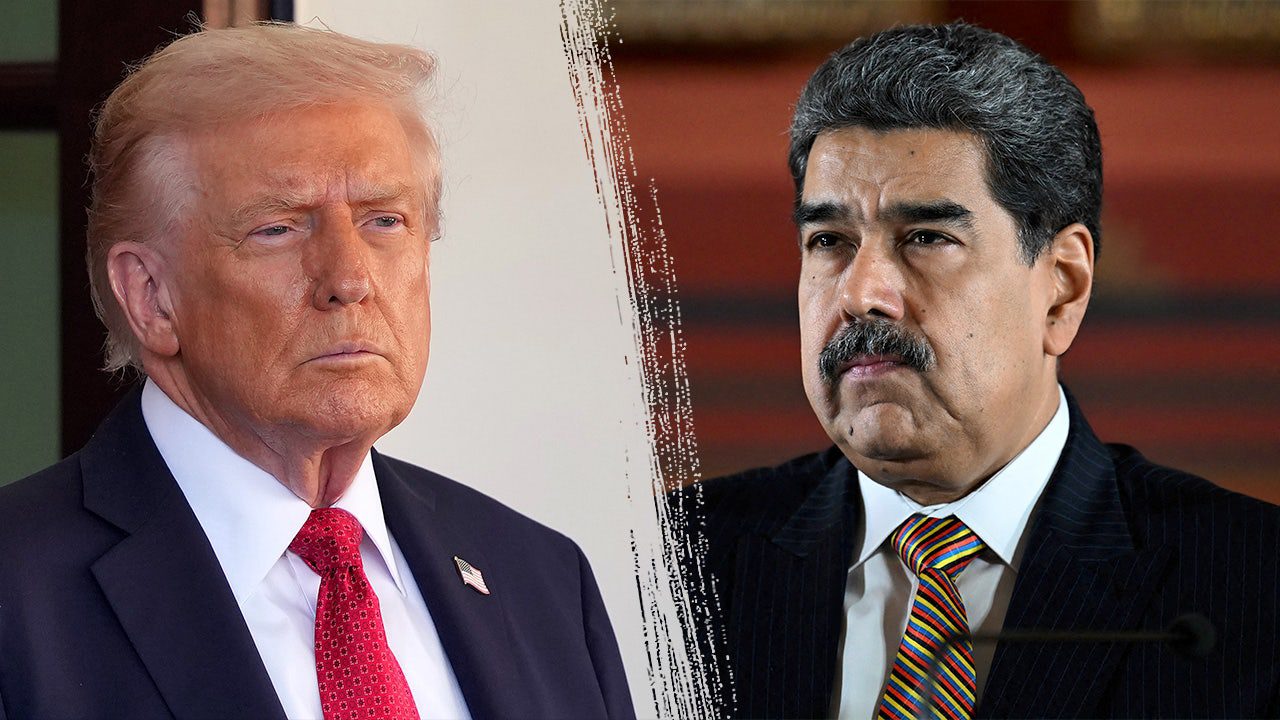
The escalating political tensions in Venezuela, marked by former U.S. President Donald Trump’s assertive stance on governing the nation and Venezuelan leader Nicolas Maduro facing a ‘worst-case scenario’, introduce significant geopolitical risk into global financial markets, including the Stock Market India.
For Retail Investors, Swing Traders, and Long-term Investors, this development necessitates a close examination of potential impacts on crude oil prices, commodity-linked equities, and broader emerging market volatility. Finance Professionals should factor in renewed political instability in a key oil-producing nation.
Key events include Trump’s vow to ‘govern Venezuela’ and explicit warnings to any new leadership, alongside reports of Cuban officers’ casualties following a ‘Maduro capture’ scenario, underscoring heightened unpredictability.
This analysis delves into the short-term market reactions, medium-term ripple effects, and long-term structural shifts, offering crucial insights for investment and trading strategies on NSE and BSE platforms.
Detailed Analysis
The political landscape in Venezuela has long been a source of volatility for global commodity markets, particularly crude oil. Historically, major shifts in Venezuelan governance or international relations have directly correlated with fluctuations in energy prices due to the nation’s vast petroleum reserves. The current declarations by former President Trump, asserting a direct role in Venezuela’s future governance and issuing stern warnings to President Maduro, signal a potential intensification of international pressure. This context is critical for investors understanding the potential for supply chain disruptions, shifts in global oil dynamics, and the subsequent impact on inflation and corporate earnings across various sectors.
A detailed analysis of the implications reveals several key areas for financial scrutiny. Trump’s vow to ‘govern Venezuela’ and the accompanying threat of a ‘big price’ for uncooperative leadership introduce a new layer of uncertainty that can directly influence investor sentiment. While specific financial metrics are not disclosed in the immediate reports, the rhetoric alone can trigger risk-off trading behaviors. Potential scenarios range from increased sanctions targeting Venezuela’s oil sector, which could tighten global crude supply, to heightened political instability within the country, leading to internal disruptions. Indian markets, particularly the Nifty Oil & Gas index and import-heavy sectors, are highly sensitive to crude price movements, making this a critical development for financial analysis. The reported ‘worst-case scenario’ for Maduro and his wife, coupled with casualties involving Cuban officers, suggests an environment ripe for rapid, unpredictable changes that warrant close monitoring by retail investors and finance professionals alike.
Comparing the Venezuelan situation to past geopolitical flashpoints in oil-rich regions highlights the immediate and secondary consequences for global markets. Events like the Iraqi invasion of Kuwait or the Libyan civil war demonstrated how regional conflicts can lead to significant spikes in crude oil futures, impacting national economies. While direct military intervention is not explicitly stated, the strong rhetoric from a major global power like the U.S. elevates the perceived risk profile of Venezuelan assets and could deter foreign investment. For the Indian market, particularly the NSE and BSE, this could translate into increased hedging costs for oil importers, potential inflationary pressures, and a flight to safety within equity markets. Investors should consider the relative performance of commodity-exporting versus commodity-importing nations under such geopolitical stress, adjusting their investment strategies accordingly.
For Retail Investors, Swing Traders, Long-term Investors, and Finance Professionals, the Venezuelan crisis underscores the importance of a diversified portfolio and robust risk management. The immediate focus should be on tracking crude oil price movements, as any significant disruption in Venezuelan output or transit routes could have a ripple effect on Indian fuel costs and corporate profitability. Swing traders might identify opportunities in oil & gas futures or related equity derivatives on the NSE, while long-term investors should evaluate the macroeconomic impact on India’s inflation and trade balance. Upcoming developments include any official statements from the U.S. administration, responses from regional powers, and any on-the-ground changes in Venezuela. Monitoring these geopolitical indicators is paramount, as they could dictate market direction and necessitate agile adjustments to investment and trading strategies in the dynamic Indian Stock Market.
About the Author