Key Takeaways
US politics sees major clash as leaders condemn Minneapolis shooting response. Understand policy implications and legislative battles in the global political landscape.
Overview
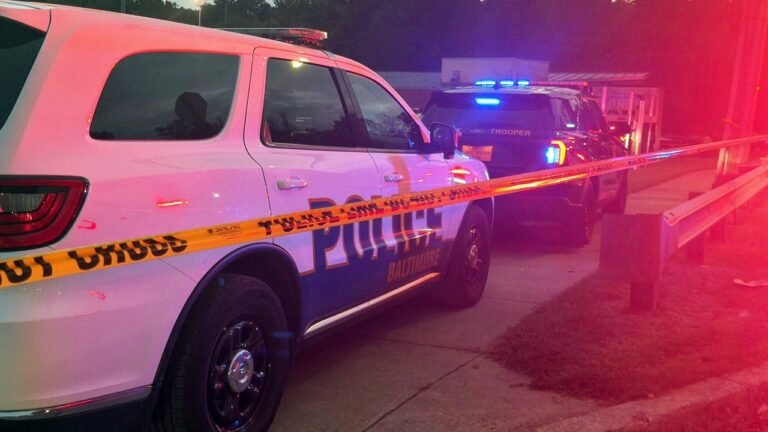
A recent fatal shooting in Minneapolis has ignited a fierce political firestorm in US politics, drawing sharp condemnations from Democratic leaders and strong defenses from the Trump administration. This event, concerning the tragic death of Renee Nicole Good, underscores deep divisions within American governance and policy implementation, particularly regarding law enforcement and immigration.
For News Readers, Policy Watchers, Informed Citizens, and Political Analysts globally, including those observing India’s democratic processes, this incident highlights critical aspects of accountability, executive power, and legislative oversight. The swift and polarized reactions offer a case study in how high-stakes events can shape national discourse and policy directions.
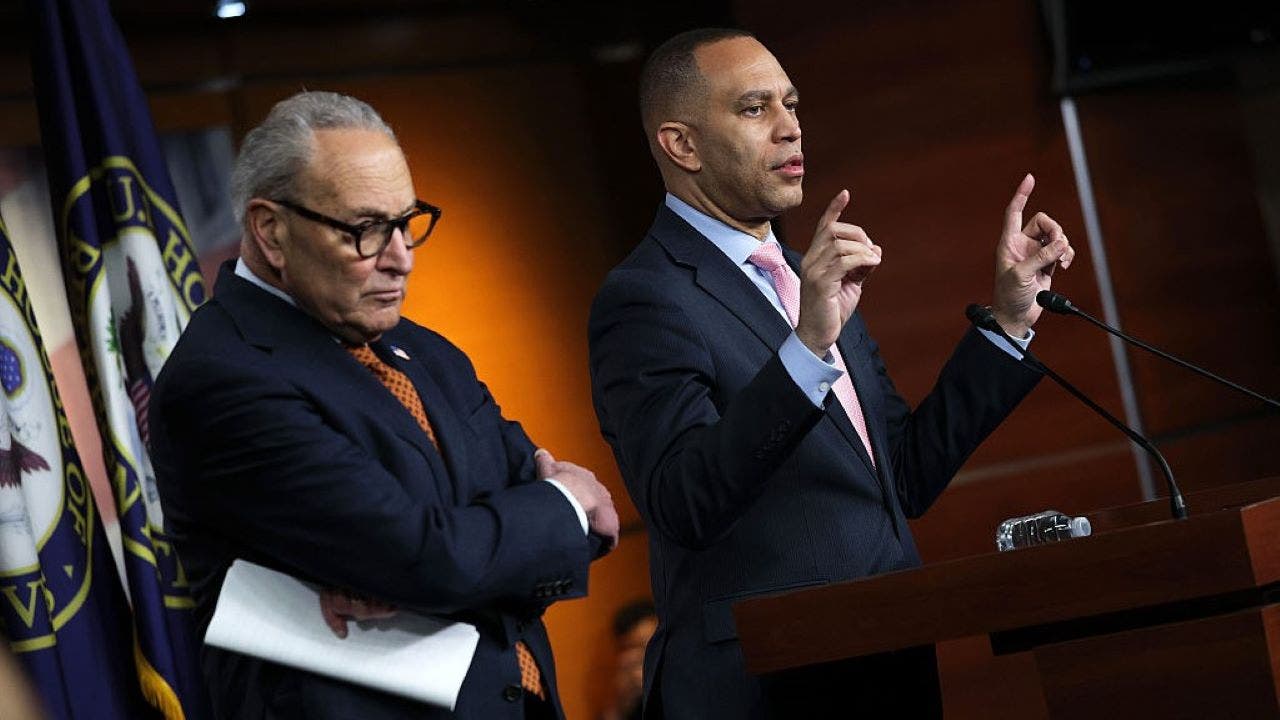
House Minority Leader Hakeem Jeffries condemned Homeland Security Secretary Kristi Noem as a “stone-cold liar,” while Senate Minority Leader Chuck Schumer expressed distrust in the administration’s investigative capacity. Meanwhile, President Trump reviewed video evidence, backing the ICE agent involved.
The unfolding situation merits close observation for its short-term political ramifications and potential long-term influence on policy and public trust in democratic institutions, offering valuable insights into global governance challenges.
Key Data
| Policy/Allocation | Amount (Approx.) | Context |
|---|---|---|
| Proposed Defense Budget | $1.5 Trillion | Trump’s call for a ‘dream military’ |
| House Funding Package | $180 Billion | Passed amidst conservative rebellion |
| Minnesota Fraud Scandal | $9 Billion | Senate Republicans eye reconciliation |
Detailed Analysis
The tragic fatal shooting of Renee Nicole Good in Minneapolis has become a significant flashpoint in contemporary US politics, quickly escalating into a broader debate about federal policy, law enforcement accountability, and governmental transparency. Democratic congressional leaders, including House Minority Leader Hakeem Jeffries and Senate Minority Leader Chuck Schumer, swiftly condemned the incident. Jeffries notably labeled Homeland Security Secretary Kristi Noem a “stone-cold liar,” accusing the administration of pushing an “extreme policy” unrelated to legitimate immigration enforcement. Schumer, echoing this sentiment, expressed a lack of trust in the administration’s ability to conduct an impartial investigation. This immediate and strong reaction by the opposition highlights a consistent pattern of political polarization surrounding issues of justice and federal agency actions, often seen in the broader landscape of India Politics and global governance debates.
Conversely, President Donald Trump’s administration has presented a differing narrative, with Trump himself reviewing video evidence with reporters and publicly backing the ICE agent involved in the Minneapolis shooting. Vice President JD Vance announced a multi-state fraud task force following a “Minnesota scandal,” and publicly challenged Democrats to clarify their stance on the ICE officer’s actions. Attorney General Pam Bondi issued a stern warning to protesters, emphasizing resolve against any obstruction of federal law enforcement. These responses underline a strategy focused on defending federal agents, addressing perceived fraud, and maintaining law and order, sharply contrasting with the Democratic calls for accountability and investigation. This division extends to policy, with discussions around national security experts sounding alarms over CCP-linked land ownership near US military bases and concerns over data transfer to China following the collapse of a Roomba maker, illustrating multifaceted challenges to government policy.
The political maneuvering around the Minneapolis incident reflects deeper, ongoing struggles within the US government, mirroring complexities often observed in India’s own Parliament and Supreme Court deliberations. On Capitol Hill, the House saw a “GOP mutiny” with dozens of Republicans defying Trump on a veto override, and passed a nearly $180 billion funding package despite conservative rebellion over “Minnesota fraud fears.” Another House Democrat introduced a bill aimed at preventing presidents from bypassing Congress in foreign operations, following a Venezuela operation. These legislative actions and internal party dissent highlight the fluidity of power dynamics and policy implications. Meanwhile, a Supreme Court showdown looms over Trump’s record-high tariffs, and a federal judge notably disqualified a US attorney who targeted New York AG Letitia James, pointing to potential overreach in legal processes. The contrast between executive claims, legislative efforts, and judicial oversight underscores the intricate checks and balances at play.
For News Readers, Policy Watchers, Informed Citizens, and Political Analysts, the Minneapolis shooting and its aftermath offer crucial insights into the evolving nature of federal authority and accountability in a polarized political climate. The sharp disagreements between key political figures and legislative bodies provide a case study in stakeholder perspectives on governance. Observers should monitor upcoming investigations, any potential new legislative proposals, and the broader policy implications, including how these events might influence future elections and public confidence in government institutions. This ongoing saga in US politics serves as a vital reminder of the continuous challenges faced by democracies worldwide in balancing executive power, legislative oversight, and the rule of law, directly impacting perceptions of political stability and effective government.
About the Author