Key Takeaways
Chick-fil-A launches new frosted drinks and retro merchandise. Analyze the QSR sector impact, consumer spending trends, and investment implications for Indian stock market investors.
Overview
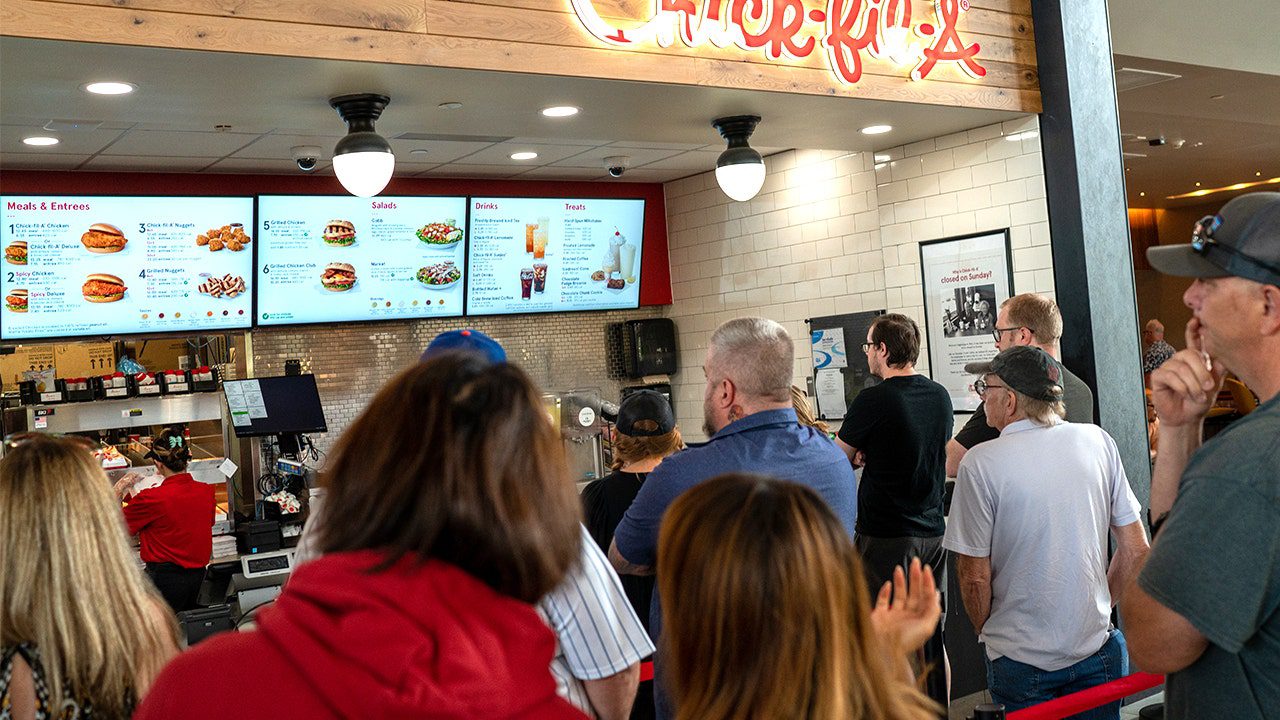
The Quick Service Restaurant (QSR) sector observes new strategic moves as Chick-fil-A launches frosted sodas and a retro merchandise collection, aiming to boost consumer engagement. This initiative, unveiled on January 5, sparks investor interest in broader QSR market dynamics and consumer discretionary spending trends. While Chick-fil-A is a private entity, its actions frequently serve as bellwethers for innovation and competitive intensity across the fast-food industry.
This development is crucial for Retail Investors and Finance Professionals monitoring the QSR landscape, offering insights into customer loyalty drivers and potential market share shifts. Such product expansions can indicate evolving consumer preferences and the competitive strategies publicly traded companies might adopt.
The launch includes permanent menu additions of frosted sodas, featuring flavors like Coca-Cola, Dr. Pepper, and Sprite, alongside a Golden Fan Cup sweepstakes with 3,000 available cups priced at $3.99.
Investors should closely observe how these marketing efforts impact customer traffic and average transaction values within the highly competitive QSR segment, influencing sector-wide investment strategies.
Detailed Analysis
The Quick Service Restaurant (QSR) industry in India and globally remains a pivotal segment for investment, driven by evolving consumer tastes and robust marketing strategies. Historically, QSR growth often correlates with rising disposable incomes and changing lifestyle patterns that prioritize convenience. Companies consistently seek innovative ways to capture market share, ranging from menu diversification to loyalty programs and experiential branding. Chick-fil-A’s latest announcement of frosted sodas and a ‘retro-inspired’ merchandise collection, coupled with an engaging Golden Fan Cup sweepstakes, exemplifies this industry’s constant pursuit of consumer attention. This move, celebrating the company’s 80-year heritage, underscores the strategic importance of nostalgia and novel product offerings in maintaining brand relevance and fostering deeper customer connections in a competitive landscape.
Delving into the specifics, Chick-fil-A’s expansion of its permanent menu with frosted sodas, blending Icedream with fountain beverages, aims to tap into a demand for unique, customizable treats. The inclusion of popular brands like Coca-Cola, Dr. Pepper, and Sprite also leverages existing beverage appeal. Financially, new product launches like this are critical. They often contribute to increased foot traffic, higher average order values, and enhanced brand equity, which are indirect but significant drivers of financial performance. The Golden Fan Cup sweepstakes, offering a chance for free food for a year with a $3.99 purchase of retro cups, is a direct revenue-generating promotional tool designed to create immediate buzz and incentivize purchases. The ‘debate’ among customers, however, regarding pricing and packaging over new products, provides valuable insights into consumer price sensitivity, a key metric for investor analysis in a potentially inflationary environment.
From a comparative analysis standpoint, Chick-fil-A’s strategy mirrors broader trends seen among publicly traded QSR giants on the NSE and BSE. Competitors frequently engage in similar menu innovations, limited-time offers, and merchandise tie-ins to differentiate themselves and drive sales. For instance, many Indian QSR chains regularly introduce regional specialties or collaborate with beverage brands to attract diverse customer segments. The ‘debate’ around pricing, where one Redditor commented, “Just give us lower prices,” highlights a crucial tension point: balancing premium offerings with consumer value perception. This feedback is critical for investors analyzing QSR stocks, as it indicates the potential ceiling for pricing power and the importance of perceived value. Operational challenges, as voiced by employees concerned about making these new, potentially messy drinks, also signal potential impacts on efficiency and labor costs, which directly affect profit margins.
For Retail Investors, Swing Traders, Long-term Investors, and Finance Professionals, Chick-fil-A’s move serves as a proxy for evaluating the health and strategic direction of the broader QSR sector. The success of such initiatives can indicate robust consumer discretionary spending or, conversely, a reliance on promotional activities to sustain engagement. Key metrics to monitor in publicly traded QSR companies include same-store sales growth, average transaction value, customer acquisition costs, and employee satisfaction rates, as operational complexities can erode profitability. Investors should watch for similar innovative product launches and experiential marketing efforts from listed QSR players. The underlying risk is that such innovations may not translate into sustainable profit growth if they are too costly to implement or fail to resonate with a value-conscious consumer base. Conversely, successful execution could signal strong brand power and an ability to drive future growth in a highly competitive market.
About the Author