Key Takeaways
US CDC dramatically reduces recommended childhood vaccines from 17 to 11. Explore the policy changes, stakeholder reactions, and future implications for public health.
Overview
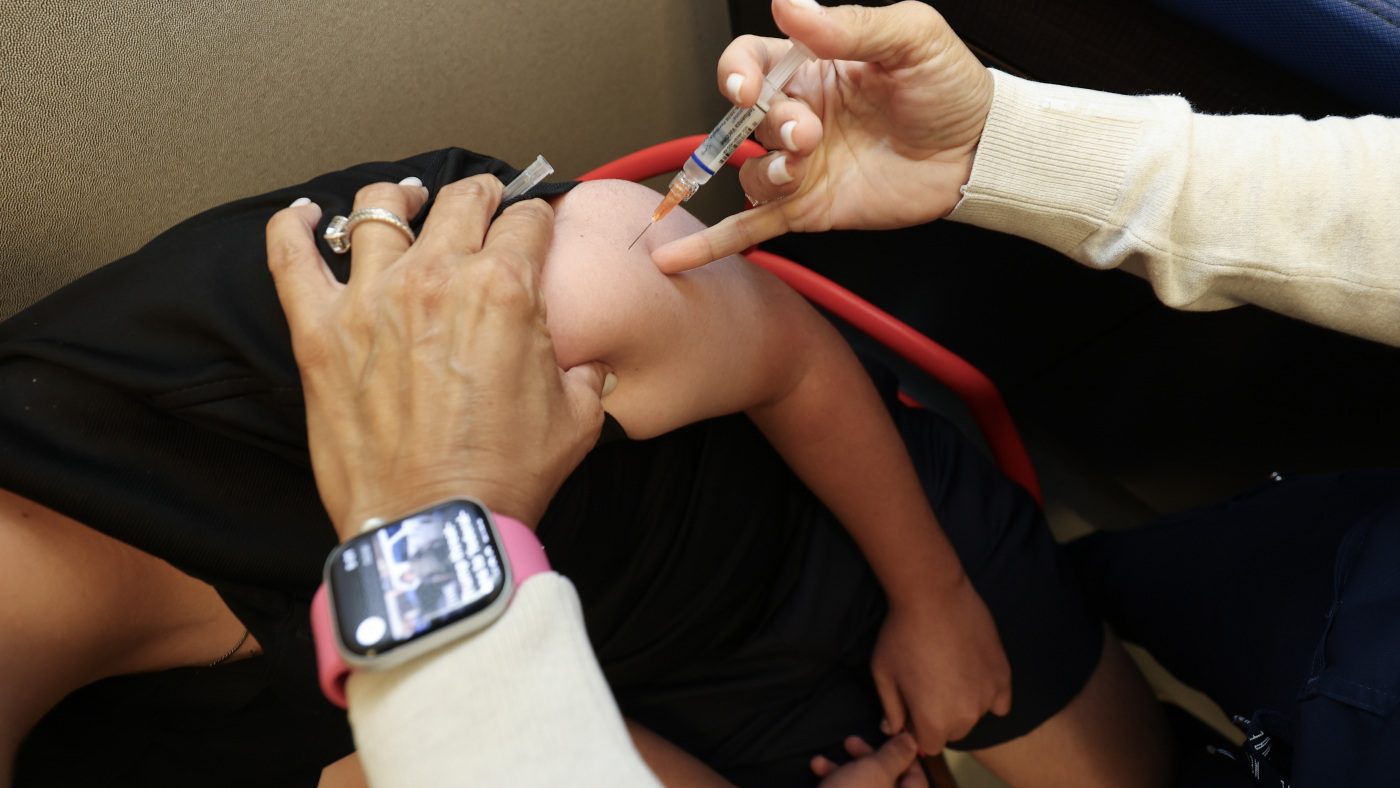
In a significant shift for U.S. public health policy, the Centers for Disease Control and Prevention (CDC) has dramatically reduced the number of vaccines routinely recommended for all children. This unprecedented overhaul sees the standard immunization schedule decrease from 17 to 11 routinely recommended vaccines.
This decision, initiated by Health Secretary Robert F. Kennedy Jr. under a presidential memorandum, directly impacts millions of families and healthcare providers. It aims to rebuild public trust by aligning the U.S. schedule with some peer developed countries.
Vaccines for rotavirus, hepatitis A and B, meningitis, and seasonal flu, previously universal, are now for high-risk groups or require “shared decision-making.” This follows a previous vote to drop the newborn hepatitis B vaccine recommendation.
The move sparks considerable debate among public health experts and political analysts, highlighting profound implications for national health strategies and the autonomy of public health institutions. Policy watchers are closely monitoring its broader impact.
Key Data
| Vaccine Type | Previous Recommendation (All Children) | New Recommendation (All Children) |
|---|---|---|
| Rotavirus | Routinely Recommended | High-Risk/Shared Decision-Making |
| Hepatitis A | Routinely Recommended | High-Risk/Shared Decision-Making |
| Hepatitis B | Routinely Recommended (Newborns) | High-Risk/Shared Decision-Making |
| Meningitis | Routinely Recommended | High-Risk/Shared Decision-Making |
| Seasonal Flu | Routinely Recommended | High-Risk/Shared Decision-Making |
| Overall Routine Vaccinations | 17 (for all children) | 11 (for all children) |
Detailed Analysis
The recent pronouncements from the Centers for Disease Control and Prevention mark a pivotal moment in American public health governance, diverging significantly from decades of established practice. Historically, the CDC, guided by its Advisory Committee on Immunization Practices (ACIP), has incrementally expanded the childhood vaccine schedule based on evolving epidemiological data and scientific consensus. This framework, built on extensive peer review and public discussion, aimed to provide robust protection against a wide array of infectious diseases. The current administration’s directive to significantly pare down these recommendations, explicitly linking it to a presidential memorandum and a comparison with ‘peer, developed countries,’ signals a broader ideological shift in how national health policy is formulated and implemented, prioritizing a different interpretation of public trust and individual consent over collective immunization strategies. This move reflects a departure from the precautionary principle that has often underpinned U.S. public health interventions.
Central to this policy overhaul is the reclassification of several key childhood vaccines from ‘routinely recommended for all children’ to either ‘high-risk’ or requiring ‘shared decision-making’ with a healthcare provider. Specific vaccines impacted include those against rotavirus, hepatitis A and B, meningitis, and seasonal flu. Health Secretary Robert F. Kennedy Jr., a long-time vocal critic of certain childhood vaccines, characterized this change as aligning the U.S. schedule with ‘international consensus’ and strengthening ‘transparency and informed consent.’ The policy was enacted following an assessment authored by Martin Kulldorf, chief science officer at an HHS unit, and Tracy Beth Høeg, acting director of the FDA’s Center for Drug Evaluation and Research, and notably circumvented the typical review process that involves formal public comment and input from vaccine manufacturers and advisory committees like ACIP. This procedural deviation has drawn sharp criticism from within the public health community, raising questions about due process and scientific rigor.
The administration’s rationale cites a perceived ‘drop in vaccine uptake of routine vaccinations for children’ and declining public confidence as justifications, suggesting a reduced schedule could rebuild trust. However, this approach contrasts sharply with prominent epidemiologists like Michael Osterholm, who labeled the decision ‘radical and dangerous,’ warning it would ‘sow further doubt and confusion among parents and put children’s lives at risk.’ The comparison to other developed nations, such as Denmark, provides context but may overlook differences in disease burden or public health infrastructure. While officials state vaccines remain free via shared clinical decision-making, the shift in official recommendation status could significantly alter parental perception and access. [Suggested Matrix Table: Comparison of Childhood Vaccine Schedules: US (Previous), US (New), Denmark, and Average of Select Peer Nations for key vaccines]
For News Readers, Policy Watchers, Informed Citizens, and Political Analysts, this development necessitates a close examination of its multifaceted implications. In the short term, parents will navigate a more complex decision-making process with their healthcare providers, potentially leading to varied immunization rates across different communities. Healthcare providers face the challenge of clearly communicating the new guidelines and facilitating informed consent. Medium-term concerns include the potential for localized outbreaks of diseases previously well-controlled, particularly if vaccine uptake significantly declines. Long-term, the reform poses questions about public health policy-making and the balance between individual autonomy and public health mandates. Key metrics to monitor include national and state-level vaccination rates and disease incidence. The administration’s plan for placebo-controlled trials, while intended to generate further data, will require ‘many, many years,’ leaving an extended period of uncertainty regarding the epidemiological impact of these policy shifts.
About the Author