Key Takeaways
Myanmar’s 2025 election uncertainty poses significant geopolitical risk. Investors should analyze implications for regional stability, emerging markets, and India’s interests.
Overview
The impending Myanmar election in 2025, set against a backdrop of severe conflict and fear, introduces significant geopolitical uncertainty for investment in Southeast Asian emerging markets. This deteriorating political landscape necessitates careful risk assessment by financial professionals and retail investors alike.
Persistent internal strife, fueled by the 2021 military coup, actively undermines democratic processes and restricts civic engagement, creating a hostile environment for stable economic activity.
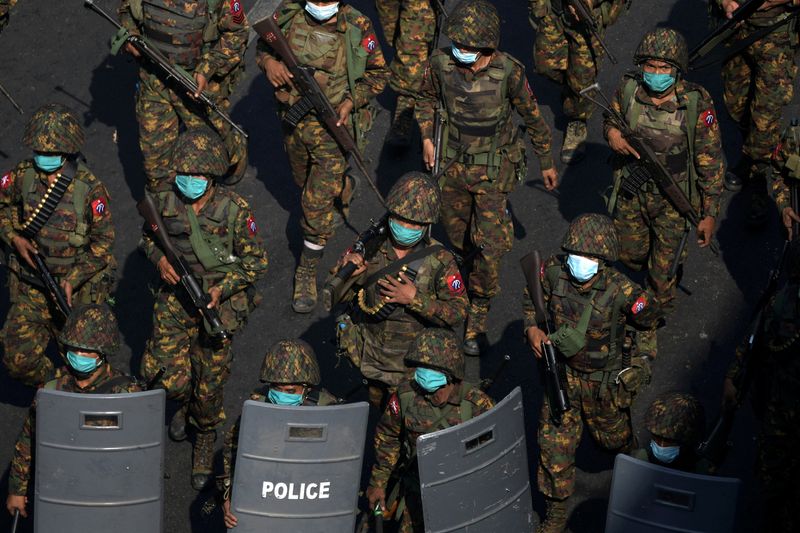
The situation highlights a severe crisis, marked by brutal civil conflict and widespread human rights abuses, directly impacting regional stability.
This analysis delves into the underlying causes and immediate implications for regional asset valuations, focusing on key indicators for financial professionals.
Detailed Analysis
Myanmar’s protracted political instability presents a complex, multi-faceted risk to regional economic prospects and investor sentiment, particularly for those monitoring Southeast Asia’s emerging markets. Historically, the nation has cycled through decades of military dominance, punctuated by brief, fragile periods of civilian rule that now seem a distant memory following the February 2021 military coup. This pivotal event dismantled the democratically elected government, igniting widespread resistance and escalating into a brutal civil conflict. This ongoing strife between the military junta and various pro-democracy forces, alongside ethnic armed organizations, casts a long shadow over the anticipated 2025 election. The continuous erosion of democratic space, marked by suppression of basic freedoms and movement restrictions, elevates the geopolitical risk premium associated with the entire region, compelling a re-evaluation of long-term investment strategies and asset allocation for finance professionals.
The immediate financial implications stem directly from the pervasive conflict and the fear it engenders. This environment severely constricts democratic activities, impacting capital allocation and market efficiency. The source details how traditional electoral campaign activities like rallies and public debates are now dangerous, leading to limited candidate emergence and severe self-censorship. From an investor’s perspective, this translates into elevated political risk, driving potential capital flight and dampening foreign direct investment prospects. Logistical challenges, including damaged infrastructure, internet shutdowns, and restricted movement in conflict zones, pose tangible operational risks for any business seeking to operate within or with Myanmar. The collective fear of repercussions for political involvement systematically undermines a legitimate electoral process, eroding investor confidence by creating an unpredictable regulatory and operational landscape. This escalating internal crisis in Myanmar demands close scrutiny, as it signals increased volatility for regional asset valuations and sovereign risk assessments for entities with exposure to the broader Southeast Asian market.
The situation in Myanmar offers critical lessons for investors by paralleling elections in other conflict-ridden states, where legitimacy and market stability are compromised. Unlike neighboring Southeast Asian democracies permitting open campaigning, Myanmar’s pre-election climate is hostile. This divergence significantly exacerbates the nation’s political risk profile against regional peers, hindering its competitive positioning for foreign capital. Previous Myanmar elections (2015, 2020) demonstrated higher public enthusiasm, starkly contrasting the civic space deterioration under the military junta and its negative impact on the investment climate. The lack of independent media and suppressed dissent undermine competitive market dynamics, rendering potential economic outcomes highly suspect. This erosion of trust fuels sustained regional political instability, a key consideration for prudent portfolio management.
For retail investors, swing traders, and long-term finance professionals, the diminished campaign energy ahead of the Myanmar election 2025 signals an enduring, high-risk environment. Ongoing political suppression suggests any election outcome will likely lack credibility, further entrenching military control and prolonging economic uncertainty. Long-term investors must reassess portfolio exposure to emerging markets, especially those with trade ties or geographical proximity to Myanmar. Swing traders face potential event-driven volatility, but overall market offers limited verifiable catalysts. Finance professionals should integrate these geopolitical factors into risk models, evaluating sovereign risk or regional sector investments with robust due diligence. Key indicators to monitor include relaxation of political assembly restrictions, improved security, and genuine commitments to fair electoral processes, crucial for any future market stability.
About the Author