Key Takeaways
Hollywood mourns James Ransone, ‘The Wire’ actor, who died by suicide at 46. Explore his iconic roles, personal struggles, and impact on pop culture.
Market Introduction
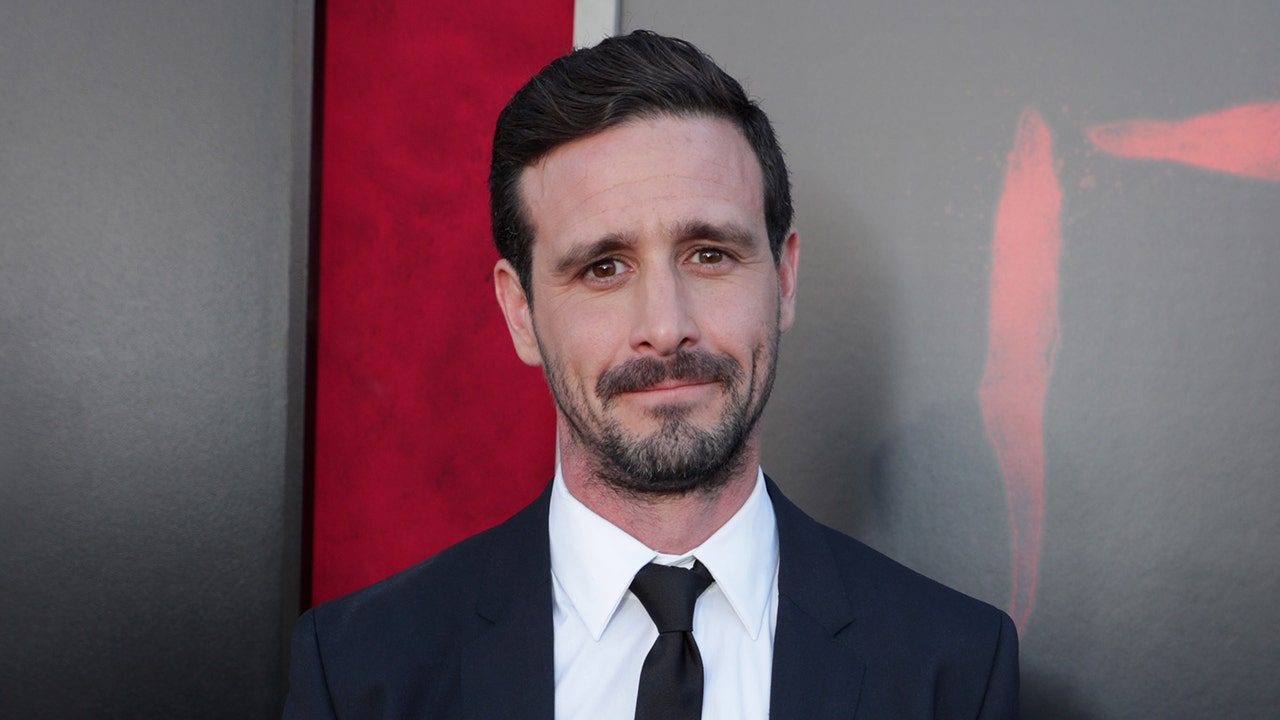
James Ransone, the acclaimed actor celebrated for his raw and unforgettable portrayal of Ziggy Sobotka in HBO’s iconic series “The Wire,” has tragically passed away. The entertainment world is reeling from the news that Ransone died by suicide on December 19 in Los Angeles at the age of 46.
This heartbreaking development sends a profound shockwave through Hollywood and among legions of fans, underscoring the often-unseen struggles faced by beloved figures in the pop culture spotlight. His distinctive talent graced numerous projects, leaving an indelible mark on audiences who admired his powerful performances.
Reports from the Los Angeles County Medical Examiner detailed Ransone’s cause of death as “hanging” and his place of death as “shed.” The actor had previously spoken candidly about overcoming addiction, achieving sobriety at 27 after a five-year battle with heroin, and bravely disclosing past allegations of childhood sexual abuse in 2021.
As we navigate this somber moment for entertainment enthusiasts, this article delves into James Ransone’s impactful career, the personal battles he faced, and the broader dialogue his life and tragic death initiate within the industry and among the global fan community.
In-Depth Analysis
James Ransone carved a unique niche in the competitive landscape of Hollywood, his performances often characterized by a raw intensity and authenticity that captivated viewers. While many remember him most vividly as the troubled Ziggy Sobotka in “The Wire,” a role that explored the darker underbelly of Baltimore’s waterfront and earned him critical recognition, his career extended far beyond that breakout performance. He brought a similar gritty realism to his role as Corporal Josh Ray Person in HBO’s “Generation Kill,” further cementing his reputation as an actor unafraid to tackle complex, often morally ambiguous characters. Fans of horror will also recall his significant presence in “It: Chapter 2,” showcasing his versatility across genres.
His ability to disappear into roles, making even the most challenging characters feel deeply human, resonated with audiences and critics alike. Ransone’s filmography, which also included appearances in “CSI: Crime Scene Investigation,” “Hawaii Five-0,” “Treme,” and most recently, a Season 2 episode of “Poker Face,” painted a picture of a consistent working actor who elevated every project he touched. The industry’s admiration for his craft was palpable, often highlighting his commitment to portraying nuanced emotional depth, making his sudden departure a profound loss for cinematic and television storytelling.
The circumstances surrounding James Ransone’s death, confirmed by the Los Angeles County Medical Examiner as suicide on December 19, reveal a tragic intersection of personal battles that he had openly shared. The actor was remarkably candid about his past struggles with addiction, a journey that led him to sobriety at the age of 27 after battling heroin dependency for half a decade. This honesty offered a rare glimpse into the pressures and vulnerabilities that can often accompany a life in the public eye. Furthermore, in 2021, Ransone reportedly used his platform to share deeply personal allegations of childhood sexual abuse, connecting these traumatic experiences to subsequent years of substance abuse and mental health challenges.
These disclosures, while painful, highlighted a crucial conversation about mental health and the long-term impact of trauma, issues that are increasingly gaining attention within the Hollywood community and pop culture discussions. The details provided by the medical examiner, though stark, confirm the immediate facts of his passing. Ransone’s willingness to speak about his demons, even as he continued to pursue a demanding acting career, positioned him as a quiet advocate for awareness, prompting fans and industry insiders to reflect on the unseen burdens carried by public figures.
Ransone’s journey and his ultimate tragedy draw poignant parallels with a broader trend of mental health awareness and the ongoing fight against addiction within the entertainment industry. While specific data on celebrity suicides isn’t always readily available or comparable across different eras, his story resonates with a growing number of public figures who have bravely shared their struggles, from musicians to movie stars. This openness, often amplified through social media and industry campaigns, aims to destigmatize mental health issues and addiction, encouraging fans and fellow artists to seek help without shame. Ransone’s candidness about his sobriety and alleged past trauma aligns with a societal shift towards greater empathy and understanding, moving beyond mere tabloid sensationalism to address the systemic pressures faced by those in the spotlight.
The dialogue Ransone fostered about the long-lasting effects of trauma and the relentless grip of addiction serves as a stark reminder of the human cost behind the glamorous facade of Hollywood. His experiences, tragically culminating in his death, underscore the urgent need for robust mental health support systems within the entertainment ecosystem. [Suggested Matrix Table: Comparison of notable celebrity mental health advocacy, showing celebrity, issue addressed, and public disclosure year for broader context, if data were available.] This tragic event emphasizes the importance of continued vigilance and support for creative individuals who often pour their personal pain into their art.
For entertainment enthusiasts, pop culture fans, and movie lovers, James Ransone’s passing is more than just a headline; it’s a somber reflection on the human stories behind the characters we cherish. His legacy will undoubtedly live on through his memorable performances, from the tormented Ziggy to the brave Corporal Person, reminding us of his unique talent and the complex individuals he portrayed. This event serves as a powerful, albeit heartbreaking, call to action: to foster environments where mental health is openly discussed and support is readily accessible. We’re reminded that our favorite stars, despite their on-screen resilience, face very real, very human struggles.
As the industry mourns, it’s a moment for collective introspection on how we support our artists and engage with these sensitive topics. Fans can honor Ransone’s memory by advocating for mental health awareness and supporting organizations dedicated to addiction recovery and trauma support. His life and career, marked by both brilliance and profound personal challenge, leave a lasting impact, prompting us to look beyond the performances and remember the person. The dialogue around mental well-being in Hollywood is crucial, and Ransone’s story, sadly, now becomes a part of that vital conversation. If you or someone you know is struggling, resources are available to help.
About the Author