Key Takeaways
A tragic boat capsizes off Gambia, killing seven and leaving dozens missing. Understand the perilous journey to the Canary Islands and the ongoing migrant crisis.
Overview
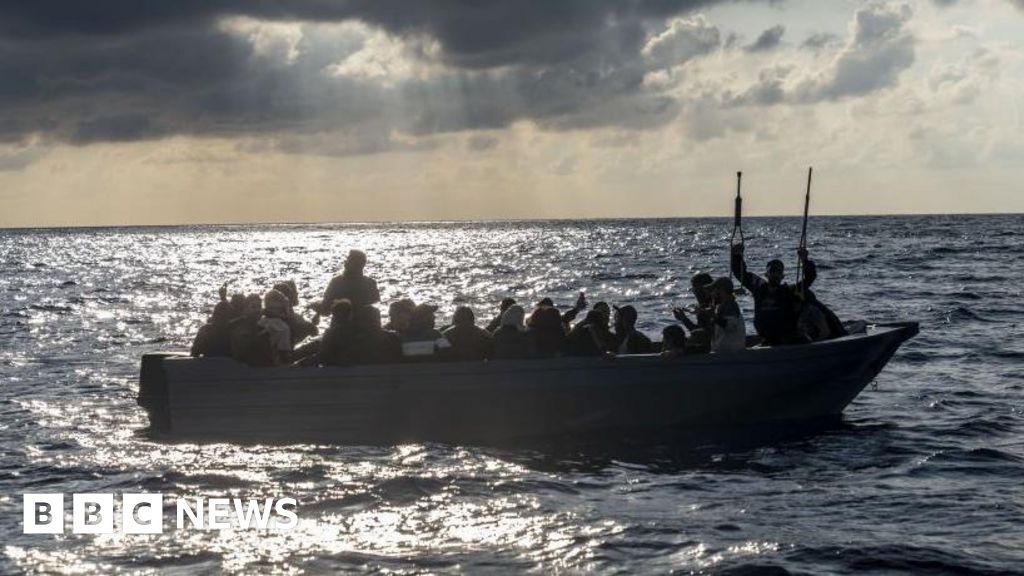
A tragic maritime disaster off the coast of The Gambia has resulted in at least seven confirmed deaths and left many others missing after a boat carrying approximately 200 migrants capsized. The vessel was attempting the perilous journey towards Europe, specifically Spain’s Canary Islands, highlighting a growing humanitarian crisis in the region.
This incident underscores the extreme risks taken by individuals seeking a better life and the complex challenges faced by authorities in managing irregular migration. For general readers and news consumers, it brings into sharp focus the human cost of these desperate voyages, a recurring theme in current affairs today.
Authorities have so far rescued 96 people, with search operations continuing for the remaining passengers. Ten of those rescued are reported to be in critical condition, receiving urgent medical care.
The unfolding situation demands immediate attention, prompting ongoing search and rescue efforts, while also drawing scrutiny to the broader context of African migration routes and international policies.
Detailed Analysis
The recent boat capsizing near Jinack village in The Gambia marks another grim chapter in the escalating migrant crisis along the Atlantic route. This incident is not an isolated event but rather a stark reminder of the desperate measures individuals from West Africa undertake to reach Europe. The journey, often spanning over 1,500 kilometers across the unforgiving Atlantic Ocean, has become increasingly common despite its inherent dangers. The overarching context reveals that as European Union agreements aim to reduce irregular migration through North Africa, migrants are inadvertently pushed towards longer, more treacherous sea passages, transforming regions like The Gambia into launchpads for these risky voyages. This shift highlights a complex interplay between policy, geography, and human resolve, deeply impacting India News and Current Affairs discussions on global humanitarian challenges.
Detailed reports from The Gambia’s defence ministry indicate that the vessel, carrying around 200 migrants, overturned on Wednesday midnight before being found “grounded on a sandbank.” The Gambian Navy swiftly launched a comprehensive search-and-rescue operation, involving multiple naval vessels and even a local fishing boat. Of the estimated 200 people on board, 96 have been successfully rescued, though ten are in critical condition, underscoring the severity of their ordeal. Seven bodies have been recovered, and authorities are working to verify the identities and nationalities of the victims, noting that several are not Gambian nationals. While the specific type of boat was not disclosed, these vessels are typically overcrowded, large wooden canoes fundamentally unsuited for such an arduous oceanic journey.
This recent tragedy adds to a distressing trend that has seen nearly 47,000 people successfully reach the Canary Islands in 2024. However, this number comes at a devastating cost, with the Spanish non-government organisation Caminando Fronteras estimating more than 9,000 migrants have perished attempting the crossing in the same period. This stark comparison between arrivals and fatalities underscores the extreme perils of the Atlantic route. The current capsizing, while a single event, reflects a magnified human cost within this broader, alarming pattern, exacerbated by European migration policies that have inadvertently rerouted desperate individuals towards more dangerous paths. The incident thus stands as a poignant illustration of the high-stakes gamble migrants are forced to take.
For general readers and news consumers, this incident is a powerful reminder of the global migrant crisis’s profound human dimension, moving beyond mere statistics to touch upon individual lives and profound suffering. It highlights the urgent need for international cooperation not only in rescue efforts but also in addressing the root causes of migration and ensuring safe, legal pathways. Monitoring the ongoing search efforts, the recovery of missing individuals, and the medical condition of those rescued remains crucial. Furthermore, the incident places renewed pressure on policymakers to re-evaluate the implications of current migration strategies, emphasizing that solutions must balance national security with humanitarian imperatives in these Today Updates.
About the Author