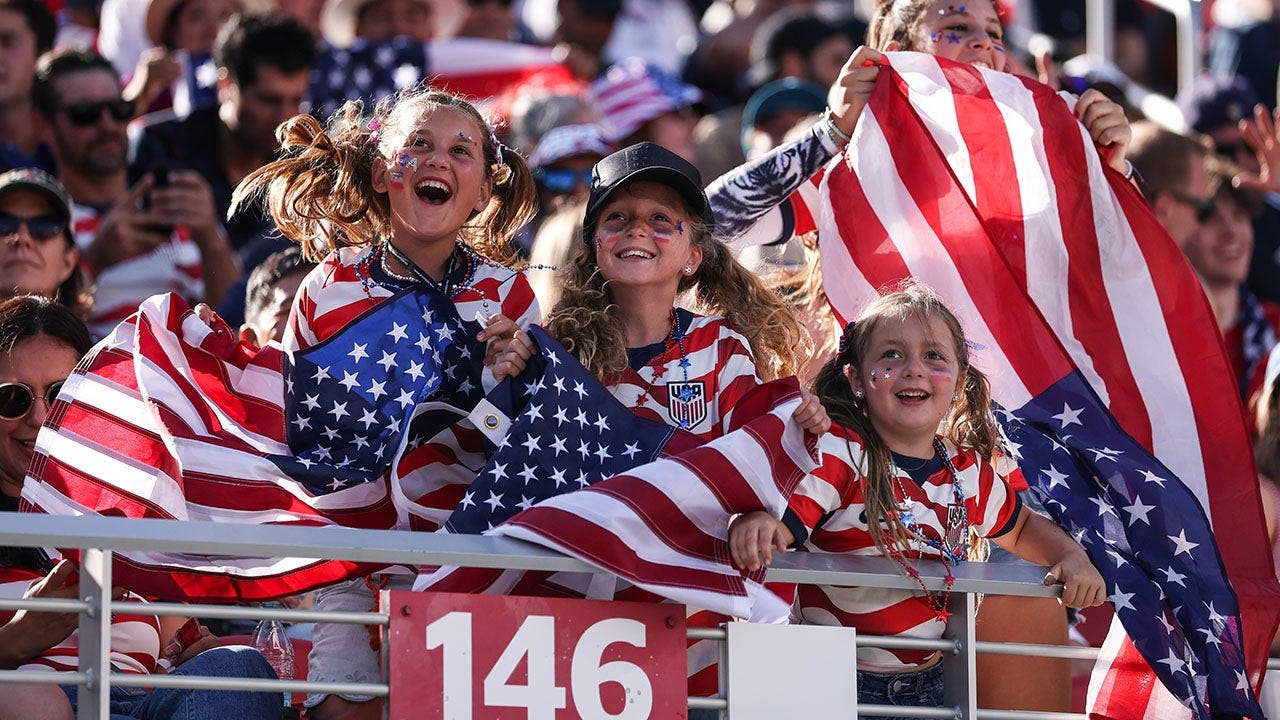
World Cup wrap-up
Gerry Baker hosts a panel discussion about the 2026 FIFA World Cup and its influence on American soft power. Jason Riley expresses skepticism about soccer’s long-term popularity in the US, while Joseph Sternberg and Kim Strassel highlight how international visitors experienced American hospitality and daily life firsthand. The panelists debate whether the World Cup significantly boosted the country’s global image.
NEWYou can now listen to Fox News articles!
Some of the most wholesome stories on the internet lately haven’t come from celebrities or influencers. They’ve come from people visiting America for the first time because of the World Cup.
Take Sebastian, for example. Sebastian is a German soccer fan who flew to the United States initially apprehensive.
Like so many people overseas, he’d spent years consuming headlines portraying America as a country overrun by crime, division and chaos. Before he even stepped off the plane, he was worried about his safety.
Sebastian watched Germany play Paraguay in Boston. After the game, he found himself stranded without a way back to his hotel. That’s when he met a man named Bob.
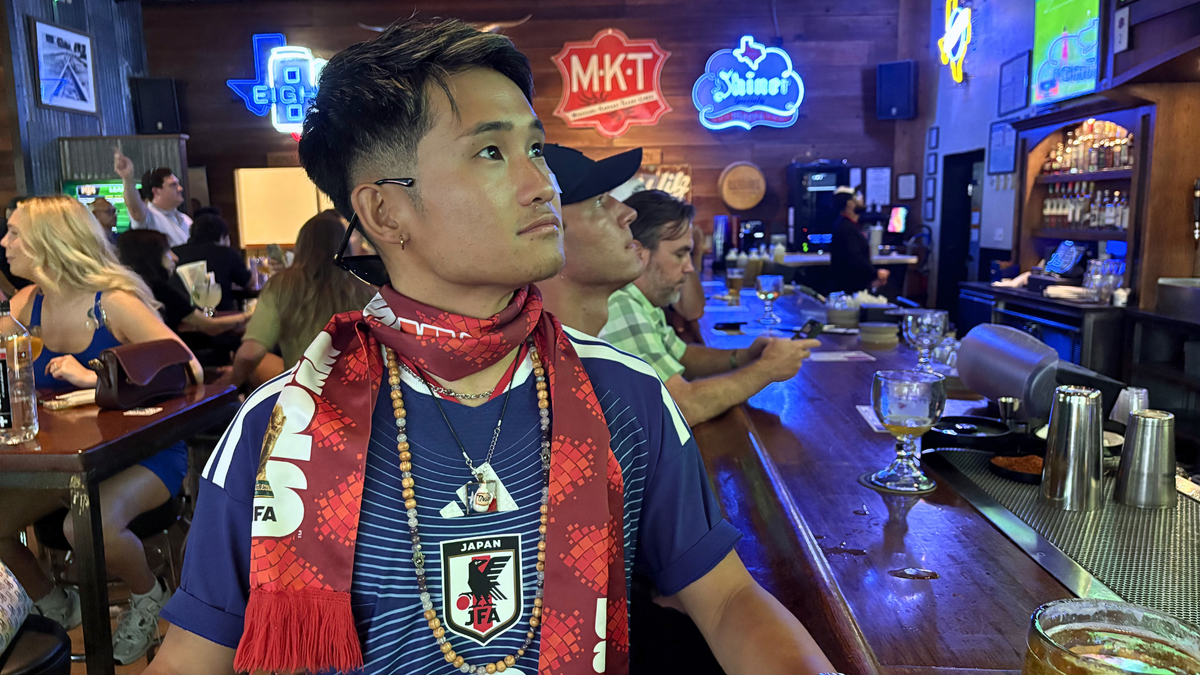
Bob, a Japanese exploring America during the World Cup, became a social media sensation for his high-energy videos experiencing different facets of the United States during his first time travels across the nation. (Elizabeth Heckman)
VIRAL GERMAN SOCCER FAN FREDDY INVITED FOR WHITE HOUSE VISIT AS FAIRY-TALE TRIP ACROSS AMERICA CONTINUES
Bob didn’t know Sebastian from Adam. He didn’t ask about politics. He didn’t care where he was from. He saw a man in need and didn’t think twice about helping out by giving him a ride back to his hotel.
In a video that’s now been viewed millions of times, Sebastian fought back tears while describing the kindness he experienced from Bob. He admitted he was more upset about leaving America than he was about Germany being eliminated from the World Cup.
Full honesty? I can think of plenty of Americans I’d trade for Sebastian.
With only the championship match remaining, social media has been flooded with videos from international visitors documenting what they’ve found here. They rave about the hospitality of ordinary Americans. They marvel at our diversity, our national parks, our food, our culture, and yes, even our patriotism.
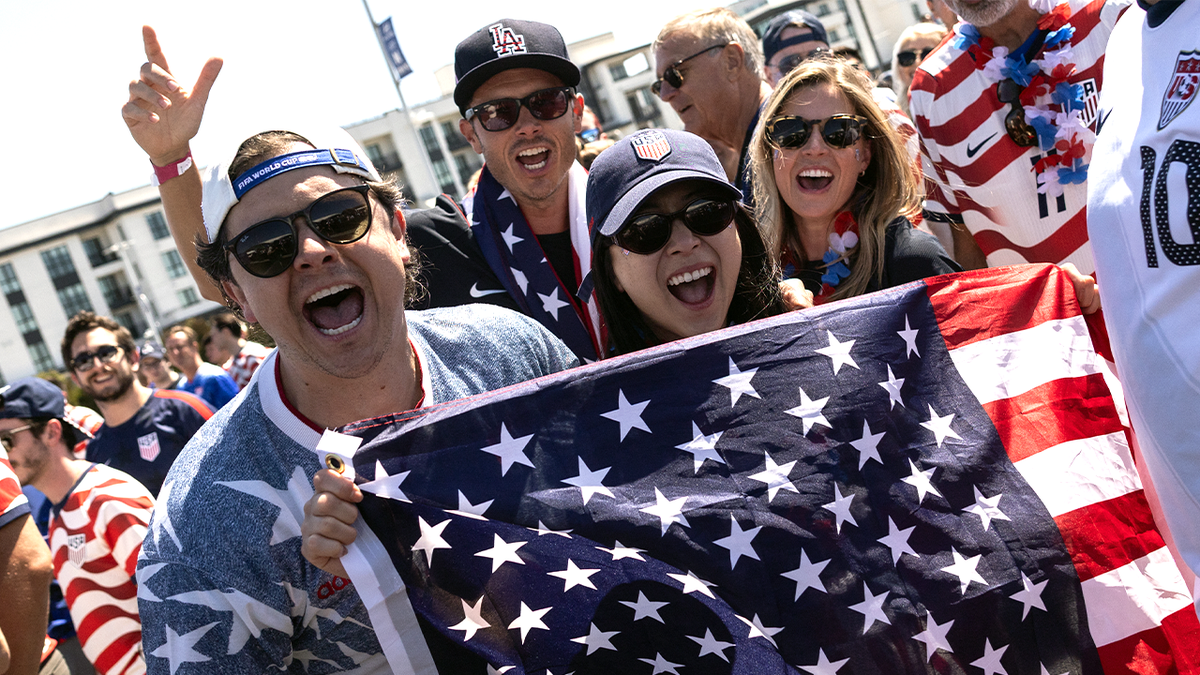
Team USA fans were out in full force to see the US Men’s National Team play World Cup soccer on US soil for the first time in 32 years. (Photo by ETIENNE LAURENT / AFP))
BILL MAHER LAUDS FOREIGN VISITORS AT WORLD CUP: ‘THEY ARE REMINDING AMERICANS THIS PLACE IS KIND OF AWESOME’
They’ve danced in the streets with complete strangers after matches. They’ve sung “Take Me Home, Country Roads” shoulder-to-shoulder with thousands of Americans they’d never met. They’ve stood speechless overlooking the Grand Canyon. They’ve tried real American barbecue for the first time. They’ve talked about feeling welcomed in cities they were told to fear.
Watching these videos, I kept asking myself one question: Why do people from halfway around the world seem to appreciate America more than so many Americans do? Maybe it’s because they haven’t spent years being told to hate it.
For decades, we’ve been fed a version of America that focuses almost exclusively on what’s broken. Turn on the news and you’d think our streets are constantly on fire, neighbors hate one another, and every conversation ends in a political screaming match. That’s simply not how most Americans actually live.
SPEAKER JOHNSON WARNS STUDENTS ARE ‘INDOCTRINATED’ TO SEE US THROUGH ‘WRONG LENSES’ AS NATION CELEBRATES 250TH
The unfortunate reality is outrage sells. Fear gets clicks and conflict gets ratings. Good news rarely goes viral because it’s harder to monetize content that leaves people feeling hopeful.
If you consume outrage all day, eventually you become outraged. If every headline tells you your country is falling apart, eventually you start believing it.
The same anti-American propaganda is being pushed in our education system. Teachers, professors, and other educators are quick to teach students about America’s failures while hardly covering its successes. Kids learn at a young age that America is filled with colonizers and oppressors, and are left feeling shameful and guilty for their heritage or their skin color.
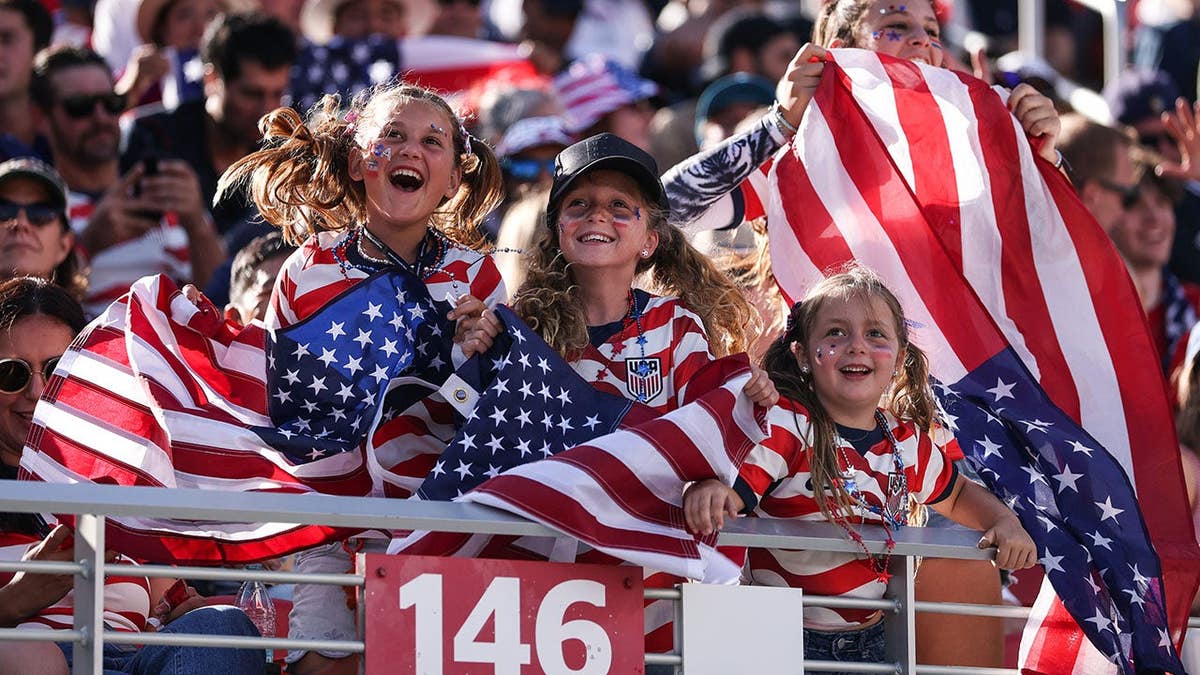
Fans of the United States celebrate during the FIFA World Cup 2026 Round Of 32 match between USA and Bosnia and Herzegovina at San Francisco Bay Area Stadium on July 1, 2026 in Santa Clara, California. (Alex Pantling – FIFA/FIFA via Getty Images)
For clarity, I’m not saying we shouldn’t teach students about slavery, segregation, Japanese internment, and every other dark chapter of our history. Pretending those things never happened serves no one. But that’s not the whole story.
We also abolished slavery. We defeated fascism. We landed on the moon. We built the most innovative economy the world has ever seen. Millions of people have willingly left everything behind for the chance to achieve the American dream. That doesn’t happen by accident.
Loving your country doesn’t require believing it’s perfect. It requires recognizing that, despite its flaws, it’s worth protecting and improving. Ironically, it took millions of foreign soccer fans to remind many Americans of that.
Sports have always had a way of cutting through the noise. Anyone who’s ever played on a team or even sat in the stands knows it. It’s the one place where identities and feelings don’t matter — well, at least they shouldn’t.

Norway fans perform the Viking row in Times Square, New York, ahead of the FIFA World Cup 2026 Group I match against Senegal on June 21, 2026. (John Sibley/Reuters)
Nobody cares what color your skin is when you score the game-winning goal. Nobody asks whether you’re Catholic, Baptist, Jewish, Muslim, or only show up to church on Christmas and Easter. Nobody pauses to ask who you voted for before celebrating a touchdown or lifting a trophy. The only things that matter are your ability level and your dedication to winning.
Fans aren’t much different. For ninety minutes, thousands of complete strangers become one team. They cheer together, celebrate together, and sometimes even cry together. That’s the kind of unity we’ve been told is impossible, yet it happens every single weekend in stadiums across America.
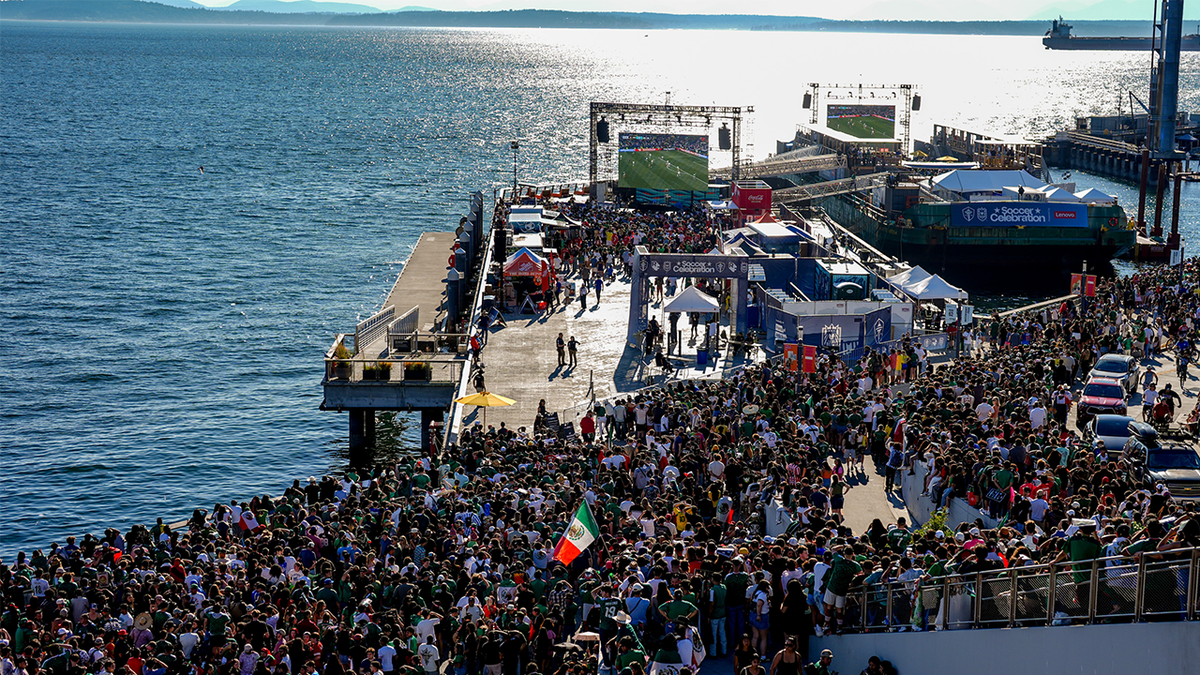
Fans gather at designated FIFA World Cup fan zones in downtown Seattle to watch 2026 FIFA World Cup matches on giant screens on July 6, 2026. (Ercin Erturk/Anadolu via Getty Images)
CLICK HERE TO DOWNLOAD THE FOX NEWS APP
Sports remind us of something we’ve forgotten in almost every other part of American life: We have a lot more in common than the people and institutions making money off our division would like us to believe.
The World Cup didn’t magically make America kinder. It just gave the rest of the world an excuse to see the America that has always existed beneath the click-bait headlines. The America where someone like Bob helps a stranded stranger because it’s the right thing to do. It’s the same America that millions of visitors are now discovering isn’t the caricature they’ve been sold.
My biggest takeaway from this World Cup isn’t about soccer at all. Maybe it’s that America looks a whole lot better when you experience it yourself instead of letting someone else tell you what to think about it. Most Americans could stand to remember that too.
CLICK HERE FOR MORE FROM RILEY GAINES
Source: https://www.foxnews.com/opinion/riley-gaines-world-cup-visitors-reminding-americans-what-makes-country-great
About the Author