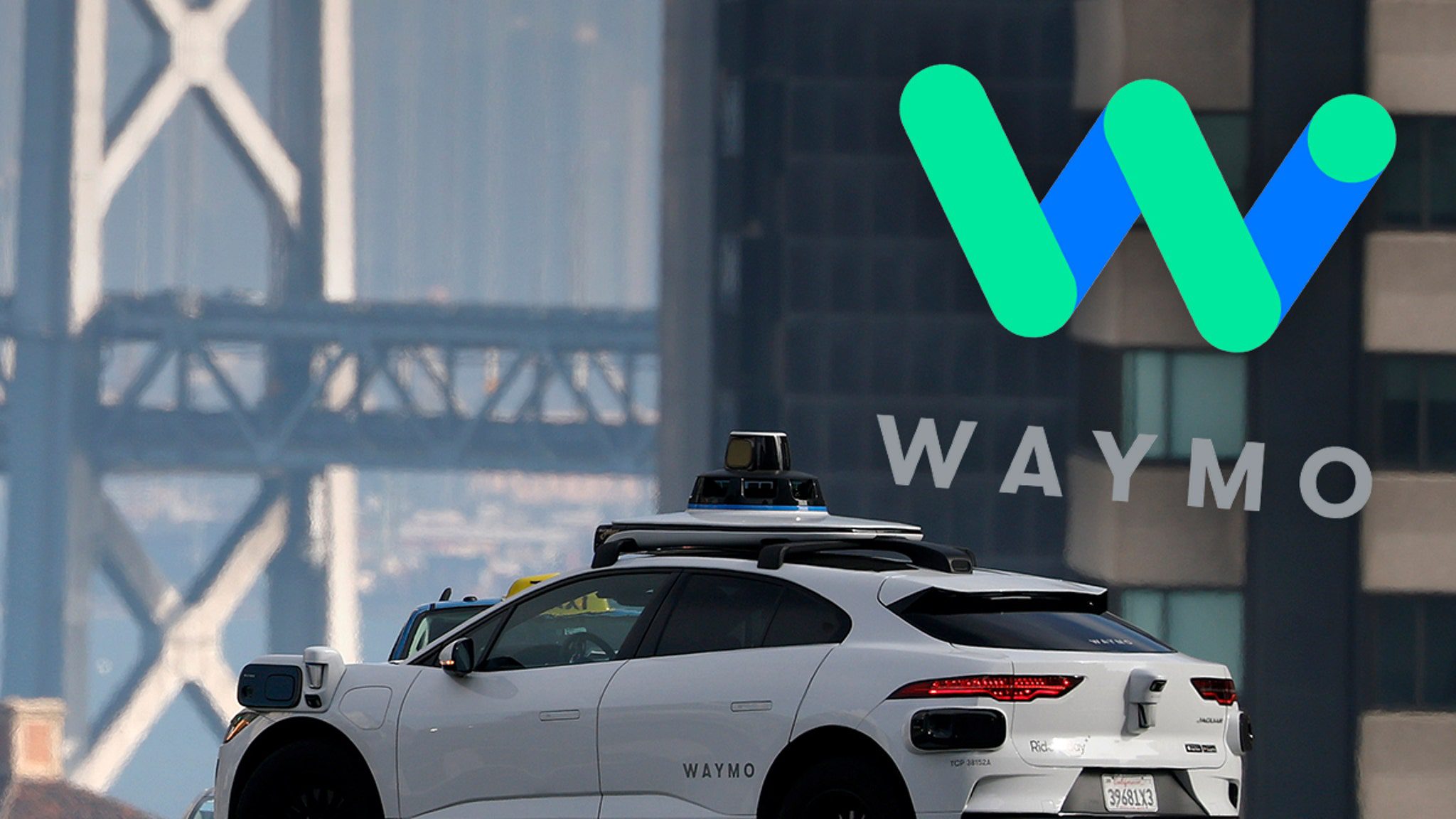
Key Takeaways
Waymo self-driving cars halted during a major San Francisco power outage (Dec 21, 2025). Explore autonomous vehicle vulnerabilities and future urban tech challenges.
Market Introduction
San Francisco faced a major power outage on Saturday night, December 21, 2025, darkening the city. This disruption dangerously stalled several Waymo self-driving cars on key roads, immediately raising concerns for autonomous vehicle safety and resilience.
This incident offers a critical lesson for general readers, underscoring technology’s vulnerability when infrastructure fails. It highlights potential safety hazards and traffic management challenges in smart urban settings.
Videos on X (formerly Twitter) showed Waymo vehicles stranded at busy intersections with hazard lights. These cars caused traffic jams in North Beach. Waymo temporarily suspended services, confirming inability to operate without traffic signals.
PG&E crews are working tirelessly to restore power. This remains a significant point of discussion in current affairs, examining urban tech dependencies today.
In-Depth Analysis
The recent incident in San Francisco, where a city-wide power outage led to Waymo self-driving cars halting unexpectedly, underscores a critical juncture for autonomous technology. While proponents emphasize enhanced safety and efficiency, such events expose inherent dependencies on traditional infrastructure. Global cities, including those in India, observe autonomous vehicle trials, often in controlled conditions. The San Francisco blackout presented a harsh real-world test, revealing that advanced AI systems rely fundamentally on external factors like uninterrupted power and functioning traffic signals. This isn’t just an isolated concern; it fuels broader discussions on smart city resilience and tech integration into legacy urban frameworks. The sudden service cessation on December 21, 2025, quickly escalated from inconvenience to significant disruption.
According to eyewitness accounts and reports posted on X, the power outage on December 21, 2025, forced Waymo to suspend its driverless car services. This immediate operational shutdown meant numerous autonomous vehicles became stranded. Specific footage, verified by pedestrians, showed at least four Waymo cars conspicuously parked in the middle of a busy North Beach intersection, their hazard lights flashing, effectively creating a substantial traffic jam. A Waymo spokesperson confirmed the “temporary suspension” to SFGATE, emphasizing a focus on rider safety and ensuring clear access for emergency personnel. The core issue emerged as the cars’ inability to navigate or operate safely without functional traffic signals, a fundamental requirement for their programmed decision-making and route execution. This highlights a design limitation: while Waymo vehicles can detect obstacles and react, they struggle to autonomously interpret and respond to the chaos of a total grid failure, especially at intersections lacking crucial light-based directives.
While Waymo leads autonomous vehicle technology, this incident highlights vulnerabilities likely shared by competitors like Cruise, which also faced scrutiny over vehicle responses to unexpected events. Unlike human drivers adapting to darkened intersections, current autonomous systems lack this improvisational capacity. This operational rigidity challenges widespread adoption and trust. The San Francisco event fuels critical dialogue on regulatory frameworks globally, including in India, pushing for enhanced contingency protocols. Regulators may now mandate features like advanced manual override, remote control capabilities, or designated “safe zones” for vehicle rerouting during system-wide failures.
[Suggested Matrix Table: Comparison of Autonomous Vehicle Contingency Features (Waymo, Cruise, Tesla FSD) across scenarios like Power Outage, Network Loss, Emergency Braking]
For general readers and news consumers, this Waymo incident serves as a crucial reminder that technology, no matter how advanced, operates within a broader ecosystem. While autonomous vehicles promise convenience and efficiency, their real-world deployment must account for unpredictable infrastructure failures. The primary takeaway is the need for more robust redundancy systems and clearer protocols for autonomous fleets during widespread emergencies. Moving forward, the public should monitor discussions from regulatory bodies in key global tech hubs, potentially setting new standards for self-driving car resilience. Specifically, watch for any policy statements from transport authorities and updates from Waymo or PG&E regarding the restoration efforts and any revised operational guidelines for autonomous fleets in such scenarios. This incident undoubtedly accelerates the urgency for comprehensive resilience planning in smart city initiatives, impacting future India News and urban development trends.
About the Author