Key Takeaways
Victoria’s bushfires destroy 100+ buildings, 300K hectares. Analyze economic impact on sectors, insurance, and long-term investment outlook for 2026.
Overview
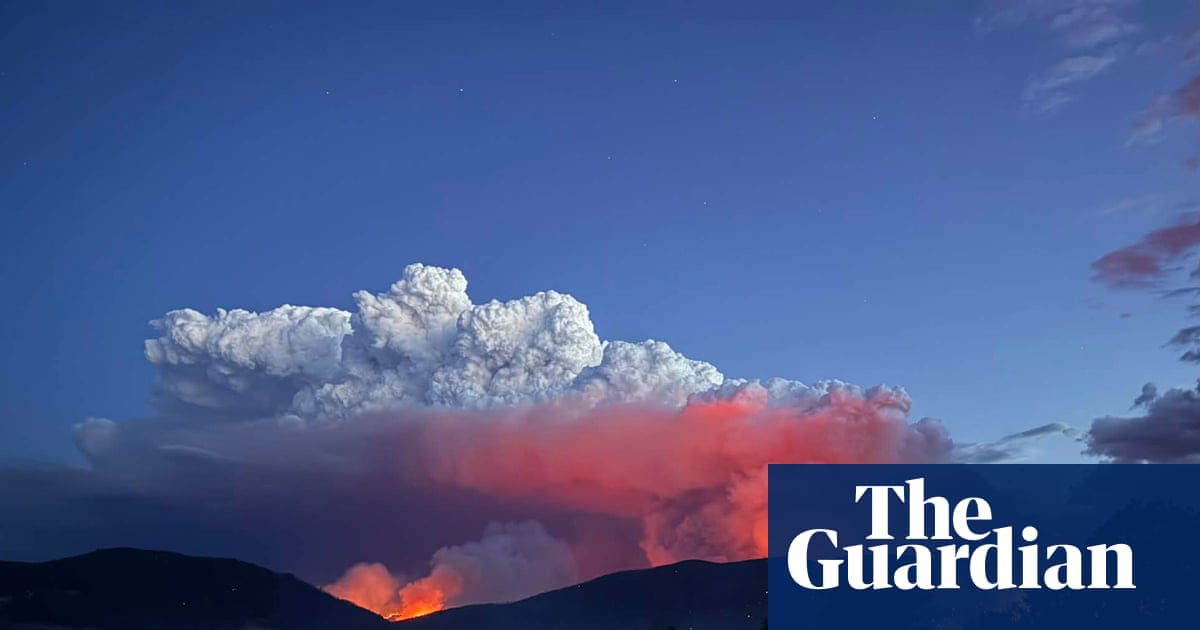
The devastating Victoria bushfires have inflicted substantial economic damage, with over 100 buildings destroyed and 300,000 hectares of land scorched, posing significant challenges and shifts for key sectors. This unprecedented scale of disaster in early 2026 prompts a critical financial analysis for investors monitoring market stability and recovery prospects in Australia.
Retail investors and finance professionals must assess the direct impact on local businesses and broader industry segments, from agriculture and forestry to insurance and infrastructure. The events could trigger volatility, influencing investment decisions across the Australian equities market.
Key reported damages include 119 structures lost, 10,000 hectares of pine plantations consumed, and 38,000 homes and businesses experiencing power outages, alongside critical infrastructure damage to the Bendigo railway line.
This analysis delves into the short-term market reactions, medium-term sector impacts, and long-term investment implications stemming from these extensive Victoria bushfires.
Key Data
| Economic Impact Metric | Reported Value | Affected Sector(s) |
|---|---|---|
| Structures Destroyed | 119 | Residential, Commercial, Tourism |
| Hectares Burned (Bushland) | 300,000 | Environment, Agriculture, Forestry |
| Pine Plantations Lost | 10,000 | Forestry, Timber Industry |
| Homes/Businesses Without Power | 38,000 | Utilities, Local Economy |
| Infrastructure Damage | Bendigo railway line | Transportation, Logistics |
| Agricultural Losses | Significant | Livestock, Cropping, Vineyards |
Detailed Analysis
The severe bushfires sweeping across Victoria in early 2026 represent a critical economic disruption, far exceeding the impact of previous fire seasons in 2009 and 2019, according to emergency management commissioner Tim Wiebusch. This widespread destruction extends beyond immediate environmental concerns to pose significant financial ramifications for multiple sectors. The declaration of a state of disaster across 18 local government areas and the Lake Mountain Alpine Resort underscores the gravity of the situation, signaling extensive resource mobilization and potential long-term recovery efforts that will influence regional and national economic performance. Such catastrophic events necessitate an immediate reassessment of risk and opportunity by finance professionals and investors, particularly those with exposure to Australian markets, as the long tail of recovery costs begins to unfold.
Direct financial impacts are substantial and immediately quantifiable from the reported damages. Over 119 structures have been destroyed, including at least 50 homes in Ravenswood and Harcourt, 30 in Longwood, 20 in Natimuk, 10 in Yarrowee, and five in Streatham. This widespread residential and commercial property loss indicates significant insurance claims and a subsequent surge in demand for construction and rebuilding services. Furthermore, the agricultural sector faces immediate losses, with reports of significant damage to livestock, cropping land, and vineyards, particularly around the Longwood fire. The forestry industry is also hit hard, with 10,000 hectares of valuable pine plantations near Walwa obliterated. Infrastructure, a cornerstone of economic activity, suffered a direct blow with the closure of the Bendigo railway line due to fire damage, disrupting logistics and trade. Moreover, 38,000 homes and businesses are without power, highlighting the vulnerability of utility networks and the economic cost of business interruption.
Comparing the current crisis to past events, emergency officials noted conditions were “unlike what we’ve seen in 2009 and 2019,” implying a potentially higher economic burden. The sheer scale of 300,000 hectares burned, coupled with extensive structural and agricultural losses, suggests a multi-billion dollar recovery effort. The deployment of additional firefighters and resources from New South Wales, South Australia, and even international levels indicates the national significance and strain on public funds. Insurance companies, such as IAG or Suncorp, operating in the Australian market will face increased claims, potentially impacting their profitability and future premium structures. Construction material suppliers and labor markets in Victoria are likely to see a spike in demand for rebuilding efforts. Conversely, sectors like tourism in affected regions may experience a downturn. The Commonwealth and state governments have activated personal hardship payments, providing a short-term stimulus to affected communities, but the total economic recovery will be a prolonged process.
For retail investors and finance professionals, these Victoria bushfires present both risks and opportunities. Swing traders may observe short-term volatility in stocks tied to insurance, construction materials, and utilities, potentially identifying entry or exit points based on news flow and government recovery announcements. Long-term investors should evaluate the resilience of companies with significant assets or operations in affected regions. The agricultural sector, including food producers and suppliers, may experience supply chain disruptions leading to price fluctuations in commodities. Utilities will likely face significant capital expenditure for network repair and hardening against future climate events. Monitoring government relief packages, which will funnel funds into reconstruction, and quarterly earnings reports from insurance and construction firms will be crucial. This event also underscores the growing importance of assessing environmental, social, and governance (ESG) factors, particularly climate change risks, when evaluating long-term investment viability in vulnerable regions.
About the Author