Key Takeaways
Venezuelan oil tankers return amid US seizures, sparking new global supply discussions. Analyze geopolitical risks, energy sector impact, and investment strategies for 2026.
Overview
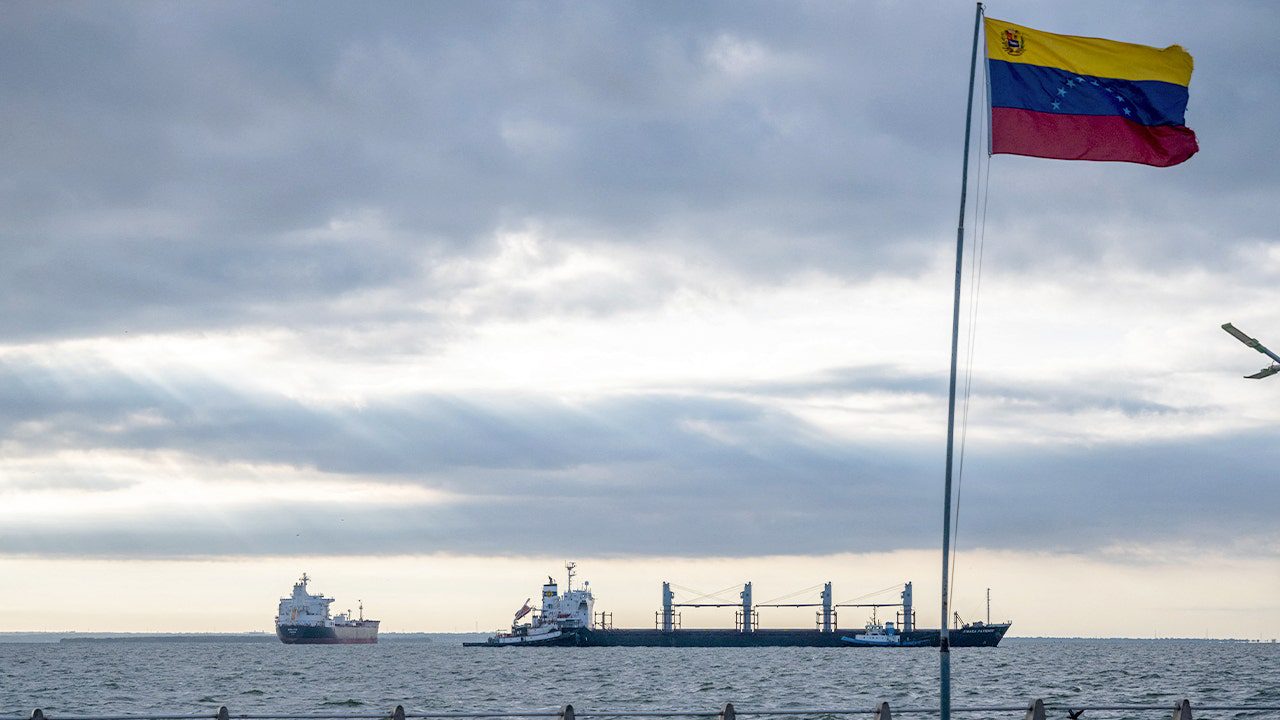
Recent geopolitical developments surrounding Venezuelan oil supply are reshaping the global energy landscape, demanding careful consideration from investors. Four tankers, operating in “dark mode,” have reportedly returned to Venezuelan waters after a series of U.S. seizures, coinciding with the Trump administration’s aggressive push to acquire the nation’s crude.
This intricate situation carries significant implications for Retail Investors, Swing Traders, Long-term Investors, and Finance Professionals, influencing global crude oil prices, supply chain stability, and investment opportunities within the energy sector. Understanding these dynamics is crucial for informed financial analysis.
Reports from Reuters and TankerTrackers.com confirm the return of these vessels, while a key tanker, the Olina, previously seized by U.S. forces, was subsequently released to Venezuela on Friday. President Trump hosted numerous oil executives to discuss new investment prospects in Venezuela, promising “total security” post-Maduro.
This article delves into the immediate and long-term financial ramifications, assessing the risks and opportunities for Indian and global markets amid evolving U.S. foreign policy and energy strategies.
Detailed Analysis
The complex interplay between geopolitical strategy and global energy markets has once again taken center stage, with Venezuela’s oil reserves becoming a focal point. Historically, U.S. sanctions have significantly restricted Venezuela’s ability to export crude, leading to tactics like vessels operating in “dark mode” to evade monitoring. The recent return of four such tankers, mostly loaded, highlights the persistent efforts by Petróleos de Venezuela (PDVSA) to maintain its oil exports despite an ongoing U.S. blockade in place since mid-December 2025. This situation underscores the enduring pressure on Venezuelan oil supply, a critical factor for global energy pricing and the profitability of energy companies.
Detailed analysis of recent events reveals a dynamic operational environment. The U.S. interception of vessels like the Panamanian-flagged supertanker M Sophia and the Olina, flying the flag of Sao Tome And Principe, demonstrates active enforcement of sanctions. Notably, the Olina, previously sanctioned for transporting Russian oil, was released back to Venezuela after being seized in a pre-dawn mission by U.S. Southern Command forces. This swift action by the U.S. military, backed by naval assets like the USS Iwo Jima, USS San Antonio, and USS Fort Lauderdale, underscores the robust enforcement posture. Concurrently, President Trump’s White House meeting with nearly two dozen oil executives from major companies, including Chevron, Exxon, and Shell, signals a strategic pivot to integrate Venezuelan oil into U.S. supply chains post-capture of Nicolás Maduro, aiming for significant economic benefits for both nations.
Comparing this strategic shift to previous periods of U.S. policy towards oil-rich nations reveals a potential re-calibration of energy diplomacy. While sanctions have typically aimed to isolate regimes, the current approach appears to leverage geopolitical changes for direct economic advantage, promising “total safety, total security” for U.S. oil investments. This contrasts with earlier cautious engagements and could reshape global energy flow dynamics, impacting not just major Western oil companies but also potentially influencing crude oil prices that affect the Indian energy sector, including state-owned entities like ONGC and Oil India. The re-entry of Venezuelan supply, under U.S. oversight, could provide a new source of “high-quality” crude, alleviating some global supply concerns, though the specifics of its integration remain crucial. [Suggested Line Graph: Global Crude Oil Price Volatility (Brent & WTI) vs. Geopolitical Events, Q4 2025 – Q1 2026]
For Retail Investors, Swing Traders, Long-term Investors, and Finance Professionals, these developments necessitate close monitoring. Swing traders might find increased volatility in global crude oil futures and energy-related exchange-traded funds (ETFs) as markets react to each policy pronouncement and tanker movement. Long-term investors should evaluate the strategic repositioning of major oil companies and the potential for a more stable, albeit U.S.-controlled, Venezuelan oil supply impacting long-term commodity outlooks and energy infrastructure investments. Risk factors include the continued political instability within Venezuela, the sustainability of the U.S. security guarantees, and the broader geopolitical implications for other oil-producing regions. Investors should monitor upcoming U.S. policy announcements, actual oil volumes flowing from Venezuela, and their impact on global crude benchmarks, which directly affect India’s import bill and energy company profitability.
About the Author