Key Takeaways
Venezuela oil crisis escalates with US intervention. Analyze market implications, crude price volatility, and investment strategies for Indian investors in 2026.
Overview
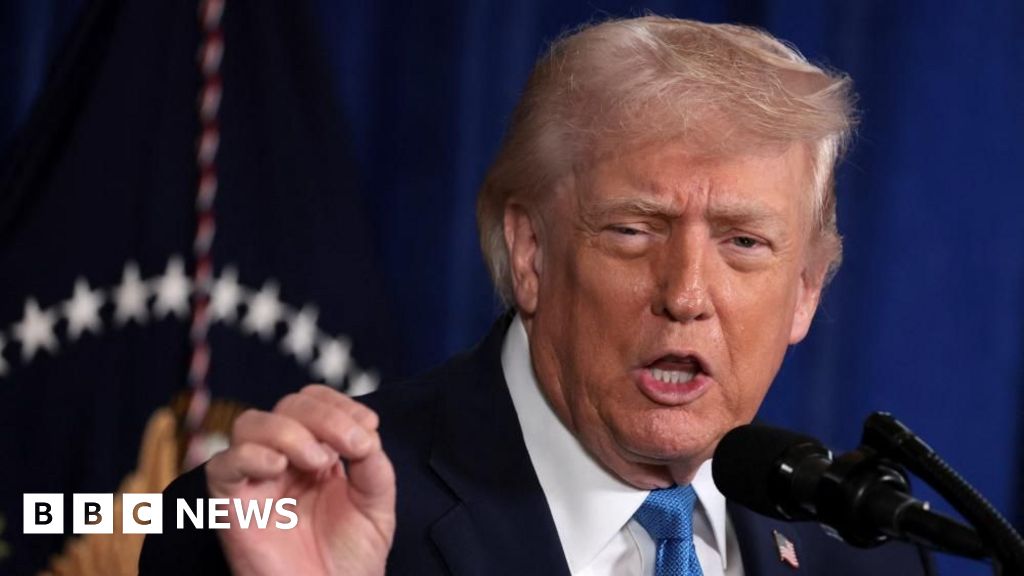
The recent US military action in Venezuela, culminating in the capture of President Nicolas Maduro and President Trump’s declaration to ‘run’ the country and ‘fix oil infrastructure,’ marks a significant geopolitical development. This directly impacts global energy markets and presents a complex risk-reward scenario for Stock Market India investors.
Retail investors, swing traders, and long-term investors must closely assess the potential volatility in crude oil prices, evaluate associated sectoral impacts on Indian equities, and monitor policy shifts affecting international trade and investment flows.
Venezuela holds an estimated 303 billion barrels of crude oil, accounting for roughly 20% of the world’s total oil resources. US companies are slated to ‘spend billions of dollars’ to revitalize this critical, albeit currently ‘broken,’ infrastructure.
This analysis delves into the short-term market reactions, medium-term implications for global oil supply, and long-term investment strategies amidst this evolving scenario, crucial for informed Financial Analysis.
Detailed Analysis
The recent geopolitical upheaval in Venezuela, characterized by direct US military intervention and the apprehension of its sitting president, Nicolas Maduro, introduces a substantial, yet complex, risk premium into global crude oil markets. While the immediate focus is on the dramatic political shift, the underlying driver for investors remains Venezuela’s colossal, though largely underutilized, oil reserves. The Trump administration’s stated intent for US oil companies to ‘fix the badly broken infrastructure’ and ‘start making money for the country’ could, in the long term, fundamentally alter global energy supply dynamics, creating both volatility and potential opportunities for the Stock Market India.
Over the past 12 months, the US pressure campaign against the Maduro government intensified through sanctions and a significant naval presence. This culminated in Saturday’s strikes, leading to Maduro’s capture and subsequent indictment in the Southern District of New York on charges including narco-terrorism and cocaine importation. Maduro has consistently denied these allegations, accusing the US of using the ‘war on drugs’ as a pretext to access Venezuela’s oil. Interestingly, counter-narcotic experts cited in the source content describe Venezuela as a ‘relatively minor player in global drug trafficking,’ mainly serving as a transit country. This context complicates the narrative, suggesting broader strategic interests linked to the country’s vast crude oil assets.
For global crude markets, the immediate uncertainty surrounding Venezuela’s political transition and the operational specifics of US involvement could trigger short-term price spikes. Venezuela’s 303 billion barrels of crude represent a significant portion of world reserves, making any disruption or, conversely, a sudden increase in output capacity, highly impactful. However, international reactions are split: Russia and China vehemently condemned the US actions as ‘armed aggression’ and ‘use of force against a sovereign country,’ while US allies like the UK, EU, and France urged a ‘peaceful transition.’ Such diplomatic fragmentation underscores the potential for prolonged instability, creating a complex operating environment for any US oil companies venturing into the region. Investors should monitor statements from US Secretary of State Marco Rubio, who reportedly engaged with Venezuela’s Vice President Delcy Rodríguez, despite her public denunciation of the US actions.
For Retail Investors, Swing Traders, Long-term Investors, and Finance Professionals, the Venezuelan situation necessitates a dynamic approach to portfolio management. In the short term, swing traders should prepare for potential surges in crude oil prices, which could translate into volatility for Indian upstream oil and gas companies (e.g., ONGC, Reliance Industries) and refining and marketing companies (e.g., Indian Oil Corporation). Long-term investors must weigh the potential for increased global oil supply, should US efforts to restore infrastructure prove successful, against the inherent geopolitical risks and execution challenges. The trajectory of US policy, the stability of a new Venezuelan government, and international responses will be critical indicators. Monitoring Brent and WTI crude futures, alongside the performance of key energy sector stocks on the NSE and BSE, will be paramount for navigating this evolving landscape and optimizing **Investment** strategies.
About the Author