Key Takeaways
Venezuela’s opposition decries its enduring authoritarian reality in 2026. Explore the complex political transition, stakeholder roles, and democratic prospects.
Overview
Venezuela’s political landscape remains deeply entrenched in authoritarianism, despite recent shifts in leadership. Opposition lawmaker Tomás Guanipa highlighted this reality by attempting to advocate for the country’s more than 800 political prisoners, only to be silenced by pro-regime legislators. This incident underscores the ongoing suppression of dissent within Venezuela’s National Assembly, where opposition voices are largely muzzled.
This situation holds significant implications for News Readers, Policy Watchers, Informed Citizens, and Political Analysts globally, as it illustrates the persistence of non-democratic governance despite external pressures. The regime maintains control over security forces, government ministries, and local administrations, reinforced by a 90-day state of emergency that targets any perceived support for external military operations.
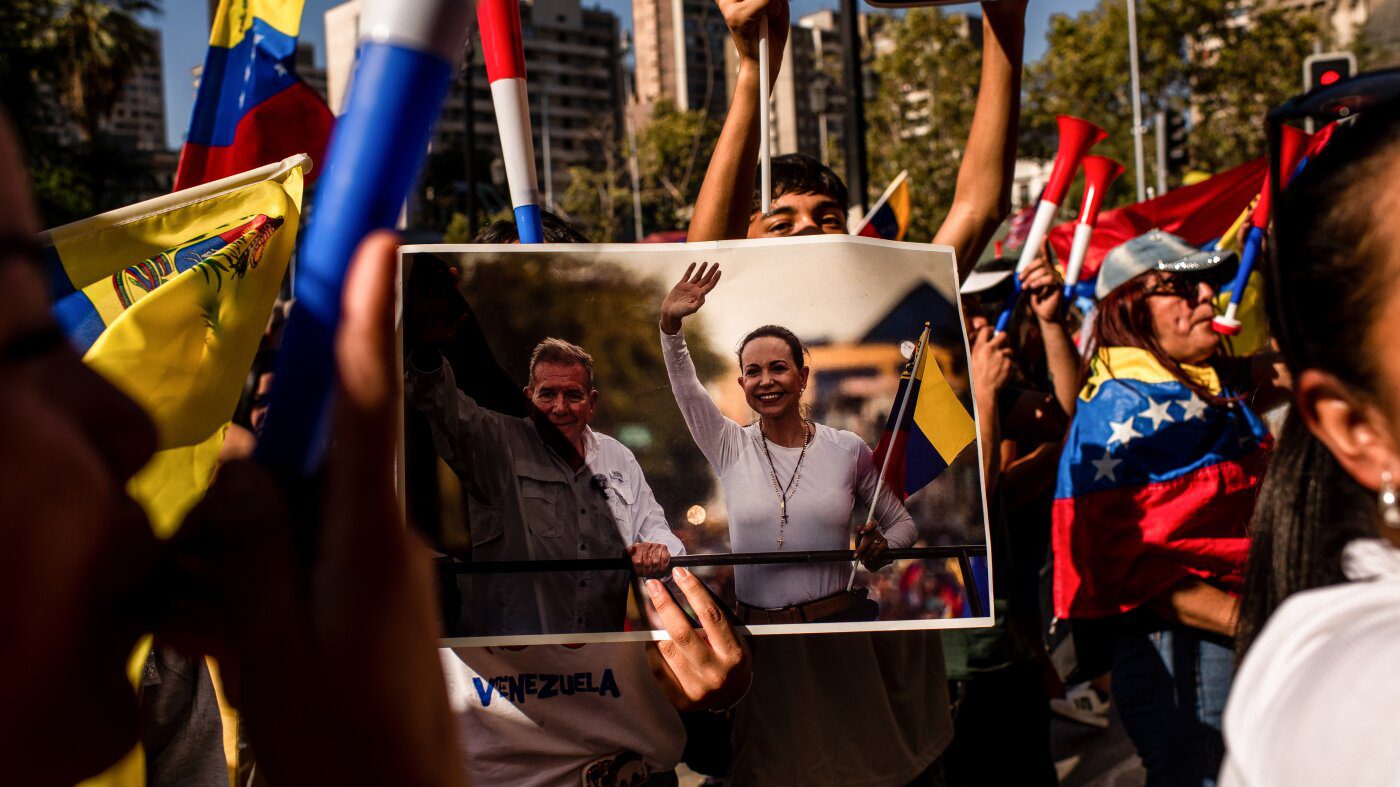
The U.S. has engaged with interim President Delcy Rodríguez, who fully supported former leader Nicolás Maduro’s policies, despite a Machado-backed opposition candidate reportedly winning the 2024 presidential election before it was overturned. María Corina Machado, a Nobel Peace Prize recipient, is effectively sidelined, though she claims overwhelming public support.
The subsequent analysis will delve into the short-term political stability under Rodríguez, the medium-term prospects for democratic transitions, and the long-term implications for Venezuelan governance and regional relations, identifying key stakeholders and metrics to observe.
Key Data
| Political Indicator | Current Status (2026) | Opposition Claim (Future Election) |
|---|---|---|
| Political Prisoners | More than 800 | N/A |
| Dissent in Parliament | Largely muzzled | N/A |
| Maduro’s Status | Seized by U.S. forces | N/A |
| Interim Presidency Tenure | Up to 90 days (extendable to six months) | N/A |
| Support for Opposition (claimed) | N/A | Over 90% (Machado) |
Detailed Analysis
Venezuela’s political trajectory, marked by the recent apprehension of former leader Nicolás Maduro by U.S. forces, has initiated a complex period of transition rather than a decisive shift towards democracy. The interim presidency of Delcy Rodríguez, Maduro’s former vice president, signifies a continuity of the existing power structures, largely leaving the opposition marginalized. This situation follows years of tightening authoritarian control, with historical context showing a consistent pattern of suppressing political dissent, rigging elections, and jailing opponents. The 2024 presidential election, reportedly won by a Machado-backed candidate but subsequently overturned by Maduro, highlights the systemic challenges to democratic processes. The current environment, described by opposition lawmaker Tomás Guanipa as “very authoritarian,” aligns with a long-standing trend of limited political freedoms and state control over key institutions.
In the short term, the stability of the Rodríguez interim government hinges on its ability to maintain control over Venezuela’s security apparatus, government ministries, and local administrations. The declared 90-day state of emergency, empowering security forces to target those involved in or supporting the U.S. military operation, reinforces the regime’s grip and suppresses immediate challenges. The U.S. administration’s decision to engage with Rodríguez, prioritizing stability over an immediate return to democracy, reflects a pragmatic approach aimed at preventing chaos. This move, however, has frustrated segments of the Venezuelan opposition, particularly those who supported María Corina Machado, a Nobel Peace Prize laureate. Machado, who has historically denounced regime figures for human rights abuses, remains a potent figure but is currently sidelined, viewed by some as an unsuitable partner for maintaining control of the military.
Comparing the current situation to prior periods of political upheaval in Venezuela reveals a recurring theme: the struggle between the ruling elite’s consolidation of power and the opposition’s fragmented efforts to restore democratic norms. The reliance on figures like Rodríguez, who have a history of supporting the previous authoritarian regime, raises questions about the genuine potential for political reform. Historically, shifts in leadership within such contexts often involve maintaining the underlying power structures to ensure continuity and avoid a complete systemic overhaul that could threaten the entrenched interests of the military and political elite. The U.S. strategy, as outlined by Secretary of State Marco Rubio, suggests a multi-phase approach, with democratic transition as a final, unspecified step. This contrasts with Machado’s strong popular mandate, indicating a disconnect between international diplomatic efforts and domestic popular sentiment. The ongoing internal divisions within the Venezuelan opposition, exemplified by disagreements over electoral participation, further weaken its collective ability to challenge the regime effectively. [Suggested Matrix Table: Comparison of Key Political Stakeholders: Current Influence, Historical Stance, and Public Support]
For News Readers, Policy Watchers, Informed Citizens, and Political Analysts, the immediate focus should be on how the interim government utilizes its 90-day mandate and whether the National Assembly extends this period. Key metrics to monitor include the release or continued detention of political prisoners, any signs of relaxed restrictions on dissent, and the rhetoric from both the interim government and the U.S. administration regarding future elections. The political implications are profound; while the capture of Maduro is a significant event, it has not yet translated into a democratic opening. Instead, it highlights the complex and often contradictory nature of international intervention in internal political crises. The long-term prospect of a truly representative democratic government remains uncertain, dependent on whether the interim administration can be genuinely pressured into facilitating free elections, or if it will seek to entrench its power further. María Corina Machado’s eventual return to Venezuela and her ability to mobilize popular support without facing immediate arrest will also be a critical factor to observe, signaling the potential for renewed internal opposition pressure.
About the Author