Key Takeaways
US Venezuela airstrikes trigger global market uncertainty. Analyze geopolitical risks, potential commodity impacts, and investment strategies for 2026.
Overview
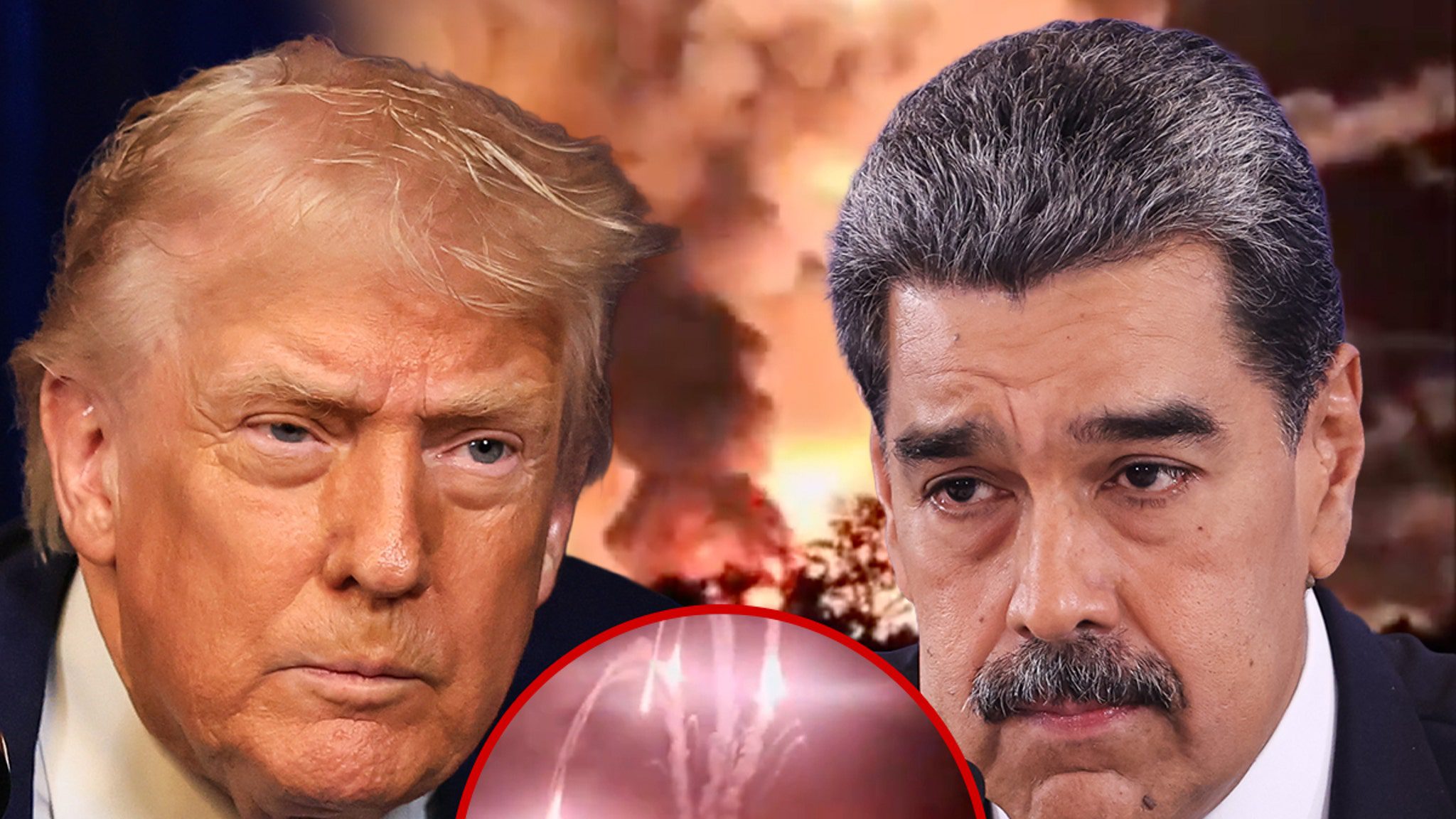
The dramatic turn of geopolitical events on January 3, 2026, with US airstrikes in Venezuela leading to the capture of President Nicolas Maduro, has immediately introduced a new layer of uncertainty into global financial markets. This unprecedented military intervention signals a significant shift in international relations, prompting investors to reassess geopolitical risk premiums across various asset classes.
For Retail Investors, Swing Traders, Long-term Investors, and Finance Professionals, understanding the potential ripple effects is crucial. Such events often trigger flight-to-safety capital flows, impact commodity markets, and influence emerging market sentiment, directly affecting the wider Stock Market India landscape.
The operation, confirmed by President Trump, involved large-scale strikes on Caracas and resulted in Maduro and his wife, Cilia Flores, facing New York indictments for weapons and drug charges. This swift action demands a robust financial analysis of immediate and evolving market implications.
This analysis delves into the short-term market reactions, medium-term strategic adjustments, and long-term implications for investment and trading strategies across NSE and BSE indices, emphasizing vigilant financial analysis.
Detailed Analysis
The recent US airstrikes in Venezuela and the subsequent capture of Nicolas Maduro represent a profound escalation in international relations, echoing historical periods of heightened geopolitical instability that have consistently influenced global financial markets. Seasoned investors understand that such events often inject considerable uncertainty, triggering immediate shifts in risk perception. Historically, major geopolitical disruptions, whether in the Middle East or other volatile regions, have led to increased demand for safe-haven assets like gold, U.S. Treasuries, and certain stable currencies, while simultaneously putting pressure on equity markets, particularly those in emerging economies. The long-standing political and economic instability in Venezuela, characterized by hyperinflation and international sanctions, had already priced in a certain level of risk; however, this direct military intervention crosses a new threshold, altering the baseline for future global risk assessments. This development compels investors to re-evaluate their exposure to Latin American markets and assess the potential for contagion, impacting global capital flows and commodity price dynamics, which are critical elements for comprehensive financial analysis.
The immediate fallout from the US Venezuela airstrikes includes a heightened sense of global instability, directly influencing investor sentiment. While specific market metrics like Sensex or Nifty movements are not detailed in the source, the overarching market reaction to such breaking news typically manifests in increased volatility. Swing traders will likely observe wider price swings, necessitating agile trading strategies and robust risk management through tighter stop-loss orders. For retail investors, the knee-jerk reactions often create buying opportunities in fundamentally strong assets that experience indiscriminate selling, or conversely, introduce downside risk for over-leveraged positions. Attorney General Pam Bondi’s statement regarding Maduro’s indictments on weapons and drug charges provides a legal framework for the US action, yet the geopolitical precedent set by directly targeting a sitting head of state could redefine international sovereignty norms. Finance professionals and long-term investors will scrutinize the implications for international law, trade agreements, and energy markets, particularly considering Venezuela’s significant, albeit underutilized, oil reserves and its strategic position.
Comparing this event to past geopolitical interventions reveals both parallels and distinct differences. While the US has previously deployed military force in various regions, the direct, public capture of a national leader by airstrikes marks a significant departure, potentially setting a new precedent for international engagement with hostile regimes. This contrasts with earlier approaches primarily focused on sanctions or proxy support, implying a more assertive US foreign policy doctrine. Investors will compare the duration and scale of market reactions to events like the Gulf Wars or other regional conflicts, where initial shocks often gave way to recovery once the immediate uncertainty subsided. The impact on emerging markets, including India, could be twofold: a general risk-off sentiment might lead to capital outflows, but if the event is perceived as isolated, the long-term impact on diversified portfolios might be contained. The potential for a sustained rise in crude oil prices, while not explicitly mentioned as a direct result in the source, remains a significant indirect risk factor, given Venezuela’s context and its implications for global energy security and supply chains. Investors should monitor the VIX index as an indicator of global market fear.
For Retail Investors, Swing Traders, Long-term Investors, and Finance Professionals, the US Venezuela airstrikes necessitate a critical re-evaluation of portfolio risk. Swing traders should prioritize capital preservation, recognizing the amplified intraday volatility and potential for sudden shifts. Long-term investors may consider diversifying into sectors historically resilient to geopolitical shocks or increasing exposure to defensive assets. Finance professionals should conduct thorough scenario planning, assessing the potential for supply chain disruptions, commodity price inflation, and regional destabilization. Key metrics to monitor include global oil prices, currency fluctuations, and any official statements from major economic powers regarding the legitimacy or implications of the intervention. The immediate power vacuum in Venezuela and the international community’s varied responses will dictate the mid-term trajectory, making ongoing financial analysis and vigilant monitoring indispensable for navigating this evolving geopolitical landscape and its impact on the Stock Market India.
About the Author