Key Takeaways
US Venezuela tensions escalate as Coast Guard pursues third oil tanker. Understand policy implications, international law, and stakeholder reactions in this critical global affairs update for Dec 2025.
Market Introduction
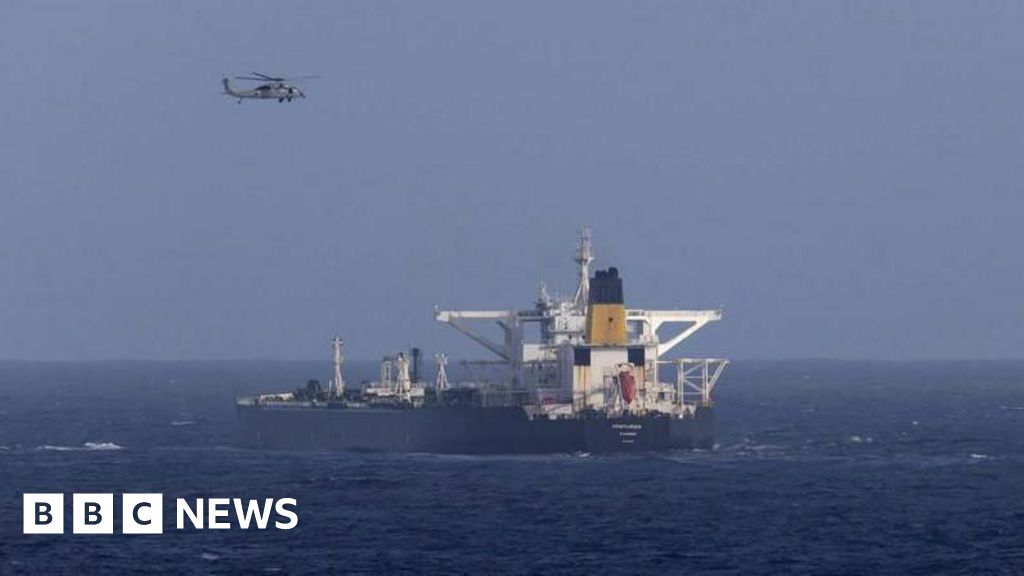
US-Venezuela tensions escalated as the US Coast Guard reportedly pursued a **third oil tanker** linked to Venezuela. This follows two prior vessel seizures this month, intensifying Washington’s sanctions enforcement efforts against Caracas.
For policy watchers, these actions highlight the Trump administration’s aggressive stance, impacting global energy markets and maritime law. This signifies a significant geopolitical escalation.
US authorities seized two tankers; one Saturday, another Sunday targeting a “sanctioned dark fleet vessel.” Over 30 of 80 ships near Venezuela faced US sanctions last week, per TankerTrackers.com.
This demands analysis of policy implications, historical context, and stakeholder reactions.
Data at a Glance
| Action Category | Vessel Count | Key Details | Source |
|---|---|---|---|
| Oil Tanker Seizures (This Month) | 2 | One seized Saturday, Panamanian-flagged, carried “sanctioned PDVSA oil” | US Authorities, BBC Verify records |
| Active Pursuit (Current) | 1 | “Sanctioned dark fleet vessel,” “false flag,” under “judicial seizure order” | US Official |
| Vessels Under US Sanctions (Last Week) | More than 30 of 80 | In or approaching Venezuelan waters | TankerTrackers.com |
In-Depth Analysis
The latest pursuit of a Venezuela-linked oil tanker by the US Coast Guard marks a significant escalation in Washington’s ongoing pressure campaign against the Nicolás Maduro regime. This strategy follows President Trump’s recent order for a “blockade” of sanctioned oil tankers. For years, the US has accused Venezuela of using oil revenues to fund illicit activities, including drug-related crime, leading to extensive sanctions. Venezuela, which holds the world’s largest proven oil reserves, labels these actions as “theft and kidnapping,” accusing the Trump administration of attempting to seize its resources. This geopolitical friction is rooted in ideological differences and strategic resource control, with the US recognizing Juan Guaidó as Venezuela’s legitimate leader. Sanctions have targeted Maduro’s government, his relatives, and associated businesses, indicating a broad effort to destabilize his rule. The current maritime interdictions escalate this strategy, raising questions about international law and sovereignty.
The US Coast Guard’s “active pursuit” of a “sanctioned dark fleet vessel” near Venezuela, flying a “false flag” and under a “judicial seizure order,” highlights complex enforcement challenges. This follows two earlier seizures this month, one involving a Panamanian-flagged tanker boarded in international waters, reportedly carrying “sanctioned PDVSA oil” despite not being on the US Treasury list. Venezuela swiftly condemned these actions, stating they “will not go unpunished,” and plans to file complaints with the United Nations Security Council. Caracas frames the seizures as international law violations. The US strategy also includes increased military presence in the Caribbean Sea and “deadly strikes” on alleged Venezuelan drug-smuggling boats, reportedly killing around 100 people. Secretary of State Marco Rubio affirmed the “intolerable” status quo, aiming to “change that dynamic,” which Venezuela’s foreign minister criticized as pursuing “regime changes.”
The aggressive US posture against Venezuela, encompassing maritime interdictions and military operations, draws parallels with historical economic blockades used to enforce international policy. This approach differs from traditional financial sanctions, moving towards direct, forceful intervention beyond conventional diplomatic pressure. This contrasts with broader international responses to Venezuela, where some nations prioritize dialogue over direct confrontation. Venezuela’s high dependence on oil revenues for government spending makes these actions exceptionally impactful, directly targeting its economic lifeline. The escalation also carries implications for the broader Caribbean region, with increased military presence introducing further instability. The international maritime community watches closely, considering the precedents these seizures could set for freedom of navigation in international waters concerning alleged sanctions evasion.
For News Readers and Informed Citizens, these escalating US actions against Venezuela signify a critical juncture in international relations, potentially fostering increased regional instability and humanitarian concerns. Policy Watchers and Political Analysts should closely monitor the Venezuelan government’s formal complaint to the UN Security Council, as its reception will influence future diplomatic and legal frameworks for sanctions enforcement. Official confirmation of the third tanker’s details remains crucial. The continued US military buildup in the Caribbean and any further “deadly strikes” warrant scrutiny, particularly given existing Congressional concerns. Observers should also track global oil market reactions and strategies adopted by nations caught between US sanctions and Venezuela’s resource needs. Long-term implications include potential shifts in international maritime law and national sovereignty concerning trade under sanction regimes.
About the Author