Key Takeaways
US operation in Venezuela sparks impeachment calls, raising geopolitical risk. Analyze market impact on oil prices, emerging markets, and investor sentiment for 2026.
Overview
The recent United States operation in Venezuela, which saw the capture of Venezuelan President Nicolás Maduro and his wife following strikes in Caracas, has ignited significant geopolitical debate and is now prompting calls for impeachment against President Donald Trump from progressive Democrats. This dramatic escalation introduces a new layer of uncertainty into global markets.
For Retail Investors, Swing Traders, and Long-term Investors alike, such international incidents can trigger immediate market reactions, especially concerning crude oil prices and emerging market stability. The political fallout in Washington further complicates the investment landscape, demanding a data-driven risk assessment.
While specific immediate market metrics are not directly disclosed in the initial reports, the focus shifts to potential volatility in commodity markets and shifts in investor sentiment regarding Latin American assets. Democrats, including Rep. Delia Ramirez and Rep. Dan Goldman, have labeled the action an “impeachable offense,” highlighting political division.
This analysis delves into the short-term market ripples, medium-term policy implications, and long-term investment shifts stemming from this significant geopolitical development and the ensuing political scrutiny.
Detailed Analysis
The weekend operation orchestrated by the United States in Venezuela, culminating in the capture of President Nicolás Maduro, marks a pivotal moment in international relations with potential far-reaching implications for global financial markets. While the immediate geopolitical narrative focuses on the legality and justification of the strikes in Caracas, market participants must assess the broader context. This event follows a a period of heightened tensions between the U.S. and Venezuela, a nation rich in crude oil reserves but historically plagued by political and economic instability. Such interventions, particularly in oil-producing regions, have often led to unpredictable shifts in global energy prices and increased risk premiums for investments in adjacent emerging markets.
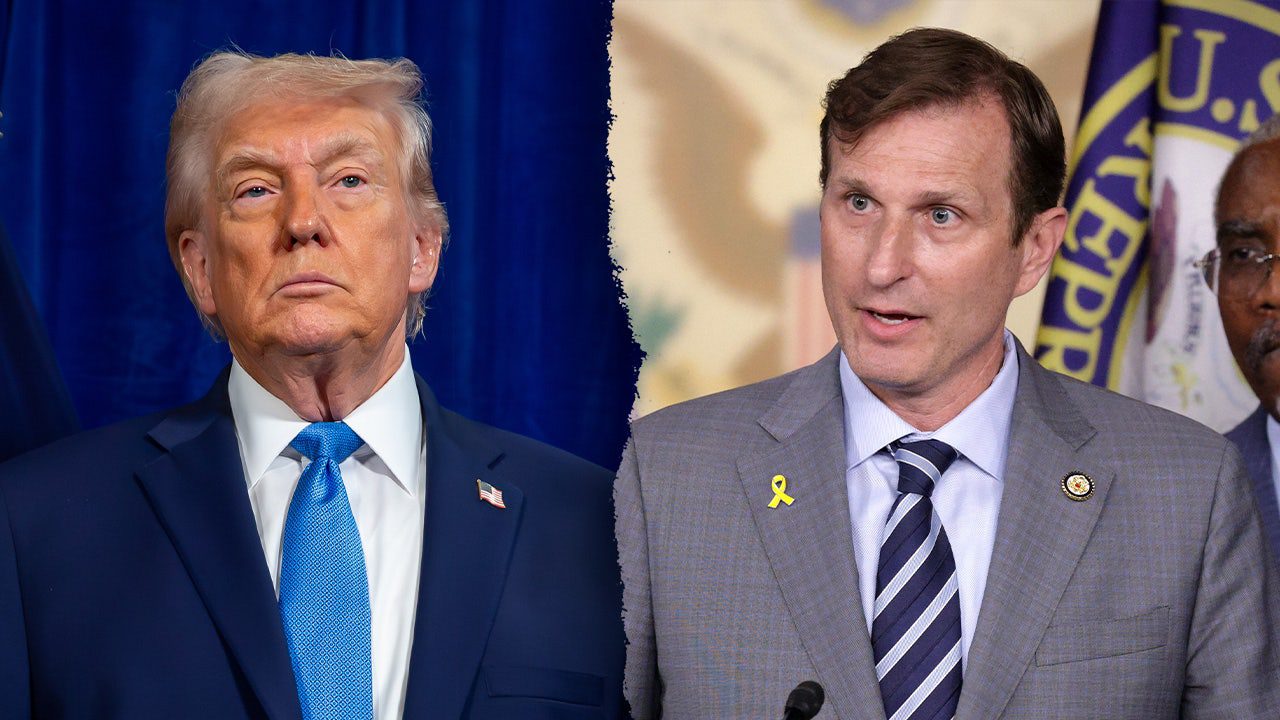
The political dissent within the U.S., specifically the calls for impeachment against President Trump by several progressive Democrats, adds a significant layer of domestic policy uncertainty. Representatives Delia Ramirez, a member of the House’s “Squad,” accused the administration of lying to justify an “invasion” and dragging the U.S. into an “illegal, endless war.” She explicitly called for passing Congresswoman Ilhan Omar’s War Powers Resolution and stated, “Trump must be impeached.” This internal political strife, where legislative bodies challenge executive actions, can amplify external shocks, leading to cautious investor sentiment and potential capital flight from perceived riskier assets. Understanding this dual impact—geopolitical action abroad and heightened political instability at home—is crucial for a comprehensive financial analysis.
While specific direct financial metrics such as real-time stock price movements or immediate commodity price shifts are not detailed in the source content, the event’s underlying drivers and potential consequences warrant close investor scrutiny. Venezuela, as a key member of OPEC, holds some of the world’s largest proven crude oil reserves. Any significant disruption or change in its political leadership, particularly through external military intervention, could theoretically impact global oil supply dynamics, affecting benchmark prices like Brent and WTI. For investors in the energy sector, this necessitates monitoring crude oil futures for any sudden spikes or prolonged volatility, reflecting altered supply-demand expectations or increased geopolitical risk premiums. The capture of a sitting head of state through an international operation represents a severe escalation, the full economic repercussions of which typically unfold over weeks and months.
Beyond the energy markets, the broader implications for Latin American sovereign bonds, currency markets, and regional equities cannot be overlooked. The perception of increased regional instability or a precedent for external intervention could deter foreign direct investment and lead to higher borrowing costs for other nations in the region, particularly those with similar political vulnerabilities or resource dependencies. The U.S. domestic political landscape further complicates this, as accusations of an “impeachable offense” from figures like Rep. Dan Goldman and Rep. April McClain Delaney introduce uncertainty regarding future U.S. foreign policy stability and executive authority. Goldman argued that bypassing Congress for such an action is an “impeachable offense” and urged Republican colleagues to join Democrats in reasserting congressional authority. These are factors that finance professionals weigh heavily when assessing long-term investment environments and country-specific risk profiles.
Comparing this Venezuelan operation and its domestic political fallout to past geopolitical flashpoints offers valuable insights for investors. Historically, similar interventions or significant regime changes in oil-rich nations have often led to initial price surges in crude oil, followed by stabilization or further volatility depending on the successor regime’s stability, global supply responses, and the broader geopolitical climate. While the specific economic data directly tied to this event is not present in the source, we can infer a potential market reaction akin to patterns observed during other periods of Middle Eastern or North African crises, where heightened uncertainty directly translates into increased market volatility. The division within the U.S. political spectrum, with Democrats accusing Trump of launching an “illegal invasion” and Republicans defending it as a “law enforcement action,” signals sustained political friction. This partisan divide over executive war powers and foreign policy has historically correlated with increased market volatility, particularly for assets sensitive to policy stability, international trade relations, and investor confidence in governance.
This scenario contrasts sharply with periods of strong executive consensus on foreign policy, which typically foster more stable market conditions. The ongoing debate over presidential authority, as emphasized by lawmakers like Rep. Ilhan Omar pushing for a War Powers Resolution, suggests a prolonged period of political uncertainty. Such legislative challenges to executive action, especially concerning military engagements, can affect the perceived predictability and stability of U.S. policy, a key factor for global financial markets. Furthermore, the varying political interpretations—from “war criminal president” as stated by progressive House candidate Kat Abughazaleh, to a “successful move to take out a dictator” as argued by top GOP lawmakers—highlight the deep partisan chasm. This divergence creates an environment where investors face challenges in predicting future policy directions, necessitating a more cautious approach to capital allocation and risk management.
For Retail Investors and Swing Traders, monitoring geopolitical developments like the U.S. operation in Venezuela, and the subsequent domestic political ramifications, is paramount for short-term risk assessment. Consider potential upward pressure on crude oil prices, which could temporarily benefit energy stocks (e.g., ONGC, Reliance Industries on the NSE/BSE) or impact sectors heavily reliant on fuel costs. Swing traders might look for opportunities in commodity futures or related ETFs, but with heightened caution due to potential rapid shifts. Long-term Investors and Finance Professionals should evaluate the broader implications for emerging markets, particularly within Latin America, and assess their portfolio diversification against such political instability. A review of exposure to global crude oil price fluctuations and the stability of various national currencies is advisable.
The evolving narrative around presidential authority and impeachment calls within the U.S. suggests a period of heightened policy uncertainty, warranting a closer look at defensive assets, currency hedges, and potentially increasing allocations to gold or other safe-haven assets. Key metrics to monitor in the coming weeks and months include crude oil benchmarks (e.g., Brent, WTI), bond yields of Latin American nations, and the CBOE Volatility Index (VIX) as an indicator of broader market sentiment. Additionally, investors should closely follow statements from U.S. political leaders regarding future foreign policy directions and any legislative actions related to war powers. This situation underscores the critical need for robust risk management strategies and staying rigorously informed on both international political shifts and their downstream economic consequences, particularly given the interconnectedness of the global financial ecosystem, including the Indian stock market (NSE, BSE).
About the Author