Key Takeaways
Examine the legal basis for US military action in Venezuela. Analysis covers executive power, constitutional law, and international implications for 2026.
Overview
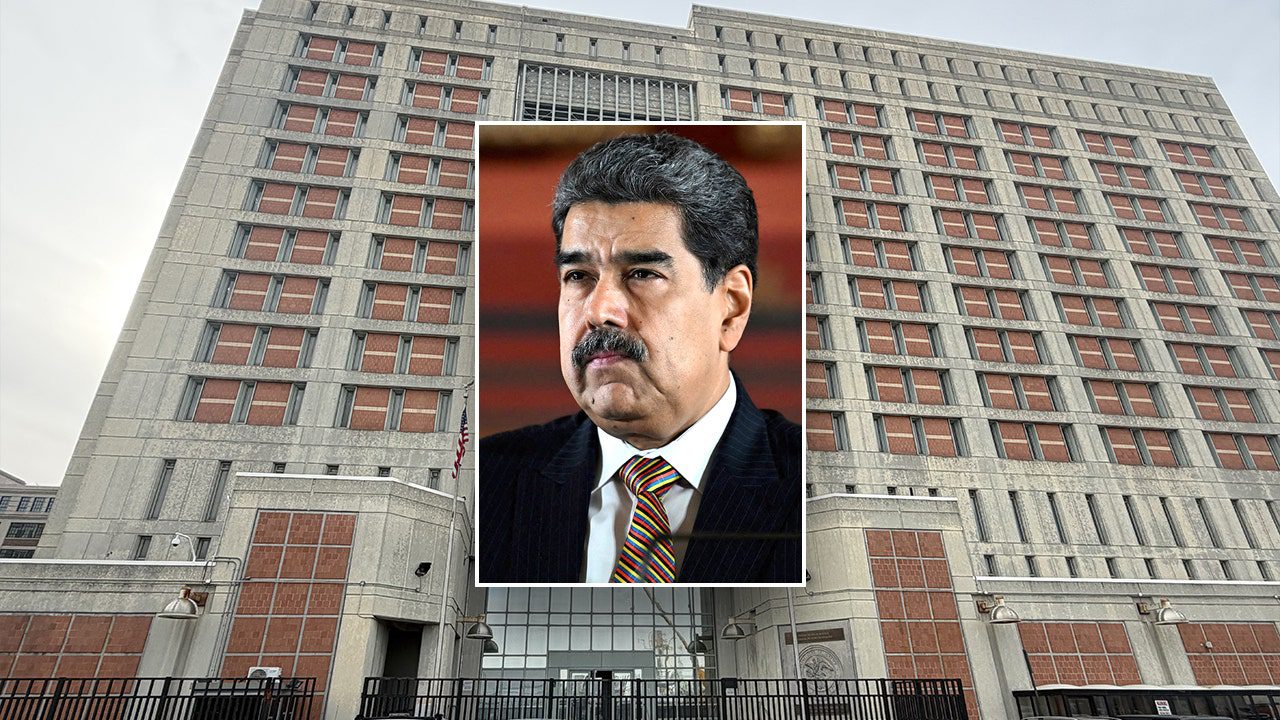
A hypothetical US military operation leading to the capture of Venezuelan dictator Nicolas Maduro, as outlined in recent discourse, sparks critical examination into the bounds of executive power and international law. This dramatic event, though speculative, brings to the forefront longstanding debates surrounding presidential authority in deploying armed forces on foreign soil.
For news readers and policy watchers, understanding the constitutional justifications and historical precedents cited for such an action is crucial. The operation’s legality hinges on interpretations of presidential mandates as Commander in Chief and the duty to faithfully execute laws.
Key data points from the hypothetical scenario include estimates of 200 to 250 metric tons of cocaine shipped from Venezuela annually, and a $25 million reward previously offered for Maduro’s arrest. Maduro has also been federally indicted for numerous crimes and designated as leading a foreign terrorist organization, the Cartel de los Soles.
The analysis below delves into the legal framework underpinning such an operation, exploring inherent constitutional authority, the War Powers Act, and comparisons to past incidents like the Manuel Noriega capture.
Detailed Analysis
The potential for a United States military operation to apprehend a foreign head of state, such as Venezuelan leader Nicolas Maduro, initiates a profound discussion within the realm of global affairs and constitutional jurisprudence. The premise for such an action is often rooted in protecting American interests and national security, particularly in the face of perceived threats like international drug trafficking. Historically, US presidents have invoked various constitutional powers to justify military engagements abroad, navigating a complex landscape of domestic law, international norms, and geopolitical considerations. The specific context surrounding Maduro involves his alleged leadership of the ‘Cartel de los Soles,’ a violent drug cartel designated by the US as a foreign terrorist organization, responsible for egregious crimes against humanity recognized even by the United Nations. This designation, coupled with federal indictments against Maduro, frames any hypothetical capture operation not merely as an act of foreign intervention but as an enforcement of American law against a high-profile fugitive. The intricate balance between defending national interests and respecting sovereign borders remains a perennial challenge for successive US administrations, shaping foreign policy and setting precedents for future engagements. The enduring debate underscores the inherent complexities of international relations where national security imperatives often collide with diplomatic protocols and international legal frameworks.
A detailed analysis of the legal underpinnings for US military operations, as presented in the hypothetical Maduro capture, centers on two primary constitutional pillars. Firstly, the President’s inherent constitutional authority as Commander in Chief of the armed forces, vested by Article II, Section 2 of the US Constitution, empowers the executive to direct military action to safeguard Americans, fortify US interests, and defend national security. The argument posits that the flow of deadly illicit drugs from Venezuela, estimated at 200 to 250 metric tons of cocaine annually with America as a favored destination, constitutes a direct threat justifying such an incursion as legal, justified, and legitimate. This perspective highlights the president’s supreme command authority to conduct campaigns and deploy operations by personal judgment, without requiring prior authorization from Congress, short of a formal declaration of war. This principle, the source indicates, is deeply embedded in the Constitution and has been upheld by the US Supreme Court since the Republic’s early founding, with presidential authority over armed action expanding in modern times through cases involving presidents like Truman, Clinton, and Obama. Secondly, the ‘Take Care Clause’ in Article II, Section 3 of the Constitution mandates the president to ‘take Care that the Laws be faithfully executed.’ This clause obliges the president to enforce all federal statutes, including the apprehension, arrest, and prosecution of wanted fugitives criminally charged with US crimes. The source explicitly states that Maduro, despite being a de facto head of state, is not afforded protection or immunity from American law, making his arrest an act of faithful execution of the laws. The operation, if conducted, would be done in conjunction with US law enforcement, as noted in the hypothetical scenario, further solidifying its legal basis from a domestic enforcement perspective. Furthermore, allegations that such an action would violate the War Powers Act are countered by explaining that the 1973 resolution stipulates a reporting requirement within 48 hours of deploying forces into hostilities, not a prohibition to act, implicitly recognizing the president’s inherent power. Every American president since World War II has reportedly used military force without specific congressional approval, reinforcing this interpretation.
Drawing parallels, the hypothetical capture of Nicolas Maduro resonates strongly with the 1990 US military operation to apprehend Manuel Noriega, the then-dictator of Panama. In that instance, President George H. W. Bush ordered military forces to capture Noriega, who was indicted on drug trafficking charges and for endangering US citizens. Following a surprise military operation, Noriega was taken into custody and transported to the US for trial. His legal team vigorously challenged both his arrest and America’s legal authority to try him, claiming immunity as a head of state. However, these challenges ultimately failed, leading to his conviction and imprisonment. This historical precedent is presented as a strong indicator that Maduro’s legal challenges, if a similar capture were to occur, would likely face the same outcome, reinforcing the validity of the US government’s stance on prosecuting foreign leaders for crimes against American law. From an international law perspective, the operation would likely invite accusations of violating Article 2(4) of the United Nations Charter, which prohibits the use of force against the territorial integrity of any state. However, the Charter also provides an exception for self-defense. The argument put forth is that Maduro’s actions as a narco-terrorist, flooding the US with deadly drugs, justify the operation as defensive, given the imminent threat to American citizens’ lives. In any conflict between American and international law, the president’s obligations under Article II of the Constitution are asserted to take precedence and priority over Article 2 of the U.N. Charter. The US, possessing veto power in the UN Security Council, maintains a strategic position to mitigate international complaints, underscoring the complexities of enforcing US policy on a global stage where sovereignty and national interest are often at odds.
For News Readers, Policy Watchers, Informed Citizens, and Political Analysts, the detailed legal framework and historical context surrounding a hypothetical operation to capture a figure like Nicolas Maduro offer critical insights into the scope of US executive power in global affairs. Understanding the interplay between inherent constitutional authority, the ‘Take Care Clause,’ and interpretations of the War Powers Act is essential for assessing the legitimacy of such actions. The precedent set by the Manuel Noriega case provides a tangible blueprint for potential legal challenges and outcomes, suggesting that the US has a strong domestic legal basis for prosecuting foreign leaders indicted for crimes impacting US national security. While international condemnation, citing the UN Charter, would be anticipated, the US’s position and its veto power in the Security Council suggest a readiness to prioritize its constitutional obligations and national interests. This scenario highlights the ongoing tension between national sovereignty and the global fight against narco-terrorism. Stakeholders should monitor future policy statements from the US government regarding international drug cartels and the enforcement of US federal law abroad. The ultimate outcome of such an operation, beyond its legal aspects, could have profound long-term implications for regional stability, US foreign policy, and the trajectory of governance in Venezuela, potentially paving the way for free and fair elections and economic recovery as implied by the source content. This complex interaction of law, policy, and geopolitics warrants continued scrutiny by all informed citizens.
About the Author