Key Takeaways
US Healthcare Premiums set to spike 114% on average as Obamacare subsidies expire. Understand the policy risk, its impact on investment and consumer spending.
Market Introduction
The impending expiration of enhanced Obamacare subsidies in the United States by December 31, 2025, signals a significant financial shift for millions of Americans. This policy stalemate in the Senate is poised to cause a sharp increase in healthcare premiums, a development keenly watched by global finance professionals and investors for its broader economic implications.
For retail investors, swing traders, and long-term investors, this US policy impasse underscores the tangible financial risks stemming from legislative uncertainty. The anticipated surge in costs could dampen consumer discretionary spending, influencing sectors beyond just healthcare, and offering a cautionary tale for domestic policy considerations affecting the Indian financial landscape.
According to a Kaiser Family Foundation report, Americans utilizing these credits face an average premium increase of 114%. Certain demographics, particularly older individuals earning just above the poverty line, could see premiums double, with states like Wyoming potentially experiencing a staggering 421% hike, and Connecticut 316%.
This article delves into the potential financial repercussions for the US healthcare and insurance sectors, offering insights into how similar policy dynamics might influence investment strategies in the Indian stock market, particularly for companies with US exposure or those in comparable domestic sectors.
Data at a Glance
| Metric | Estimated Premium Hike |
|---|---|
| Average Premium Increase (Kaiser FF) | 114% |
| Max State Increase (Wyoming – 401% Poverty) | 421% |
| Max State Increase (Connecticut – 401% Poverty) | 316% |
In-Depth Analysis
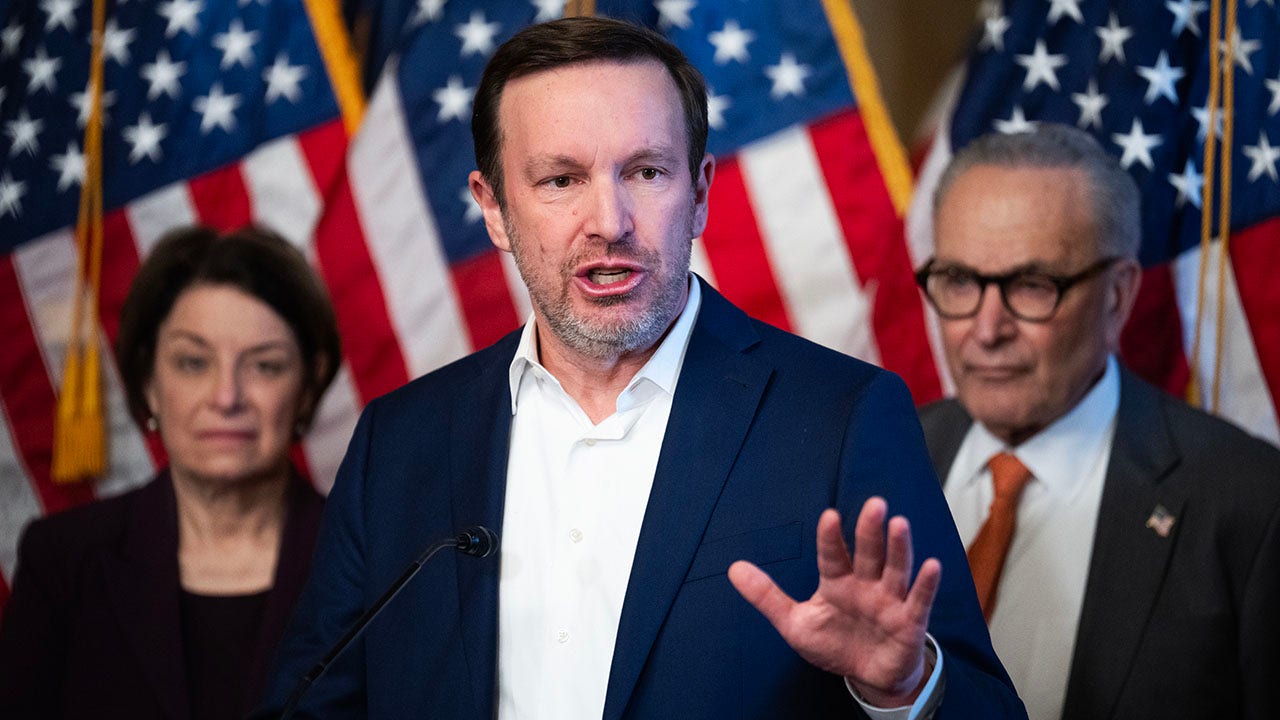
The Affordable Care Act (ACA), often referred to as Obamacare, has been a cornerstone of US healthcare policy, providing subsidies to make health insurance more accessible. The current impasse in the Senate over extending the enhanced Biden-era subsidies, initially introduced during the COVID-19 pandemic, highlights the inherent political risks that can profoundly impact economic sectors. For financial markets, especially those with exposure to the US healthcare industry or where policy heavily influences market dynamics, understanding this gridlock is crucial. The original ACA subsidies capped assistance at 400% of the poverty level, a limit removed by the enhanced provisions. With this cap potentially reinstated and the enhanced subsidies expiring, the resultant cost increase underscores a significant shift in government support, a scenario that Indian investors should observe for parallels in regulated domestic markets. Democrats, led by Sen. Chris Murphy, advocate for extending these subsidies, viewing it as a critical, even ‘life or death,’ measure. Conversely, Republicans, including Sen. Rick Scott and Sen. Jim Banks, attribute the looming expiration to Democrats and propose reforms such as income caps, anti-fraud measures, and health savings accounts (HSAs) as alternatives, arguing the current system disproportionately benefits insurance companies and masks true healthcare costs.
The financial implications of this policy stalemate are substantial. The Kaiser Family Foundation’s analysis predicts an average 114% increase in premium costs for Americans relying on these credits. For a 60-year-old making 401% of the poverty level (approximately $62,000 annually), premiums could double, with some states experiencing significantly higher hikes. For example, Wyoming could see a 421% increase, and Connecticut a 316% surge under these parameters. This direct increase in consumer burden translates into reduced discretionary income, potentially impacting sectors from retail to consumer durables. While Sen. Murphy warns of severe consequences, Republican counterparts like Sen. Scott contend that the subsidies merely inflate the cost without addressing underlying issues, diverting taxpayer money to high-earning individuals or insurance providers. This debate, while political, directly touches on the profitability of US health insurance companies and the overall economic health of consumers, factors that global financial analysts monitor closely for signs of market shifts or sector-specific risks.
This US healthcare policy challenge serves as a potent case study for investors assessing regulatory and policy risks across global markets, including India. Sectors heavily reliant on government subsidies, such as renewable energy, infrastructure, or agriculture, in various economies, face similar vulnerabilities if policy support is withdrawn or altered significantly. In the US context, major health insurance companies, which have benefited from an expanded pool of subsidized customers, could see shifts in their revenue models and customer retention rates. The divergence in approaches—Democrats favoring direct subsidy extensions versus Republicans pushing for market-based reforms like HSAs—highlights differing philosophies on market intervention. Investors should evaluate companies not just on their operational efficiency but also on their resilience to policy shifts and their ability to adapt to varying regulatory environments. [Suggested Matrix Table: Comparison of US Healthcare Premium Impact Across Select States and Demographics]
For retail investors and swing traders, the short-term market reaction to any legislative developments (or lack thereof) in the US Senate regarding these subsidies could create volatility in US healthcare and insurance stocks. Monitoring the political discourse and specific deadlines, such as December 31, 2025, is paramount. Long-term investors and finance professionals, however, should focus on assessing the fundamental strength of companies in subsidy-dependent sectors, favoring those with diversified revenue streams and robust balance sheets less exposed to abrupt policy changes. The broader implications for consumer spending, healthcare utilization rates, and the long-term sustainability of the US healthcare system remain key metrics to watch. Any bipartisan ‘Christmas miracle,’ as Sen. John Thune mentioned, or efforts in the new year could offer new entry or exit points for strategic investment. The situation underscores that policy is a powerful, often unpredictable, force in investment analysis.
About the Author