Key Takeaways
Switzerland resort fire prompts market scrutiny on unforeseen event risk. Analyze potential impacts on investor sentiment, tourism, and insurance sectors. Understanding risk factors.
Overview
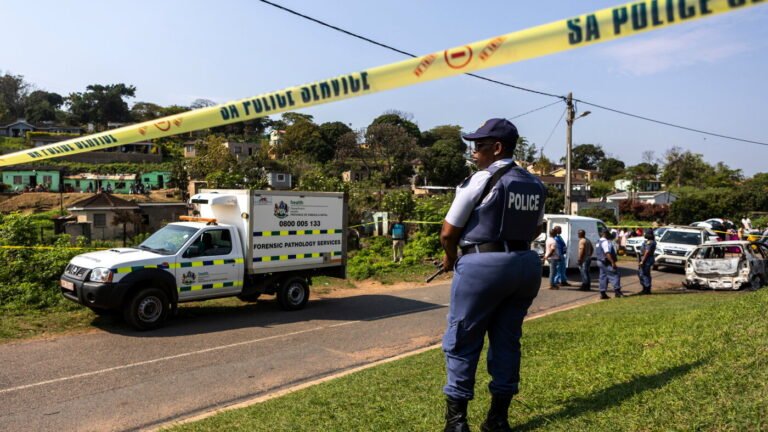
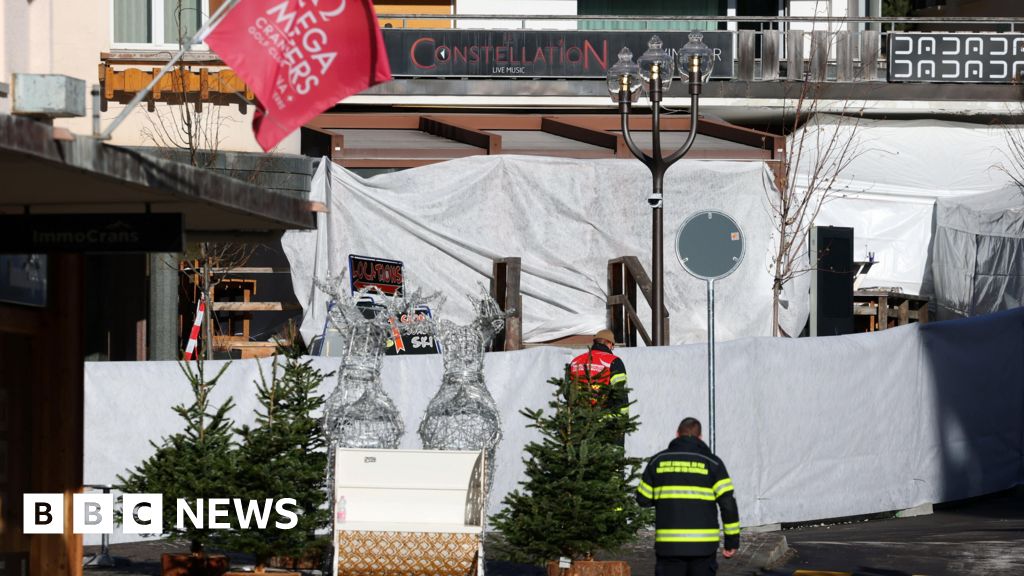
The recent devastating New Year’s Day fire at Le Constellation bar in Crans-Montana, Switzerland, resulting in several dozen presumed fatalities and over 100 injuries, underscores critical considerations for global investors regarding unforeseen event risk.
While the immediate financial ramifications of this localized tragedy remain to be fully assessed, finance professionals and retail investors alike must evaluate how such non-market incidents can influence investor sentiment, regional tourism, and the broader insurance sector. It highlights the importance of incorporating comprehensive risk management frameworks into investment strategies.
Initial reports indicate the incident occurred at 01:30 local time on New Year’s Day, affecting multiple nationalities. Swiss officials have confirmed the event is being treated as a fire, with no indication of an attack, focusing investigations on the cause.
This analysis delves into the conceptual implications for investment, examining how seemingly isolated global events contribute to an overarching risk perception, urging a deeper look into preparedness and portfolio resilience.
Detailed Analysis
Switzerland, renowned for its economic stability, robust financial sector, and premium tourism industry, typically presents a low-risk investment environment. The tragic New Year’s Day fire at the popular Le Constellation bar in the upscale Crans-Montana ski resort, while a localized human tragedy, serves as a stark reminder that unforeseen event risk can emerge anywhere, challenging conventional risk assessments. Such incidents, even without direct financial market links, compel investors to re-evaluate the resilience of their portfolios against external shocks. Historically, events causing significant loss of life, regardless of their origin, often trigger a period of heightened scrutiny over safety standards, regulatory compliance, and business continuity, particularly within the hospitality and tourism sectors, which are vital components of the Swiss economy. The international nature of the casualties further broadens the scope of public and investor interest beyond national borders.
From the available information, the incident involved “several dozen” presumed deaths and “more than 100 injured,” with multiple nationalities affected. The New Year’s Day timing suggests the bar was likely at peak capacity, underscoring the magnitude of the human cost. While the source content explicitly states the cause is unknown and “no question of an attack,” this ambiguity, coupled with initial reports of an “explosion,” could initially contribute to market uncertainty before clarity emerged. For the investment community, key observations include the immediate cessation of operations for Le Constellation bar, representing a direct business interruption. The strain on local medical facilities, with the Valais hospital’s intensive care unit full, and a burns unit in Milan made available, points to significant immediate operational and logistical challenges. Crucially, the source provides no specific financial metrics—no mention of insurance claims value, property damage cost, or publicly traded companies directly involved. Therefore, a quantitative financial analysis of direct market impact from this specific event is currently not feasible based solely on the provided data.
Comparing this incident to other unforeseen events from a financial perspective necessitates a conceptual approach given the absence of direct financial data. While distinct from systemic financial crises or large-scale natural disasters that directly impact global supply chains or commodity prices, this event shares characteristics with localized operational risks inherent in the hospitality sector. Historically, accidents in tourism hubs, even smaller in scale, have led to temporary downturns in local visitor numbers and increased scrutiny on regulatory compliance for entertainment venues. Investors in hospitality-focused real estate, leisure companies, or regional tourism bonds often factor in reputational risk and safety incident potential. This Swiss event could be hypothetically compared to a localized disruption, where the primary financial impact would initially fall on insurance providers for business interruption, property damage, and liability claims, though specific figures are not disclosed. Long-term, if unaddressed or if similar incidents recur, investor perception of destination safety could be negatively impacted, influencing capital allocation. [Suggested Matrix Table: Risk Factor Comparison – Event Type, Industry Sector Affected, Direct Financial Metrics, Indirect Market Sentiment Impact]
For Retail Investors, Swing Traders, Long-term Investors, and Finance Professionals, the Crans-Montana fire, while tragic, serves primarily as a qualitative reminder of unforeseen event risk. While unlikely to directly sway major Indian indices like the Nifty or Sensex, it prompts a re-evaluation of how such incidents affect global industries. Investors with exposure to international tourism, hospitality, or the insurance sector should integrate robust due diligence on safety records and comprehensive insurance coverage as part of their investment analysis. Swing traders might observe short-term, localized sentiment shifts, but broader market impact is not anticipated without specific financial linkages. Long-term investors should consider diversified portfolios that account for varied global risks, assessing company-specific risk management strategies. Monitoring future reports on insurance claims and local tourism data, even if not directly provided in this update, will be crucial for understanding the full financial aftermath and its implications for investment strategies moving forward.
About the Author