Key Takeaways
Ukraine peace talks in Paris face uncertainty as the US shifts its focus to Venezuela. Understand global current affairs, diplomatic challenges, and implications for international security.
Overview
The pivotal Ukraine peace talks in Paris, aimed at securing the nation’s post-ceasefire future, face significant uncertainty. This shift is primarily due to the Trump administration redirecting its foreign policy focus towards Venezuela. Allies had convened to develop concrete commitments for Ukraine’s protection and lasting peace, but these vital discussions are currently impacted by evolving global current affairs.
French President Emmanuel Macron expressed initial optimism for the Paris summit, which gathered 35 participants, including 27 heads of state. However, the U.S. delegation’s plans changed, with Secretary of State Marco Rubio altering his schedule due to military intervention in Venezuela.
The talks sought specific outcomes on ceasefire monitoring, military support, and long-term defense cooperation for Ukraine. Kyiv seeks firm U.S. guarantees, fearing a ceasefire that could allow Russia to regroup.
This development underscores the complexities of international diplomacy. General readers should monitor these geopolitical shifts and their implications for European stability and today’s news updates.
Detailed Analysis
The Paris meeting represented a critical juncture for international efforts to solidify Ukraine’s long-term security. For months, a “coalition of the willing” had been diligently exploring mechanisms to deter future Russian aggression, even in the event of a ceasefire. French President Emmanuel Macron, a key orchestrator of these multination efforts, had articulated a clear vision: the summit would yield “concrete commitments” to protect Ukraine and secure “a just and lasting peace.” This optimism underscored the perceived momentum building towards a comprehensive security framework. The high-level attendance, with 35 participants including 27 heads of state and government, was a testament to the international community’s shared concern for European stability and a desire to prevent a resurgence of conflict in the region.
However, the geopolitical landscape, characterized by its inherent volatility, introduced an unexpected complication: a sudden shift in the United States’ strategic focus. The Trump administration’s engagement, particularly with the capture of Venezuelan leader Nicolás Maduro, effectively re-prioritized its foreign policy agenda. This re-orientation had immediate and tangible consequences for the Paris talks. Secretary of State Marco Rubio, initially slated to lead the influential U.S. delegation, changed his plans, citing reasons directly tied to military intervention in Venezuela. His replacement by envoys Steve Witkoff and Jared Kushner, while still representing the U.S., inevitably raised questions about the level of sustained attention and commitment Washington could offer to the intricate discussions surrounding Ukraine’s future.
Historically, the United States has played an indispensable role in global security initiatives, often providing the crucial military, financial, and diplomatic leverage needed to forge consensus and implement robust defense strategies. Any perceived dilution of this focus, especially at a summit of such magnitude, carries significant implications. For general readers and news consumers following current affairs, this development highlights the interconnectedness of global events; a crisis in one region can rapidly divert resources and diplomatic energy from another, even one as critical as the ongoing situation in Ukraine. The unfolding dynamics underscore the fragile nature of international coalitions and the constant calibration required in multilateral diplomacy. This background sets the stage for understanding why, despite earlier hopes, progress in the Paris talks became uncertain, shifting the narrative from a unified front on Ukraine to a broader, more fragmented global agenda. The emphasis for Ukraine’s allies remains on crafting durable security guarantees, a task made considerably more complex by the evolving priorities of a major partner.
The Paris talks were structured around five crucial priorities, designed to establish a comprehensive security architecture for Ukraine in the aftermath of a potential ceasefire with Russia. Firstly, participants aimed to establish robust mechanisms for monitoring a ceasefire, a critical step to ensure compliance and prevent immediate escalations. Secondly, substantial support for Ukraine’s armed forces formed another cornerstone, recognizing that a resilient domestic military would be the primary deterrent against future aggression. This support was envisioned to encompass training, advanced weaponry, and other essential resources necessary for modern defense.
A third priority involved the deployment of a multinational force, operating across land, sea, and air. This collective security measure aimed to create a tangible buffer and a rapid response capability to protect Ukraine’s borders and sovereignty. Fourthly, the agenda included seeking firm commitments from its members in the event of another Russian aggression. These pre-agreed responses would be vital for Ukraine, providing assurances of immediate international backing rather than protracted diplomatic debates. Finally, the agenda focused on long-term defense cooperation with Ukraine, fostering a sustained partnership that extends beyond the immediate post-ceasefire period, integrating Ukraine more closely into Western security frameworks.
Despite these ambitious goals, the change in the U.S. delegation’s leadership introduced immediate challenges. The original plan for Secretary of State Marco Rubio to lead the U.S. contingent underscored the strategic importance Washington initially placed on these negotiations. His diversion to Venezuela, as stated in the source, due to “reasons related to the military intervention,” signaled a profound re-allocation of top-level attention. This alteration meant that Ukraine, which seeks “firm guarantees from Washington of military and other support,” found its primary advocate potentially distracted. Kyiv views Washington’s commitment as “crucial to securing similar commitments from other allies.” Without strong, unequivocal signals from the U.S., other coalition members might hesitate to make equally robust pledges, affecting the overall cohesion and effectiveness of the proposed security arrangements.
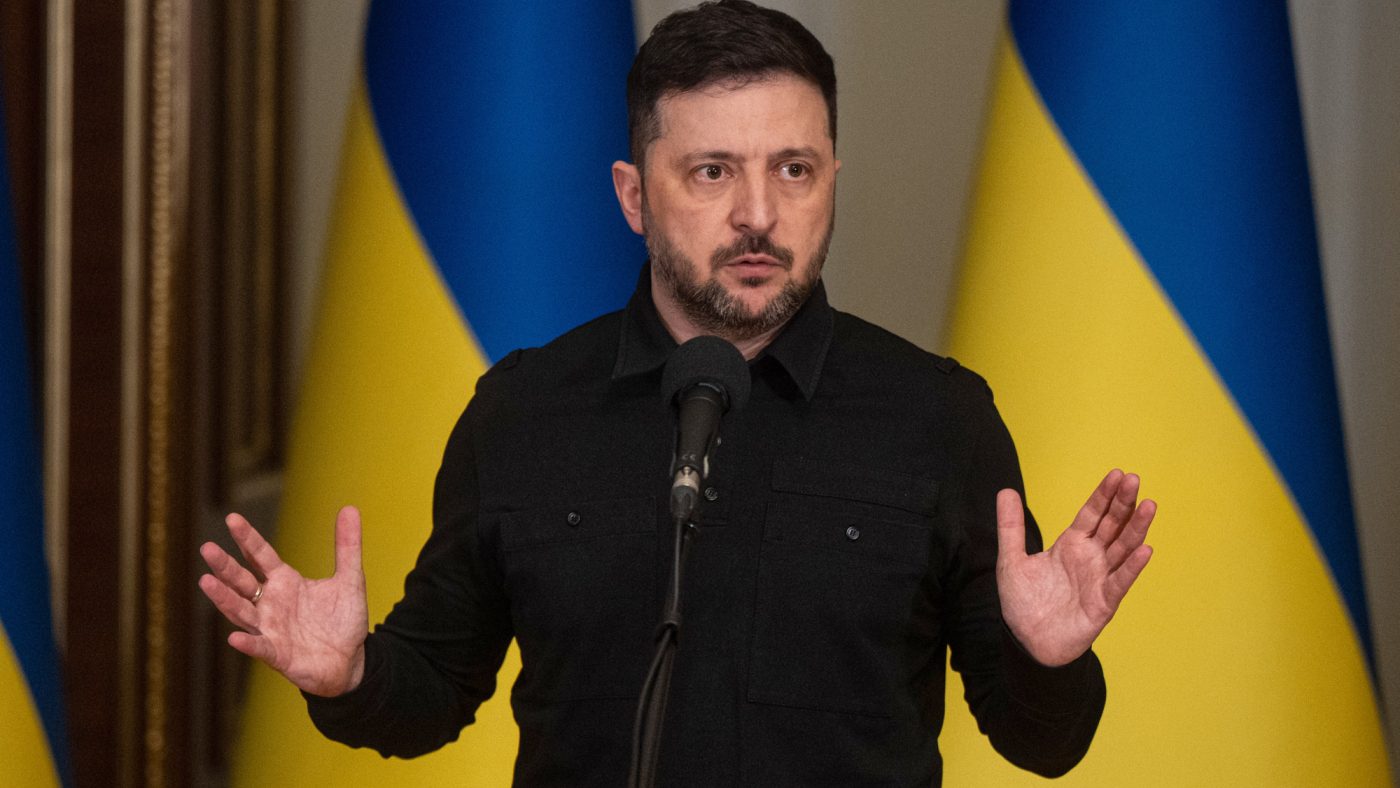
Ukraine’s leadership, particularly President Volodymyr Zelenskyy, has consistently expressed apprehension regarding any ceasefire that might merely offer Russia a strategic pause. Kyiv fears that such a lull could allow Russia to “regroup and attack again,” undermining any fragile peace. Therefore, the depth and sincerity of security guarantees offered by the coalition are paramount for Ukraine to even consider a ceasefire agreement. The detailed analysis reveals that the effectiveness of these guarantees relies heavily on the full engagement and unwavering support of all major allies, a factor now rendered uncertain by the shifting U.S. focus. The absence of key U.S. figures and the immediate redirection of attention to another critical global hotspot complicates the pathway to “concrete outcomes” that Macron had envisioned.
The present uncertainty surrounding the Paris talks sharply contrasts with the earlier optimism voiced by key figures like French President Emmanuel Macron and U.S. envoy Steve Witkoff. Macron’s Dec. 31 address confidently spoke of “concrete commitments” for Ukraine, a sentiment mirrored by Witkoff’s description of “productive” discussions focused on “strengthening security guarantees.” This initial alignment signaled a clear trajectory for solidifying Ukraine’s defenses and achieving lasting peace. However, the subsequent re-direction of U.S. priorities to Venezuela introduced a critical variable, exposing how international diplomatic initiatives can be vulnerable to unforeseen geopolitical shifts.
A significant hurdle for Ukraine has always been the depth of security guarantees. Kyiv’s caution is rooted in the understanding that ceasefires, if lacking sufficient deterrents, may inadvertently provide strategic respites for aggressors. President Zelenskyy’s concern that “not everyone is ready” to commit forces, even if leaders agree, citing parliamentary approvals, reveals a potential gap between diplomatic ambitions and domestic political realities within the coalition. This practical constraint complicates the promise of swift, robust military interventions.
Zelenskyy further distinguished between various forms of support. While non-military aid holds value, he stressed the “essential” role of post-ceasefire deployments by nuclear-armed nations such as Britain and France. This highlights that while many countries can provide support, the nature of military assurance from powerful states remains crucial for Ukraine’s confidence. The U.S. shift impacts the perceived resolve of the broader coalition, potentially weakening Ukraine’s overall security outlook. As Zelenskyy noted, the very existence of the “coalition of the willing” “depends on whether certain countries are ready to step up their presence,” a commitment now potentially fragmented by the Venezuela crisis.
For general readers and news consumers, the developments in Paris offer a stark reminder of the intricate, often unpredictable, nature of global current affairs and international diplomacy. The shift in U.S. focus from Ukraine to Venezuela, despite ongoing critical talks, underscores how rapidly geopolitical priorities can reconfigure. This has immediate implications for European stability, as the solidarity and unwavering commitment of Ukraine’s allies are paramount to deterring future aggression. A fragmented or distracted international response could embolden adversaries and prolong conflicts.
Those following India news and broader global events should recognize that the U.S. role remains central to major security initiatives. When Washington’s attention pivots, it inevitably creates ripple effects across alliances and diplomatic efforts, potentially slowing down critical progress on other fronts. The outcome of the Paris talks, therefore, is not merely about Ukraine’s borders; it’s about testing the strength and cohesion of global partnerships designed to maintain international order.
What to monitor next involves several key elements. Firstly, observe further statements and actions from the Trump administration regarding both Ukraine and Venezuela, looking for any signs of re-engagement or sustained focus. Secondly, track any subsequent announcements from French President Macron and other European leaders regarding the specific “concrete commitments” they can still make. Finally, pay attention to Ukrainian President Zelenskyy’s responses and his continued assessment of the “coalition of the willing.” The coming weeks will reveal whether this uncertainty proves a temporary distraction or a more enduring challenge to Ukraine’s path towards a stable future.
About the Author