Key Takeaways
Discover President Trump’s unique remarks on ‘clean, beautiful coal’ and ‘high IQ’ children during NORAD Santa calls on Christmas Eve.
Overview
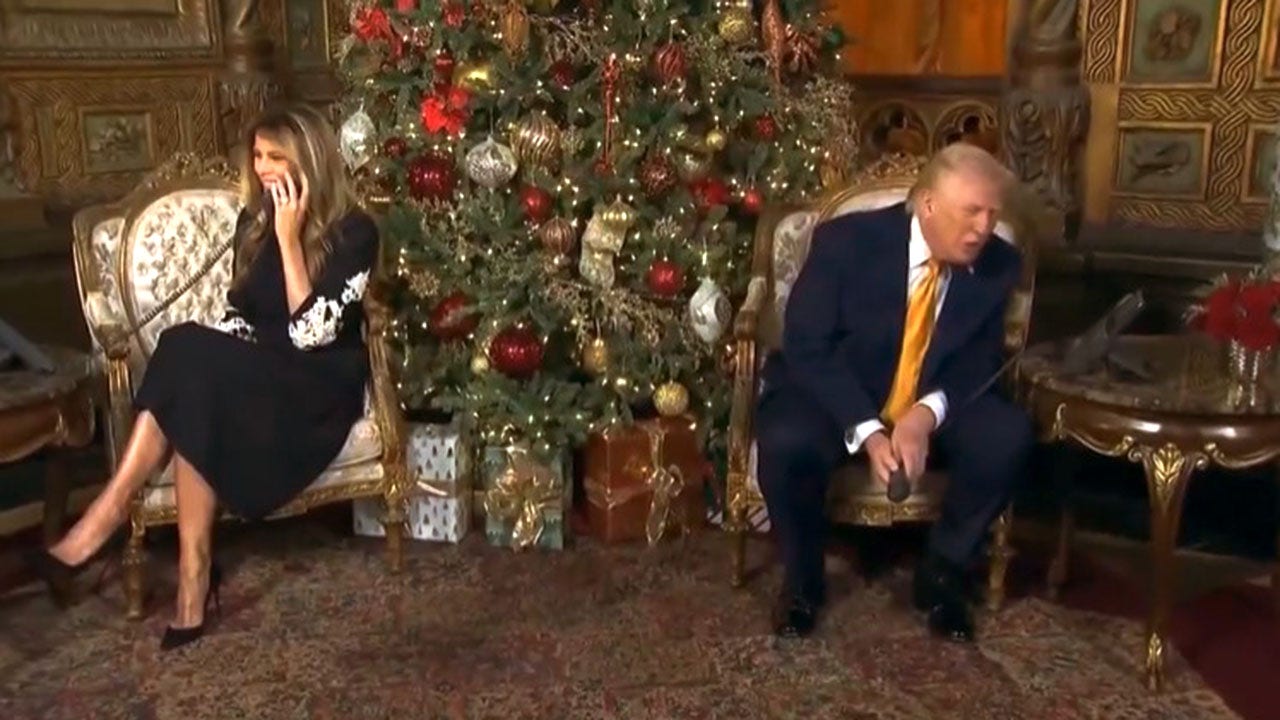
On Christmas Eve, former President Donald Trump and former first lady Melania Trump engaged with children via the NORAD Santa Tracker hotline from Mar-a-Lago, Florida. This annual tradition saw a unique turn as Trump praised “clean, beautiful coal” and remarked on a child’s “high IQ.”
This interaction provides a glimpse into the distinctive style of presidential holiday engagement, blending festive cheer with characteristic political messaging. General readers and news consumers often find such informal presidential moments insightful, offering a window into public personas and underlying agendas.
Key comments included Trump telling a child they must be a “high IQ person” for wanting a Kindle, and asserting that “coal is clean and beautiful” when asked about receiving coal as a gift. He also connected Oklahoma’s election support to Santa’s affection for the state.
The event, while light-hearted, showcased a blend of holiday tradition and Trump’s consistent policy advocacy, prompting observation on how public figures utilize such platforms for wider communication.
Detailed Analysis
The North American Aerospace Defense Command (NORAD) Santa Tracker program, a beloved holiday tradition dating back to 1955, typically serves as a heartwarming bridge between the President and children worldwide on Christmas Eve. Presidents and First Ladies have historically participated, offering a moment of connection and festive spirit. The involvement of Donald and Melania Trump in these calls from their Mar-a-Lago club continues this tradition, yet it also highlighted a distinctive approach, infusing the informal holiday outreach with elements of political rhetoric and personal commentary that observers have come to associate with the former President.
During these Christmas Eve conversations, Trump’s remarks often veered beyond typical holiday pleasantries. For instance, upon learning a child desired a Kindle, he responded, “That’s pretty good. You must be a high IQ person. We need more high IQ people in the country.” This comment, while ostensibly a compliment, also reflects his often-used rhetorical style. More notably, when a child in Kansas expressed a wish for “not coal,” Trump interjected, “Not coal, no you don’t want coal. You mean clean, beautiful coal. I had to do that, I’m sorry… No, coal is clean and beautiful. Please remember that at all costs.” This direct advocacy for coal, a recurring theme in his political platform aimed at boosting its use, stands out in a conversation typically reserved for Santa’s naughty or nice list. Another politically charged comment came when speaking with a child in Oklahoma, where he stated, “Santa loves you. Santa loves Oklahoma like I do. You know, Oklahoma was very good to me in the election. So I love Oklahoma. Don’t ever leave Oklahoma, OK?”
These interactions present a comparative study against the backdrop of traditional presidential holiday engagements. Historically, these calls are kept largely apolitical, focusing purely on the magic of the season and children’s wishes. Trump’s integration of policy messaging and political affiliation into the NORAD Santa calls marks a departure, highlighting how even non-partisan events can become stages for communicating broader political agendas. This approach contrasts with previous administrations, where such events were meticulously curated to project unity and cheer, devoid of contentious policy discussions. The subtle, yet explicit, promotion of specific policies or political allegiances, like the emphasis on “clean coal” or electoral support, indicates a strategic blurring of lines between the personal and the political, a characteristic often observed in his public engagements. The event, while US-centric, falls into the general category of current affairs showcasing a unique political style and is relevant for India News and Today Updates readers tracking global events.
For general readers and news consumers, these interactions offer more than just a seasonal anecdote; they underscore the evolving nature of public communication by political figures. It serves as a reminder that even during seemingly informal or festive occasions, underlying messages and political ideologies can be subtly (or not-so-subtly) reinforced. Audiences should monitor how such platforms are utilized by leaders to gauge the informal dissemination of policy stances and political narratives. The event highlights the constant interplay between a public figure’s personal style and their political objectives, even in contexts traditionally considered above the fray of daily politics. It reinforces the importance of discerning the various layers of communication embedded in public appearances, shaping public perception and contributing to the broader current affairs landscape.
About the Author