Key Takeaways
Donald Trump’s alleged increased travel on Epstein’s plane sparks fresh scrutiny. Get insights into the prosecutor’s claims and public impact.
Overview
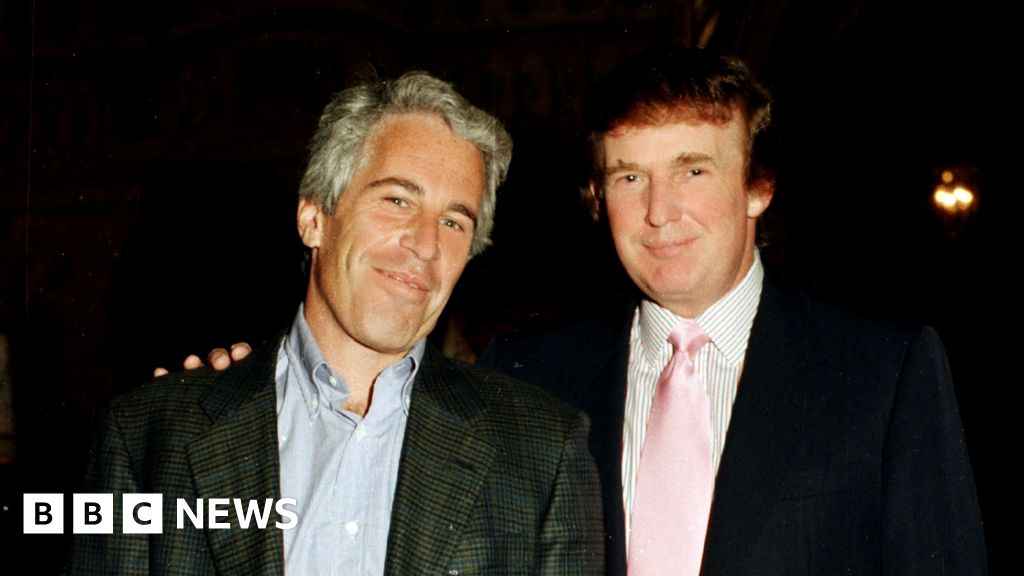
A prosecutor has stated that former U.S. President Donald Trump travelled on Jeffrey Epstein’s private plane more frequently than previously thought. This new allegation intensifies scrutiny over Trump’s past associations with the disgraced financier, who faced severe sex trafficking charges.
For general readers and news consumers, this update underscores the persistent public and legal interest in Epstein’s extensive network. It highlights an ongoing demand for transparency and accountability among powerful figures, resonating across current affairs discussions.
Crucially, specific data, including precise flight numbers or dates of Donald Trump’s travels, were not disclosed by the prosecutor. The assertion focuses solely on an increased, yet unspecified, frequency.
This news update adds a significant layer to the complex narrative surrounding high-profile connections and their implications in today’s media and political landscape.
Detailed Analysis
The long shadow cast by Jeffrey Epstein’s illicit activities continues to periodically envelop prominent figures, bringing their past associations into renewed public and legal scrutiny. The latest assertion, made by a prosecutor, claiming that former U.S. President Donald Trump travelled on Epstein’s private plane more frequently than previously disclosed, represents a significant development in this ongoing saga. Epstein, a financier whose downfall was marked by severe charges of sex trafficking involving underage girls, operated within a sophisticated network of powerful and influential individuals. His death in 2019, while awaiting trial, did little to quell the public’s demand for answers about his enablers and associates. This persistent societal quest for truth, particularly concerning how such egregious crimes could have been perpetuated for so long and who may have been involved or benefited from the periphery, remains a cornerstone of current affairs, fueling years of investigation.
This revelation arrives amidst a climate of heightened public demand for accountability from individuals in positions of power. Across the global landscape, public figures are consistently held to elevated ethical standards, and their historical associations are subject to intense examination. The prosecutor’s statement, by its very nature, adds an official layer of gravity to what might otherwise be relegated to speculative rumor. It signifies that the connections within Epstein’s orbit are not merely subjects of journalistic inquiry but are actively being considered within the prosecutorial framework. This aspect is vital for general readers to grasp: the source of the information confers a credibility that fuels immediate media response and widespread public debate. It underscores a prevailing trend where the historical interactions of public personalities are continuously re-evaluated through the lens of evolving moral standards and the stark realities uncovered by ongoing investigations into figures like Epstein, ensuring any fresh detail becomes a focal point.
At the core of this breaking news update is the prosecutor’s specific declaration that Donald Trump’s use of Jeffrey Epstein’s private aircraft, often dubbed the “Lolita Express” due to its association with Epstein’s criminal enterprises, was “more than previously thought.” It is imperative to emphasize, as the original source content indicates, that this statement does not include quantifiable specifics such as the precise number of additional flights or the exact dates of these alleged journeys. While the frequency of travel is now under renewed suspicion, the degree of this alleged increase remains largely unspecified in the public domain. Despite this lack of concrete metrics, the source of this claim—a prosecuting authority—imparts significant weight, suggesting that information obtained through official channels points to a more extensive relationship than previously, or perhaps publicly, understood. This distinction is critical for general readers and news consumers, as the credibility of the messenger in such sensitive matters often dictates the immediate public reaction and subsequent media amplification.
The history of Donald Trump’s connection to Jeffrey Epstein has been a recurring theme in media discourse for many years. Prior to Epstein’s conviction and subsequent death, Trump had, at various times, acknowledged knowing Epstein, even offering complimentary remarks. However, as the heinous nature of Epstein’s crimes became unequivocally clear and widely condemned, Trump, like many other public figures, distanced himself from the disgraced financier. This latest prosecutorial statement, therefore, does not introduce an entirely new association but rather potentially recalibrates the intensity and duration of an existing one. The phrase “more than previously thought” implicitly challenges established public narratives or earlier official accounts regarding the extent of their interactions. It strongly suggests that ongoing or renewed scrutiny has uncovered details indicating a more frequent presence of Trump on Epstein’s private jet than has been disclosed or widely acknowledged, a detail that takes on immense significance given the aircraft’s dark notoriety.
The implications of such an allegation, even without precise flight manifests being made public, are considerable for both public perception and the broader political landscape. For news consumers seeking comprehensive current affairs coverage, this revelation directly contributes to a persistent narrative concerning the accountability of powerful individuals and the long-term consequences of associations that may have appeared benign at one time but are now viewed through the chilling prism of Epstein’s crimes. The absence of specific flight logs or passenger details in the publicly available source content means that citizens cannot independently verify the “more than previously thought” claim. Instead, they must weigh the assertion based on the credibility and authority of the prosecutor’s office. This scenario highlights the intricate dynamics between official legal investigations, the often-limited nature of public disclosure during ongoing inquiries, and the role of responsible media reporting in high-stakes cases involving prominent figures. The focus remains not only on Donald Trump’s past actions but also on the continuously evolving understanding of Epstein’s vast and disturbing network.
The assertion concerning Donald Trump’s alleged increased travel on Jeffrey Epstein’s private plane is not an isolated incident in the broader context of the Epstein scandal. It forms part of an ongoing, pervasive pattern of scrutiny applied to numerous high-profile individuals across various sectors who had connections with the disgraced financier. Over the years, a diverse roster of politicians, business magnates, distinguished academics, and celebrated entertainers have faced intense questioning regarding their contact with Epstein. What elevates this current revelation is its origin: a direct statement from a prosecutor. This official endorsement distinguishes it significantly from mere media speculation or unverified reports, lending it a heightened degree of credibility and impact. This places Trump within a cohort of prominent individuals whose past links to Epstein have been subjected to rigorous examination, often leading to severe public criticism, dramatic re-evaluations of their public standing, and in some cases, substantial professional repercussions. The indelible case of Prince Andrew, whose extensive association with Epstein ultimately led to his effective withdrawal from public royal duties, stands as a stark illustration of the profound and far-reaching consequences such connections can exert on one’s reputation and role in public life. This comparison underscores a critical societal principle: irrespective of one’s power or influence, the public and legal systems are increasingly demanding complete transparency concerning any ties to Epstein’s profoundly illicit world.
Moreover, this development aligns with wider, contemporary trends in political reporting and the unwavering demand for comprehensive accountability. In today’s dynamic global media environment, the historical associations and past conduct of political figures are routinely unearthed, meticulously scrutinised, and re-evaluated, particularly when they pertain to matters of morality, ethics, or potential impropriety. The prevailing public expectation for exceptionally high standards of conduct from leaders means that even allegations concerning historical connections, especially those tied to a figure as universally reviled as Epstein, carry immense weight and trigger significant public discourse. While the specific regulatory or policy impacts directly stemming from this prosecutor’s unquantified statement are not explicitly detailed in the source content, such allegations invariably fuel ongoing discussions about the efficacy of oversight mechanisms, the thoroughness of investigations into elite misconduct, and the paramount imperative for unfettered disclosure in public life. The comparative lens reveals that these continuous revelations contribute to a collective societal effort to ensure that no individual, regardless of their position or influence, is exempt from facing the consequences of their associations or past actions.
For the general readership and news consumers closely following current affairs, this latest update concerning former President Donald Trump’s alleged increased travel on Jeffrey Epstein’s private plane serves as a potent reminder of the intricate legal, ethical, and reputational complexities inherent in the Epstein scandal. It vividly illustrates that investigations into vast networks involving powerful individuals are often protracted, spanning many years, with new details capable of emerging unexpectedly and significantly reshaping the public’s understanding of historical events. While the prosecutor’s statement explicitly lacks precise numerical data regarding Trump’s travel frequency, the very assertion of “more than previously thought” carries considerable inherent weight. This prompts citizens globally, including those following India news, to critically consider the broader implications of past associations for all public figures, especially in an era characterised by an ever-increasing demand for heightened transparency and absolute accountability from leadership across all societal sectors.
The most immediate and salient risk factor for any public figure implicated in such allegations, irrespective of the eventual legal outcomes, is the potential for severe and lasting reputational damage. For Donald Trump, as a uniquely prominent and often polarising political figure, these claims will inevitably become interwoven into existing political narratives and public perceptions, potentially influencing his public standing, future political aspirations, or the opinions of his base and opponents alike. Opportunities, while not explicitly detailed within the provided source, could potentially emerge from a posture of complete transparency and proactive cooperation with any ongoing official inquiries. Such actions would aim to definitively clarify the nature and extent of past associations, providing a more complete picture to the public. What the general audience should closely monitor next includes any further official statements or detailed reports from prosecutors or other legal entities that might provide more specific, quantifiable data or additional context to this significant allegation. This current affairs development emphatically highlights the intricate nature of high-profile legal matters and the consistent, unwavering public demand for truth.
About the Author