Key Takeaways
FBI document alleges Trump raped female with Epstein. Unsealed claims from the Epstein files have significant implications for current affairs. Get full context and official responses.
Overview
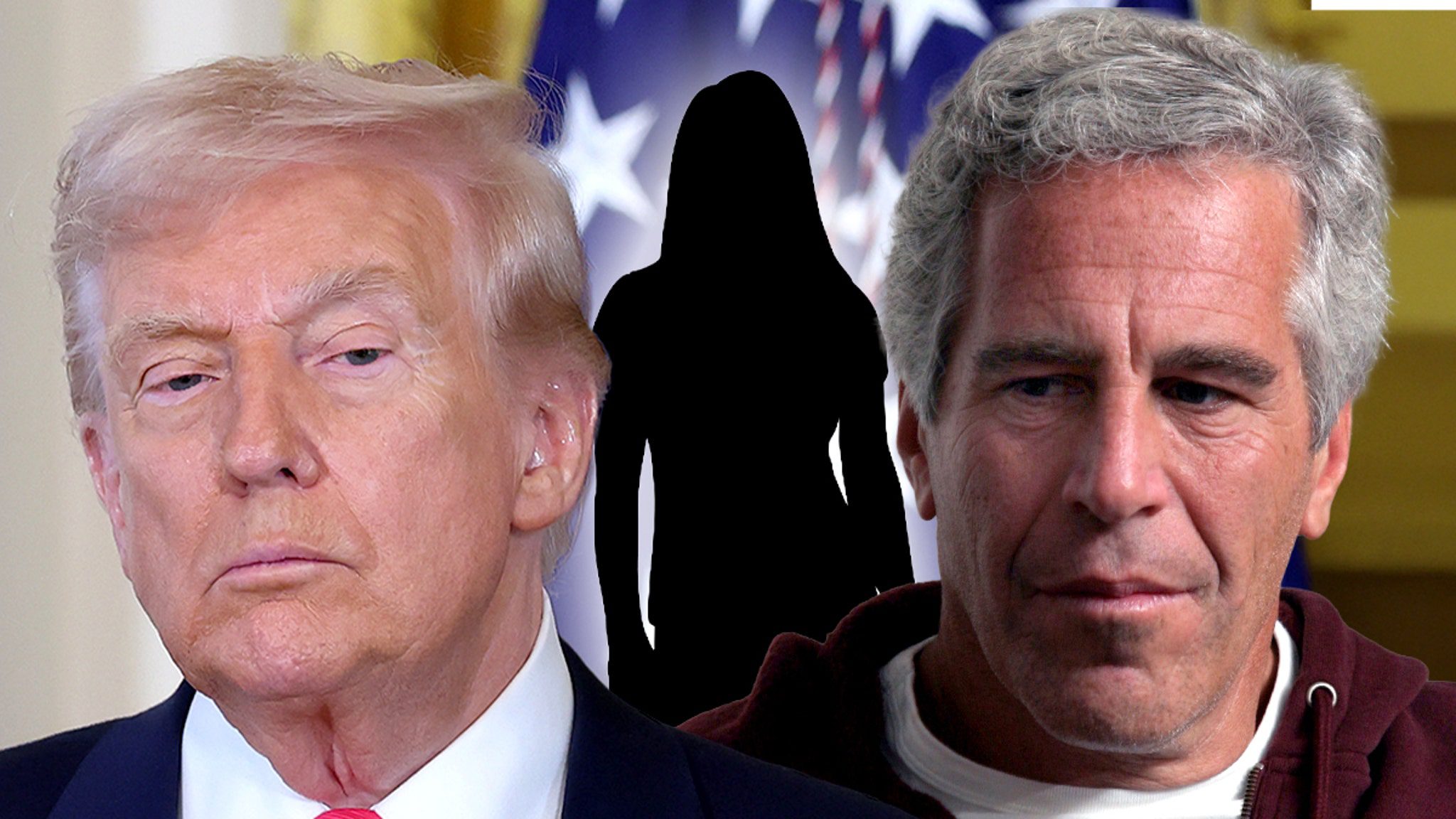
New accusations have emerged from the Jeffrey Epstein files, directly accusing President Donald Trump of rape. An unsealed FBI intake form from October 2020 details claims linking the former President with Epstein in a sexual assault. This constitutes major breaking news, significantly impacting current affairs for news consumers globally, including India.
These revelations heighten scrutiny on prominent figures associated with Epstein. Such serious allegations shape public discourse and political landscapes, maintaining widespread attention and discussion, crucial for today’s updates.
The FBI document quotes a redacted name stating, “Donald J. Trump had raped her along with Jeffrey Epstein.” Another account mentions a limo driver overhearing Trump discuss “abusing some girl” and “Jeffrey.” The alleged victim’s age is undisclosed.
This analysis explores these specific allegations, official responses, and their broader implications for public understanding and legal scrutiny.
Detailed Analysis
The re-emergence of high-profile names within the sprawling Jeffrey Epstein scandal consistently captures global attention, sending ripple effects through political and social spheres. These newly unsealed documents, stemming from an October 2020 FBI intake form, represent a fresh wave of disclosures in a saga that has already implicated numerous powerful figures. The very existence of such an FBI record, detailing specific allegations against a former US President, underscores the far-reaching and unsettling nature of Epstein’s illicit network. For general readers, understanding this context is crucial, as it illustrates how long-standing investigations can suddenly bring forth new information, impacting current affairs and public perception years after initial events.
Jeffrey Epstein’s criminal activities, involving the sexual abuse and trafficking of underage girls, led to his arrest and subsequent death in federal custody, sparking widespread calls for transparency. The legal proceedings against his associate, Ghislaine Maxwell, further solidified the grim reality of the operation and the extensive web of connections Epstein cultivated. Over time, courts have ordered the unsealing of various documents—including depositions, testimonies, and official reports—to illuminate the full scope of Epstein’s activities and alleged accomplices. Each release of these “Epstein files” is met with intense public scrutiny, as global news consumers seek to understand the breadth of influence and identities of those potentially involved. These continuous updates ensure the Epstein case remains a potent and often unsettling presence in today’s news updates.
The unsealed FBI intake form from October 2020 meticulously records multiple claims related to President Donald Trump and Jeffrey Epstein, outlining allegations of extreme gravity. Central to these claims is the assertion by a redacted individual, explicitly stating, “Donald J. Trump had raped her along with Jeffrey Epstein.” This direct accusation, documented within an official FBI intake, marks a significant and deeply concerning development within the broader Epstein narrative. The specific wording attributes culpability to both individuals in a shared act, presenting a stark and serious charge that demands clear understanding from news consumers. The document further notes that a redacted name had initially stated, “he raped me,” referring to Trump, before the more comprehensive accusation was recorded, providing a layered account to the FBI National Threat Operations Center Unit.
Beyond this direct accusation, the FBI report contains additional claims that broaden the scope of Trump’s alleged connections. One unsettling account involves a redacted individual reporting that “she had met a lady who invited her daughters [redacted names] to a fancy hotel and met Donald Trump and some of his friends in 1997.” This claim, while not explicitly detailing sexual assault, points to a potential association between Trump and Epstein’s network involving minors, given the context of the Epstein files. The year 1997 places this alleged interaction well within the timeframe of Epstein’s known criminal activities, adding another layer of concern for those following these current affairs. The lack of clarity regarding the age of the alleged victim in the rape accusations further complicates the narrative, leaving open critical questions for public discussion and legal interpretation.
Another distinct claim documented in the intake report comes from an alleged limo driver in the Dallas/Ft. Worth area. This person claims to have once picked up Trump and taken him to DFW airport, overhearing Trump on a phone call, repeatedly saying “Jeffrey” and making explicit reference to “abusing some girl.” While such an overheard conversation does not constitute direct evidence of a crime, it presents an alleged circumstantial link. For general readers, these distinct pieces of information, though unverified within this specific report, contribute to a complex picture, necessitating a balanced understanding of allegations versus established facts.
The surfacing of allegations against prominent figures like Donald Trump within the Epstein files is not an isolated incident; rather, it reflects a pattern within the broader investigation into Jeffrey Epstein’s network. Over the years, numerous individuals from the worlds of politics, finance, entertainment, and royalty have been named in connection with Epstein, either as associates, alleged participants, or witnesses. These disclosures often arise from unsealed court documents, FBI reports, and witness testimonies, creating a persistent public debate about accountability for the powerful. What makes the current claims against Trump particularly salient is his status as a former US President and a leading political figure, distinguishing these from allegations against less publicly recognized individuals. This highlights the unique political ramifications that accompany such high-profile accusations, especially in a politically charged environment.
The official response to these claims also mirrors a recurring theme in high-stakes investigations. The White House, responding on Trump’s behalf, referred to a DOJ statement asserting that “some of the evidence in the files is sensationalized and false, especially claims ‘made against President Trump that were submitted to the FBI right before the 2020 election.'” This type of response, emphasizing the timing and potential political motivation, is a common defense strategy in cases involving public figures and political campaigns. It aims to cast doubt on the veracity and intent of accusers, a tactic frequently observed in political and legal battles globally. For news consumers, discerning the nuances of these official statements against the backdrop of the allegations themselves is a critical aspect of informed current affairs consumption. The lack of an immediate response from Ghislaine Maxwell’s lawyer, as noted, also aligns with typical legal strategies in complex, ongoing matters.
Furthermore, the legal framework surrounding unsealed documents like the FBI intake form provides crucial context. Such forms are designed to log incoming information, not necessarily to serve as definitive proof of guilt. They represent raw intelligence gathered by authorities, requiring further investigation and corroboration. This distinction is vital for general readers, as unsealed documents often contain a mix of verified facts, unverified claims, and hearsay. The public’s appetite for full transparency in the Epstein case, fueled by the gravity of the underlying crimes, frequently clashes with the cautious and often protracted pace of legal processes. This dynamic impacts public opinion and the perceived credibility of the justice system, making it a critical aspect of international news and today’s updates.
For general readers and news consumers, these new allegations against Donald Trump within the Jeffrey Epstein files offer critical takeaways concerning global current affairs and the justice system. Firstly, they highlight the enduring, complex nature of the Epstein scandal, which continues to unfold years after initial arrests. The piecemeal release of documents ensures this story remains a potent force in public discourse, challenging narratives and demanding renewed attention. Readers should monitor future unsealings or official statements for additional context. Understanding these are allegations recorded in an FBI intake form, not adjudicated facts, is paramount for a balanced perspective. The legal process requires corroboration and formal charges, distinct from initial reports.
Secondly, these revelations underscore the intricate interplay between legal proceedings, political landscapes, and media reporting. The FBI intake form’s timing—prior to the 2020 election—and the White House’s counter-narrative of “sensationalized and false” claims, exemplify how high-profile accusations are often politicized. News consumers, particularly in India, should critically evaluate all information, considering its source and context. The impact on public opinion, voter sentiment, and reputations can be profound, regardless of legal outcomes. This emphasizes judicial transparency in public interest cases. Unsealing documents provides vital information but requires careful interpretation to distinguish claims from truths. Ongoing scrutiny of powerful figures remains crucial for justice, demanding informed public engagement in today’s news updates.
About the Author