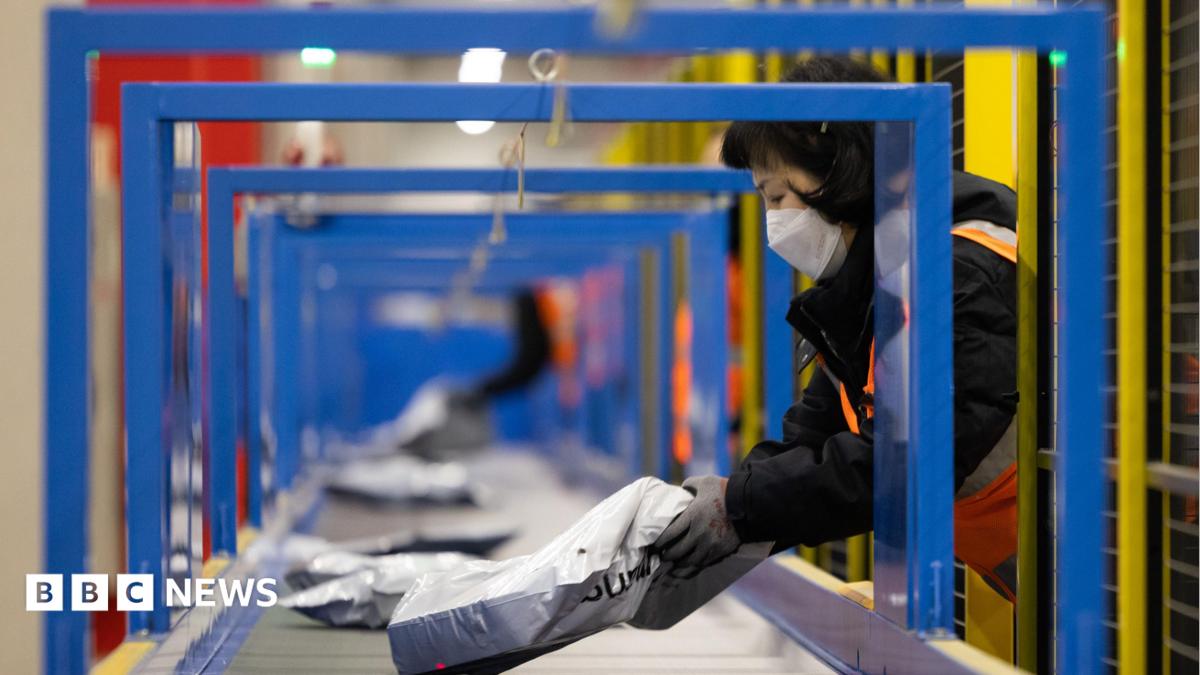
Between 2020 and May 2026, Comwel ruled that 46 warehouse and delivery workers, including Jang, died of a stroke or heart disease that count as work-related deaths. Jang aside, it’s unclear how many of them worked overnight shifts.
Comwel did not say how many of these cases were also investigated for the role of overwork, which only happens if the family asks for it in their claim. And not every case is referred to Comwel in the first place, so the data can be patchy.
Previously Comwel data suggested that day-time delivery workers died of overwork and accidents at a higher rate than those who work overnight.
But that is now questioned by those who say night-time deliveries are expanding fast, and there is not enough data to fully document their impact yet. The workers’ union also argues that the latter is more harmful to health in the long-term.
Night-time work is a probable cause of cancer globally, according to the UN’s cancer research body, external. “Not only that, evidence has been accumulating that it also raises the risk of cardiovascular diseases, diabetes and mental illness,” says Kang Mo-yeol, professor of occupational medicine at the Catholic University of Korea.
South Korea doesn’t limit overnight working hours, unlike in the UK, where night-time delivery drivers cannot work more than 10 out of 24 hours.
The Korean delivery workers’ union called for a ban on overnight deliveries in 2025, but the union for Coupang’s drivers says nearly all of their members prefer working at night.
Some have children, elderly or ill family members to care for during the day and, more importantly, it pays better.
Source: https://www.bbc.co.uk/news/articles/cq6dgz7e4m8o?at_medium=RSS&at_campaign=rss
About the Author