Key Takeaways
Millions of Syrians in Turkey consider returning post-Assad. Explore policy implications, challenges, and evolving dynamics for global political analysts.
Overview
The fall of Bashar al-Assad in December 2024 has triggered a critical re-evaluation among millions of Syrians in Turkey regarding their future. This profound geopolitical event, concluding over a decade of civil war, demands close scrutiny from News Readers, Policy Watchers, Informed Citizens, and Political Analysts, as it fundamentally reshapes regional stability and humanitarian policy.
Turkey, which hosted up to 3.5 million Syrians, has observed over half a million Syrians return since Assad’s ousting. This movement stems from renewed hopes for Syria’s reconstruction and growing pressures within Turkey, including recent policy adjustments like ending free medical care and increasing costs for employing Syrians.
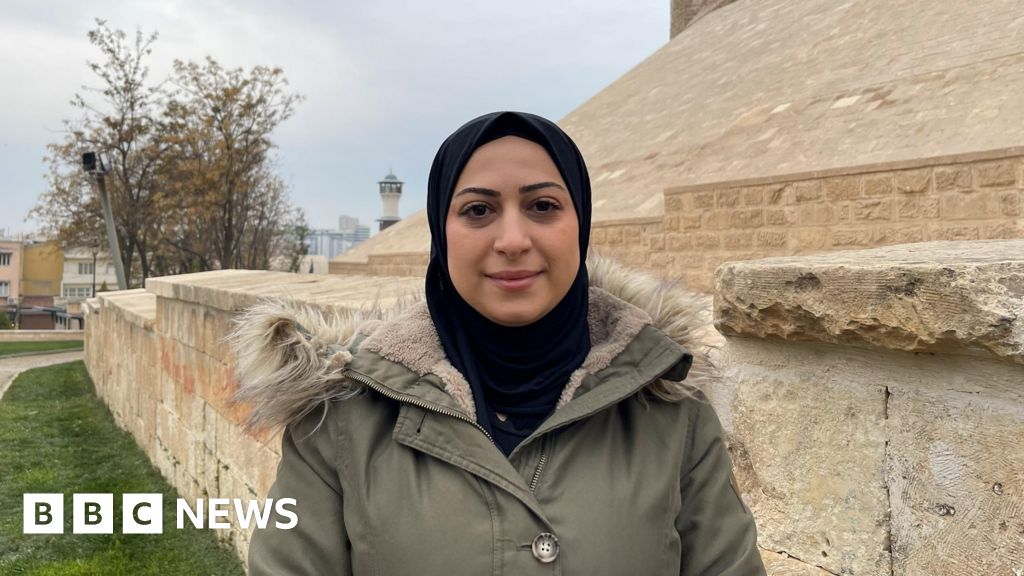
Refugees like Ahmed express optimism for Syria’s rebuilding, yet others, such as Aya Mustafa, highlight practical impediments: widespread destruction, absent basic services, and the controversial leadership of interim President Ahmed Al Sharaa. These varied viewpoints underscore deeply complex return decisions.
A balanced political analysis integrating historical context and diverse stakeholder views is crucial. It helps understand the immediate and long-term policy implications for Syria’s recovery and international refugee management strategies.
Key Data
| Refugee Metric | Pre-Assad Ousting (Peak) | Post-Assad Ousting (Current Trend) | Net Change (Estimated) |
|---|---|---|---|
| Syrians Residing in Turkey | Up to 3.5 Million | Below 3.5 Million | Reduction of >0.5 Million |
| Syrians Repatriated to Syria | Minimal (Pre-Dec 2024) | Over 0.5 Million | Increase of >0.5 Million |
Detailed Analysis
The overthrow of Bashar al-Assad in December 2024 marks a watershed moment for the Middle East, ending decades of authoritarian rule and potentially ushering in a new, albeit uncertain, chapter for Syria. This event follows over 13 years of brutal civil war that displaced millions, with Turkey becoming the largest host country for Syrian refugees. The conflict, which began with peaceful protests in 2011, escalated into a multifaceted proxy war involving numerous international and regional actors, devastating Syria’s infrastructure and societal fabric. For more than a decade, the prospect of safe return remained a distant dream for most exiles. However, the recent regime change has fundamentally altered this calculus, creating a complex interplay of hope, apprehension, and logistical challenges. The narrative now shifts from seeking refuge to contemplating reconstruction and reintegration, placing immense pressure on both the newly formed interim Syrian government and Turkey’s long-strained asylum policies. This historical context is crucial for understanding the present dilemma faced by Syrian families.
The decision to return to Syria is fraught with diverse considerations, as evidenced by individual narratives. Young Syrians like Ahmed, who left at age five, embody the strong pull of homeland and a resilient optimism, asserting that “Syria will be rebuilt and it will be like gold.” This sentiment fuels a desire to save money in Turkey for eventual repatriation. Conversely, older refugees and families with deep roots in Turkey, such as Aya Mustafa, outline the extensive practical challenges. Aya, whose family home in Aleppo is now occupied, points to the “level of destruction” and the lack of basic amenities like electricity, water, and jobs as critical impediments, particularly for elderly or disabled family members. A significant concern also centers on the interim President, Ahmed Al Sharaa, described as a “former senior leader of Al Qaeda who has worked to reinvent his image,” raising questions about security and governance. The unnamed aid organization leader underscored severe problems in the economy, security, education, and health system, highlighting the interim government’s perceived inexperience.
The contrasting perspectives among Syrians in Turkey reveal a fragmented approach to repatriation. While over half a million have returned since Assad’s fall, the motivations vary from strong emotional ties to perceived external pressures. Those eager, like Mahmud Sattouf, cite patriotism, stating, “‘East, west, home is best’,” and express readiness to rebuild. In contrast, families like the aid worker’s remain staunchly against returning, citing persistent issues with security (“Every day there are killings”) and the interim government’s ineffective leadership. This division underscores a key policy implication: “voluntary returns” are complex. Turkish President Recep Tayyip Erdogan officially pledges no forced returns, but bureaucratic changes, such as ending free medical care in January and increased costs for employer permits, create a “waning welcome.” Metin Corabatir of IGAM suggests these factors “cast a shadow over how voluntary returns are.” Turkish presidential and parliamentary elections by 2028 further introduce political uncertainty, potentially reviving “xenophobic rhetoric” and impacting policy towards Syrians.
For News Readers, Policy Watchers, Informed Citizens, and Political Analysts, the Syrian refugee situation in Turkey offers critical insights into post-conflict recovery and international migration policy. The narrative highlights the profound human dimension of political upheaval and the arduous path to rebuilding a nation. Policymakers must weigh the imperative of humanitarian assistance against the challenges of large-scale repatriation and the complex political realities on the ground in Syria. Key metrics to monitor include the stability and effectiveness of Syria’s interim government, the pace of reconstruction efforts, and changes in Turkey’s refugee policies, particularly leading up to its 2028 elections. The long-term implications involve regional stability, the potential for new migration patterns, and the ongoing debate surrounding the ethics of refugee returns, especially when economic and security conditions remain precarious. This unfolding situation will serve as a significant case study in global affairs and policy implementation.
About the Author