Key Takeaways
Syria conflict escalates in Aleppo, raising geopolitical risk for global markets. Investors must assess market volatility, commodity impacts, and portfolio strategies for 2026.
Overview
Renewed military offensives by the Syrian army in Aleppo’s Sheikh Maqsud district, following the rejection of ceasefire terms by Kurdish groups, introduce heightened geopolitical uncertainty into the global investment landscape. This development demands careful scrutiny from Retail Investors, Swing Traders, Long-term Investors, and Finance Professionals navigating the complexities of the 2026 Stock Market India outlook.
Such geopolitical flashpoints, while geographically distant, often trigger shifts in market sentiment and risk assessment across various asset classes. Investors must consider the potential for indirect impacts on global commodity prices and emerging market stability, influencing broader investment strategies and financial analysis.
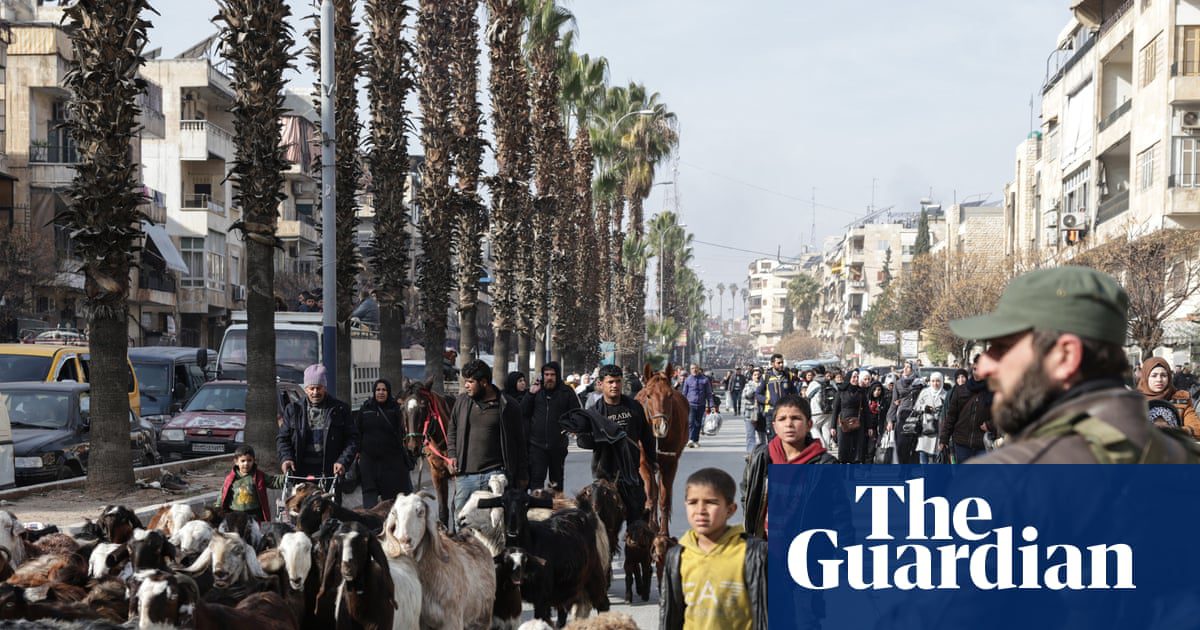
The escalation follows reports of at least 21 deaths and tens of thousands displaced in recent days, marking the most intense fighting in six months. Kurdish councils labeled withdrawal demands as “a call to surrender,” hardening positions.
This article provides a deeper analysis of the conflict’s dynamics and its potential, albeit indirect, implications for global risk premiums and investor decision-making in the current trading environment.
Detailed Analysis
The latest escalation in Aleppo underscores the persistent nature of geopolitical risks that demand vigilance from investors worldwide. For seasoned professionals and retail investors alike, understanding these dynamics is crucial for portfolio hedging and strategic asset allocation. Historically, regional conflicts, even those without direct economic targets, have contributed to heightened market volatility, particularly impacting global oil prices and defense sector valuations. The recent fighting in the Kurdish-majority Sheikh Maqsud district of Aleppo represents a significant setback to peace efforts initiated last March, when the Syrian government and Kurdish forces attempted to integrate Kurdish administration and military into the Syrian new government. This latest bout of hostilities, which caused at least 21 fatalities and displaced tens of thousands, is described as the most intense in the country for over six months, signaling a concerning return to significant armed confrontation.
The Syrian army’s announcement of renewed attacks follows the Kurdish groups’ categorical rejection of a ceasefire. The government had proposed a humanitarian corridor from 4pm to 6pm, alongside terms demanding Kurdish fighters withdraw from Sheikh Maqsud, Ashrafieh, and Bani Zaid districts, offering safe passage to the north-east with light arms. Kurdish councils viewed this as “a call to surrender,” vowing to defend their neighborhoods and accusing government forces of intensive shelling. This firm stance by Kurdish forces, particularly the US-backed Syrian Democratic Forces (SDF), highlights a fundamental disagreement over autonomy versus centralized state control, a key geopolitical fault line. The failure to implement the earlier deal for SDF integration into the Syrian army by year-end further exacerbates tensions. From an investment perspective, such unresolved political impasses in key regions contribute to uncertainty, potentially impacting perceived risk premiums in global equities and the broader financial analysis of emerging market stability.
The deepening chasm between the Syrian government and the SDF presents a complex challenge. Damascus views the SDF as a separatist threat, while the SDF perceives the new government as “jihadists” endangering minorities. This ideological and territorial conflict, exacerbated by external support for the SDF from the US and Turkey’s opposition (viewing SDF as an extension of PKK), creates a volatile regional dynamic. Such prolonged instability in the Middle East has historically influenced global commodity markets, particularly crude oil, due to transit routes and regional production, although direct impacts from Aleppo are limited. Furthermore, the conflict’s potential to draw in regional powers like Turkey, which has offered assistance to the Syrian government, could amplify geopolitical tensions, a factor that swing traders and long-term investors must continuously monitor for broader market implications and for their financial analysis of global supply chains.
For Retail Investors and Finance Professionals, the renewed Syrian conflict underscores the critical need for robust geopolitical risk assessment within their investment frameworks. While direct financial metrics tied to the Aleppo fighting are not immediately apparent, the broader implications of instability in a historically significant region cannot be overlooked. Investors should particularly monitor global energy prices for any ripple effects, and consider the potential for increased volatility in emerging markets that are sensitive to international political shifts. Diversification strategies and a keen eye on global macroeconomic indicators remain paramount. The statements from SDF leader Mazloum Abdi about undermining “chances of reaching understandings” suggest ongoing vigilance is required. The lack of a resolution demands a disciplined approach to managing exposure to geopolitical uncertainties, impacting both short-term trading decisions and long-term investment planning.
About the Author