Key Takeaways
Police identify the first four victims of the tragic Swiss ski resort fire on New Year’s Eve. Learn about the ongoing investigation and community impact in today’s updates.
Overview
Authorities have officially identified the first four victims of the devastating Swiss ski resort fire that occurred on New Year’s Eve. This development offers a painful but crucial step for families awaiting news amidst the unfolding tragedy, capturing significant attention in India News and Current Affairs globally.
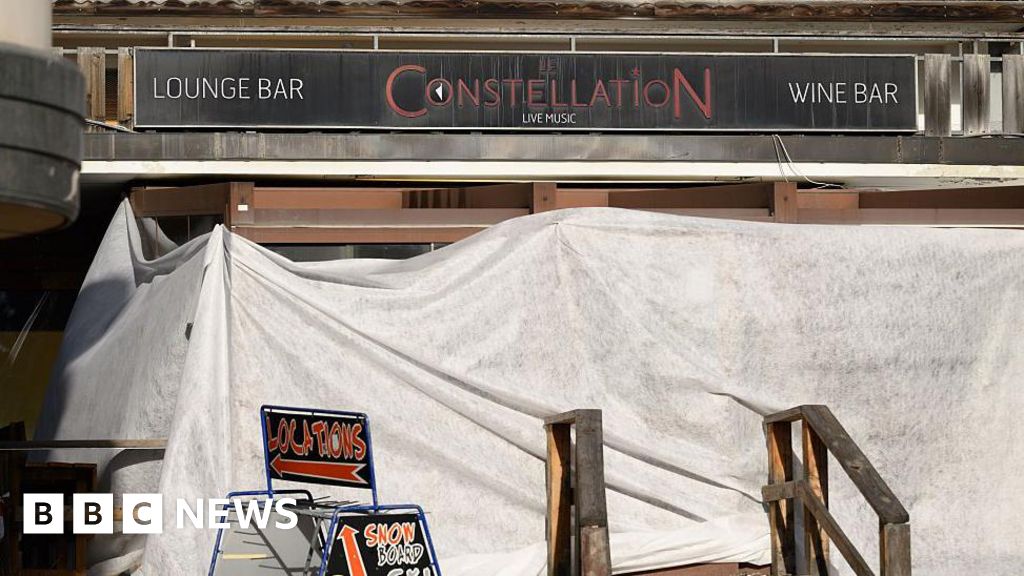
The blaze, which ripped through a bar in Crans-Montana, resulted in a tragic loss of 40 lives and left 119 others injured. The complexity of the incident highlights the challenges faced by emergency services in large-scale disasters, with investigations ongoing into the causes and implications.
Police confirmed the identified victims include two Swiss women, aged 21 and 16, and two Swiss men, aged 18 and 16. Their bodies have been returned to their grieving families, following extensive forensic work.
As identification efforts continue for the remaining casualties, the incident serves as a stark reminder of the importance of safety measures, dominating today’s updates on international breaking news.
Detailed Analysis
The tragic fire at Le Constellation in the Swiss ski resort of Crans-Montana on New Year’s Eve has deeply impacted communities, both locally and internationally. While the initial shock of the incident has begun to subside, the painstaking process of identifying the deceased underscores the profound human cost of such disasters. This event tragically unfolded during a festive period, turning celebration into an unimaginable loss, a situation that resonates with news consumers seeking to understand the scale of such widespread current affairs.
Police in Valais cantonal have confirmed the identification of the first four victims: two Swiss women, aged 21 and 16, and two Swiss men, aged 18 and 16. This crucial step, made possible by extensive work from officers and the Institute of Forensic Medicine, allows these families to begin the grieving process. However, for many others, the agonizing wait for information about the remaining 36 missing individuals continues. The scale of the disaster, with 40 fatalities and 119 injuries, prompted Swiss President Guy Parmelin to describe it as “one of the worst tragedies” the country has experienced, signaling its severe impact on national consciousness.
Preliminary investigations suggest the likely cause of the fire was sparklers on champagne bottles carried too close to the ceiling. This detail points to a critical area for comparative analysis regarding public safety in hospitality venues, especially those catering to large crowds during peak seasons. Such incidents often bring into sharp focus the balance between celebratory practices and stringent fire safety regulations. While no specific regulatory changes have been announced, this incident could prompt a re-evaluation of safety protocols, particularly concerning pyrotechnic use in enclosed spaces, potentially leading to updated guidelines in similar establishments worldwide. The event also highlights the complexities of victim identification in large-scale fire incidents, where traditional methods are often supplemented by advanced forensic techniques.
For general readers and news consumers, the Crans-Montana fire highlights the immediate and long-term consequences of such a catastrophe. Beyond the official numbers, the story is one of profound personal loss for families and a shared sense of grief for a nation. It serves as a stark reminder of the unforeseen risks in public spaces, particularly during festive gatherings. As the investigation progresses, the focus will undoubtedly shift towards understanding not only the precise cause but also how future tragedies might be prevented. Upcoming reports from Swiss authorities on the full investigation and any potential safety recommendations will be crucial metrics to monitor for anyone following these today updates on current affairs.
About the Author