Key Takeaways
NFL’s 2025 Christmas Day games see star QBs sidelined, impacting streaming revenue for platforms like Netflix. Get expert financial analysis and investment implications.
Overview
The projected streaming revenue for Netflix from the NFL’s 2025 Christmas Day games is under scrutiny, with star quarterback injuries significantly diluting key divisional matchups. This unexpected factor impacts media sector valuations.
Retail investors and swing traders must reassess short-term viewership and advertising revenue projections. Finance professionals will closely monitor subscriber engagement and market sentiment for streaming platforms.
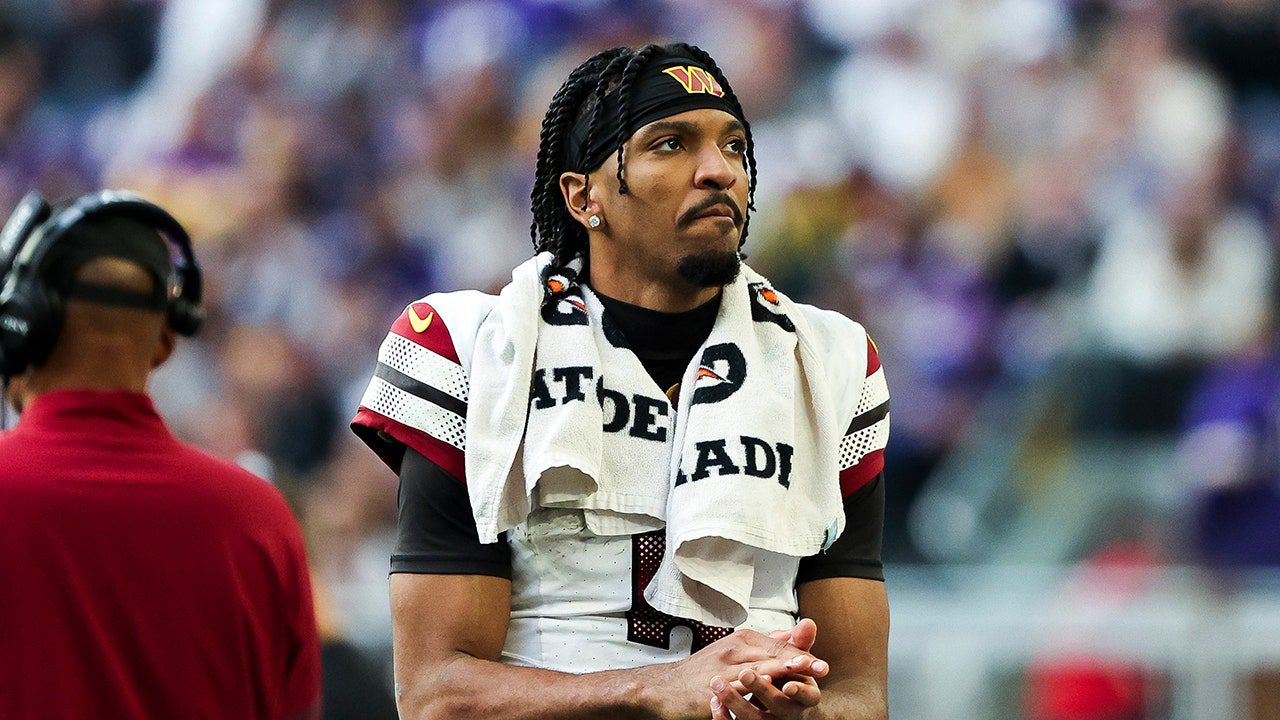
Key players Jayden Daniels, J.J. McCarthy, and Patrick Mahomes are sidelined. Backups now start for the Commanders, Vikings, and Chiefs, diminishing the holiday broadcast spectacle and audience interest.
This analysis explores broader implications for streaming profitability and key metrics for investors.
Detailed Analysis
The evolving landscape of media consumption has seen streaming giants increasingly vie for lucrative live sports broadcasting rights. Historically, marquee sporting events, particularly those scheduled on high-traffic holidays such as Christmas Day, represent a significant financial investment for platforms like Netflix. These events are not merely content; they are strategic assets designed to drive subscriber acquisition, reduce churn, and command premium advertising rates. The NFL, recognizing this market dynamic, strategically schedules high-stakes divisional rivalries to maximize viewership. The 2025 Christmas Day lineup initially promised compelling matchups, positioning these broadcasts as potential catalysts for year-end streaming revenue growth. However, the inherent volatility of professional sports, particularly player health, introduces unforeseen risks into these significant content investments, directly impacting anticipated returns for media conglomerates.
The 2025 Christmas Day NFL schedule, a key pillar for Netflix’s Q4 content strategy, faces substantial dilution due to critical player injuries. The Washington Commanders-Dallas Cowboys game diminishes significantly in appeal with Commanders’ second-year quarterback, Jayden Daniels, sidelined by an elbow injury, along with backup Marcus Mariota. Veteran Josh Johnson now starts for a 4-11 team. The Detroit Lions-Minnesota Vikings rivalry also suffers, as Vikings’ second-year signal-caller J.J. McCarthy is injured, replaced by Max Brosmer. Most crucially for anticipated streaming revenue, the Kansas City Chiefs-Denver Broncos matchup is severely impacted. Star quarterback Patrick Mahomes suffered a torn ACL, followed by his backup Gardner Minshew. This leaves USF alum Chris Oladokun starting against a playoff-bound 12-3 Broncos squad. These pervasive quarterback injuries directly diminish the competitive intensity and perceived value of these primetime holiday broadcasts.
This scenario offers a stark contrast to initial market expectations where live sports content is touted as a robust driver for subscriber growth and retention. While specific viewership metrics are not yet available, the qualitative impact of star player absences on audience engagement for streaming revenue is undeniable. In a competitive landscape where platforms aggressively bid for exclusive rights, the perceived ‘value for money’ of such agreements comes under scrutiny when key assets like star quarterbacks are compromised. Unlike scripted content, where changes can be mitigated, live sports face immediate, unrecoverable impacts from injuries. This highlights inherent risks in sports media investments, potentially benefiting competitors with more stable holiday content.
For retail investors and swing traders, the immediate takeaway is to monitor Q4 subscriber reports and advertising revenue guidance from Netflix and major media players. Unexpected dips in engagement could trigger short-term price volatility. Long-term investors should evaluate the broader strategy of live sports investments, recognizing inherent risks associated with high-value, talent-dependent content. This situation prompts a re-evaluation of content diversification strategies. Finance professionals will assess how unforeseen events are factored into valuation models for media stocks. Investors should watch for comments on Q4 performance during upcoming earnings calls and any adjustments to forward-looking financial analysis related to live sports content.
About the Author