Key Takeaways
Grey’s Anatomy star Steven W. Bailey opens up about his rare neuromuscular disorder, CMS. Discover his journey, career impact, and Hollywood’s evolving inclusivity.
Overview
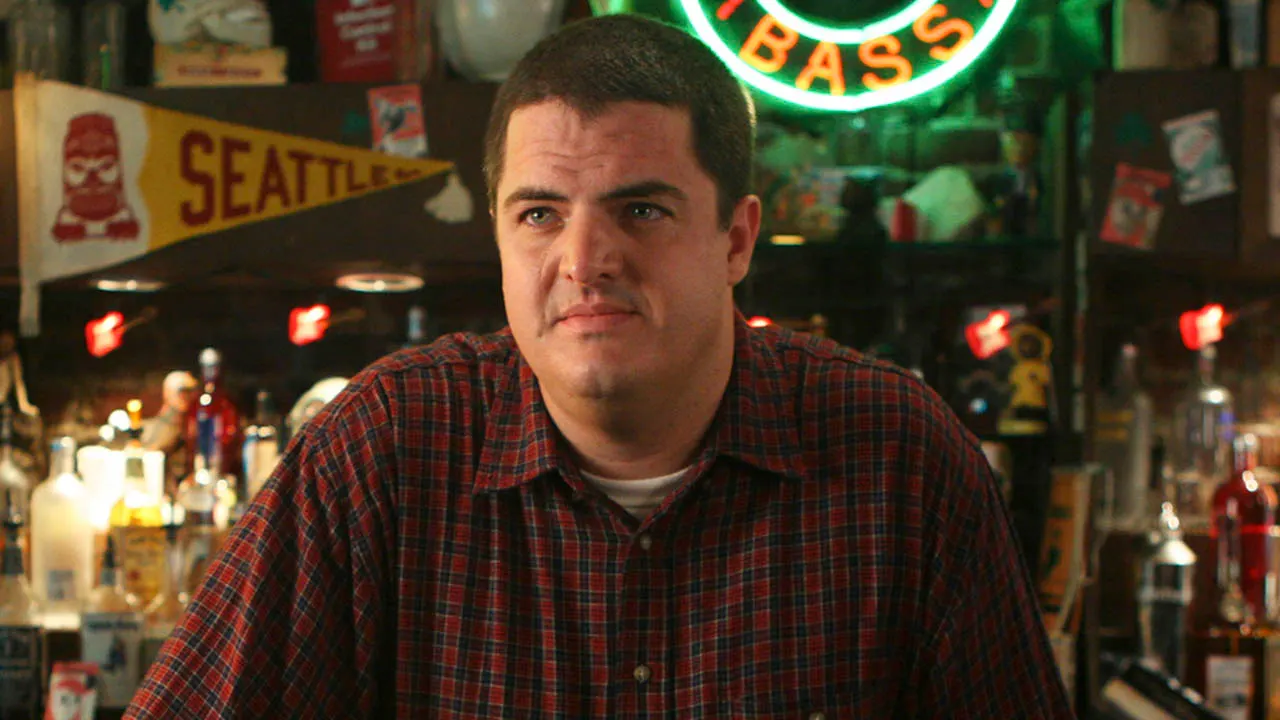
Steven W. Bailey, widely recognized by fans as Joe the bartender from the hit medical drama “Grey’s Anatomy,” has bravely shared his personal battle with a rare neuromuscular disorder. This revelation has sent ripples through the entertainment community, sparking conversations among pop culture enthusiasts and Hollywood circles.
The 54-year-old actor recently took to social media platform X to open up about his diagnosis of Congenital Myasthenic Syndrome (CMS), a condition he has quietly managed for over five years. His candor sheds light on the unseen challenges many face, even in the glittering world of Hollywood, and highlights a growing trend of celebrities fostering vulnerability.
Bailey, a beloved figure from seasons one through seven of “Grey’s Anatomy,” explained that CMS affects muscle communication, leading to weakness exacerbated by physical activity. He revealed the condition has necessitated the increasing use of a powered wheelchair, marking a significant shift in his daily life and professional aspirations.
This candid disclosure sets the stage for a deeper dive into the cultural impact of his journey and how it reflects broader shifts in the entertainment industry toward greater inclusivity and authenticity, resonating deeply with fans and fellow artists alike.
Detailed Analysis
Steven W. Bailey’s journey as Joe, the affable owner of Emerald City Bar in “Grey’s Anatomy,” made him a comforting constant in the chaotic lives of Seattle Grace’s doctors. His warm presence resonated with millions, creating a bond that extends beyond the screen. Now, his courageous decision to publicly disclose his five-year battle with Congenital Myasthenic Syndrome (CMS) isn’t just a personal update; it’s a powerful moment for Hollywood and its audience. This openness aligns with a growing trend where entertainment figures, from Bollywood to Hollywood, share their health realities, moving away from past stigmas and fostering a more empathetic connection with fans across various pop culture fandoms. Bailey’s voice adds to a chorus promoting authenticity and understanding in an industry often perceived as flawless.
CMS, as described by the Mayo Clinic and echoed by Bailey, is a “group of rare hereditary conditions caused by a gene change that results in muscle weakness, which worsens with physical activity.” This means even simple, sustained movements become challenging. Bailey humorously noted it helps him avoid chores but underscored the serious downsides, like increasing difficulty with walking. He detailed how the condition disrupts the “nerve/muscle junction,” making his muscles less responsive to brain signals, especially in his hands, arms, and legs. This diagnosis, kept private for years due to “career caution” and diagnostic uncertainty, highlights the immense pressure actors face. His decision to finally go public is a testament to his strength and a bold step for a Hollywood actor, showing that vulnerability can be a powerful asset.
Bailey’s candid account prompts a look at how other prominent figures within the entertainment industry, both internationally and in Entertainment India, have handled personal health revelations. His proactive approach contrasts with past eras where such information was often shrouded in secrecy, fearing career repercussions. Today, there’s a discernible shift towards greater transparency and support, as evidenced by how fans and colleagues often rally around stars sharing their struggles. This isn’t just about personal well-being; it’s about shifting cultural narratives, influencing how disability is perceived and represented in movies and television. By embracing his condition and aiming for wheelchair-based roles, Bailey actively challenges traditional casting norms, mirroring the industry’s broader push for diverse storytelling that authentically reflects the world we live in.
For entertainment enthusiasts and pop culture fans, Steven W. Bailey’s story is more than just celebrity news; it’s an inspiring narrative about resilience and adaptation. His commitment to continuing his craft, even if it means transitioning to “wheelchair-based” roles, sends a vital message about the enduring spirit of an artist. It also encourages the industry to create more opportunities for actors with disabilities, paving the way for a richer, more representative cinematic landscape, from Bollywood productions to major Hollywood releases. Fans can look forward to seeing how Bailey’s journey influences future casting decisions and promotes a wider understanding of neuromuscular disorders. His final words — “Same guy. Same actor. Same artist. Now with wheels” — encapsulate a powerful, forward-looking message of acceptance and artistic evolution that resonates deeply across the global entertainment spectrum.
About the Author