Key Takeaways
Israel’s recognition of Somaliland promises expanded technology cooperation. Discover new innovation horizons, startup opportunities, and digital infrastructure potential for 2025.
Overview
In a significant geopolitical shift with profound technological implications, Israel has formally recognised Somaliland as an independent nation, marking a pivotal moment for innovation. Prime Minister Benjamin Netanyahu announced Israel’s intent to immediately expand cooperation across key sectors, most notably technology.
For Tech Enthusiasts, Innovators, Early Adopters, Developers, and Startup Founders, this development signals the potential unlocking of new frontiers for digital transformation and cross-border tech partnerships. It opens a previously isolated region to modern technological advancements and strategic investment.
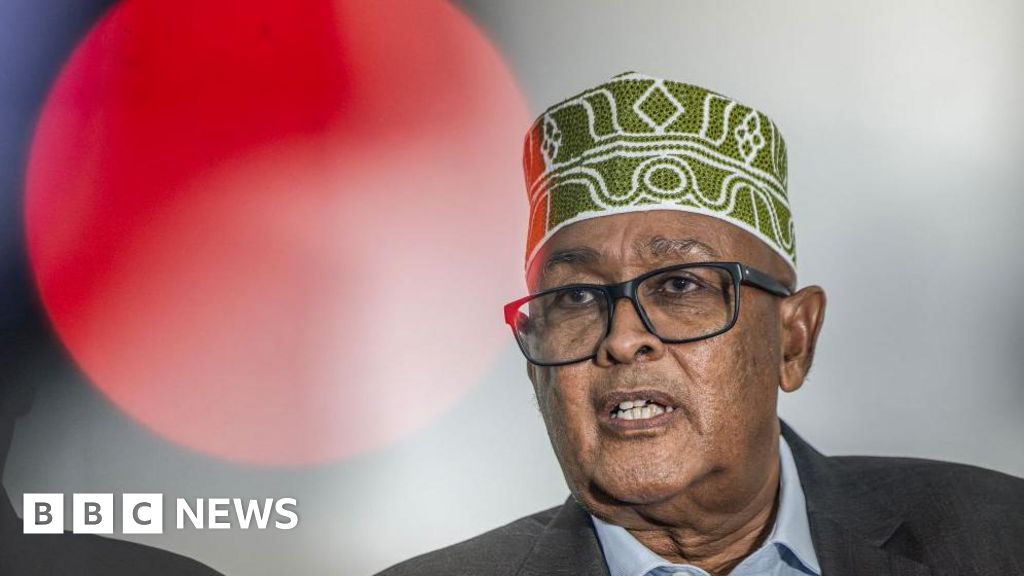
The declaration specifies expanded collaboration in agriculture, health, and technology, alongside a commitment to establish full diplomatic ties, including embassies. Somaliland’s president, Abdirahman Mohamed Abdullahi, termed this a “historic moment” that could boost the region’s diplomatic standing and access to international markets.
This analysis delves into the short-term, medium-term, and long-term implications of this diplomatic breakthrough for the global tech landscape, particularly for startup ecosystems and digital infrastructure development.
Detailed Analysis
Diplomatic shifts often serve as unexpected catalysts for technological advancement and market expansion, and the recent recognition of Somaliland by Israel presents a unique case study for global innovation. Historically, Somaliland’s decades-long isolation, despite its self-declared independence since 1991, has limited its integration into the global economy and, consequently, its technological development. This new bilateral relationship, highlighted by Israel’s immediate intent to foster cooperation in technology, agriculture, and health, signals a potential greenfield for digital innovation and infrastructure build-out, drawing significant attention from forward-thinking tech communities.
From an innovation perspective, the stated commitment to “expand cooperation in technology” opens multiple avenues. Given Israel’s prominence as a global tech hub, this could translate into significant knowledge transfer, investment in nascent digital infrastructure, and the introduction of advanced technological solutions. Potential areas include the deployment of robust internet connectivity, critical for any modern economy, especially leveraging Somaliland’s strategic position on the Gulf of Aden for undersea cable landing points and data transit routes. Furthermore, the focus on agritech could drive innovations in sustainable farming practices, crucial for a region with distinct environmental challenges, while health tech could revolutionize healthcare delivery through telemedicine, digital health records, and AI-powered diagnostics. For developers, this represents a unique opportunity to build solutions for a less saturated market, tackling real-world problems with impactful technological interventions.
Comparing this emerging tech frontier to other developing markets, Somaliland’s clean slate offers both advantages and challenges. Unlike regions with entrenched legacy systems, there is an opportunity for rapid adoption of cutting-edge technologies, potentially leapfrogging older stages of development. However, the absence of established regulatory frameworks, skilled tech talent pools, and mature venture capital ecosystems presents hurdles. Nevertheless, the Israeli partnership, combined with Somaliland’s strategic port access, could attract international investments for digital infrastructure, potentially establishing the region as a logistical and data hub in East Africa. This diplomatic step could foster an environment conducive to startup growth, particularly for ventures focused on cross-border solutions, and encourage a competitive landscape that drives innovation across multiple sectors.
For Tech Enthusiasts, Innovators, Early Adopters, Developers, and Startup Founders, this development offers intriguing prospects. It signals the opening of a new market for technology deployment and co-creation, particularly for solutions in niche areas like smart agriculture, digital health, and regional connectivity. Startup founders should monitor the unfolding diplomatic ties for specific partnership agreements, infrastructure development projects, and any announced funding initiatives that could support early-stage ventures in Somaliland. Developers might find opportunities in building tailored software solutions for local needs, while investors could eye early-stage tech companies or infrastructure plays in this newly recognized nation. The long-term implications could see Somaliland transform into a significant node for Technology India and global tech collaborations, underscoring the broader impact of geopolitics on the trajectory of innovation.
About the Author