Key Takeaways
Explore how digital platforms like X amplify political criticism, affecting public figures and discourse. Analyze tech implications for sentiment and reputation management.
Overview
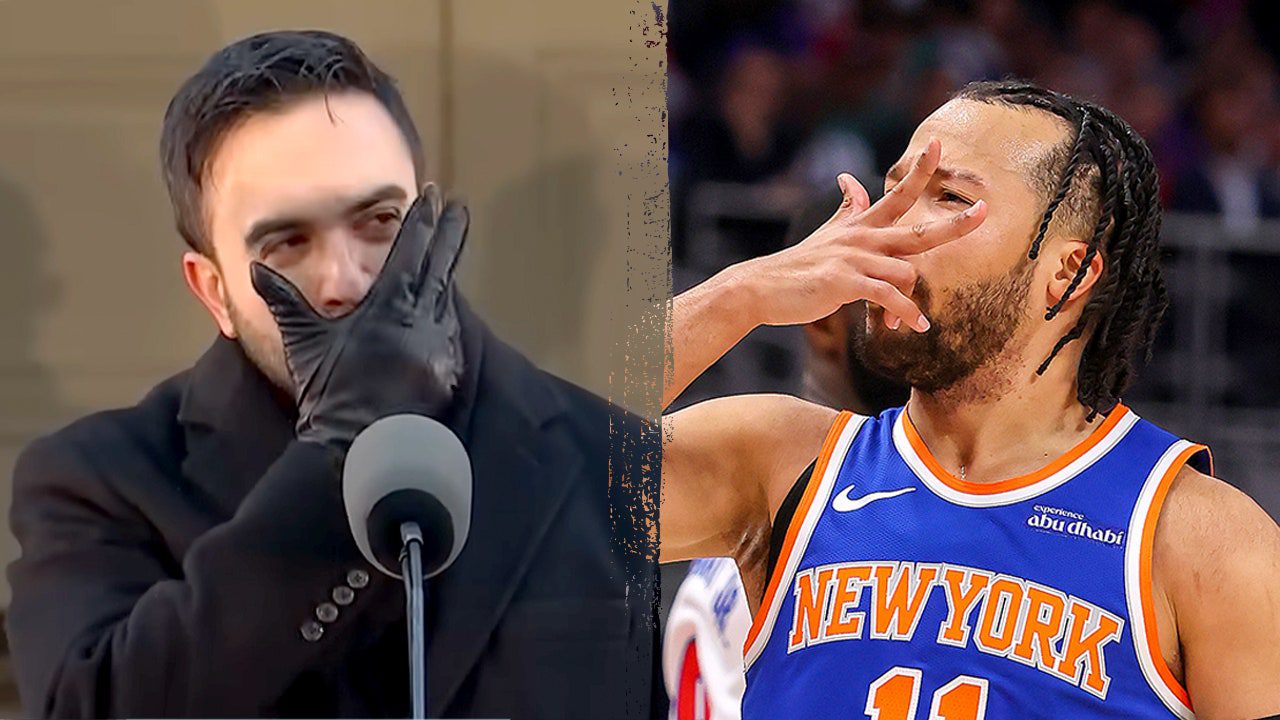
In an era dominated by instantaneous digital feedback, New York City Mayor Zoran Mamdani’s inaugural speech gesture, mimicking Knicks star Jalen Brunson, quickly ignited a firestorm of social media criticism. This event serves as a sharp case study for Tech Enthusiasts, Innovators, and Developers on the profound influence of digital platforms in shaping public perception of political figures and their actions in real-time.
The rapid dissemination of images and opinions across platforms like X (formerly Twitter) underscores the immediate and often polarized nature of online discourse. This digital dynamic presents both challenges and opportunities for Technology India as we observe global trends in online interaction.
While some Knicks fans appreciated the gesture, the wider response quickly veered into criticism of Mamdani’s political agenda, amplified by various digital personalities. The situation also highlighted a past instance where the Knicks organization issued a cease-and-desist letter to Mamdani’s campaign for using a logo similar to the team’s on Instagram.
Understanding these digital currents is crucial for Startup Founders and Developers keen on building resilient platforms and sophisticated tools for sentiment analysis and reputation management in the evolving landscape of tech news.
Detailed Analysis
The proliferation of digital platforms has fundamentally transformed the landscape of public communication, establishing social media as an inescapable arena for political discourse and public scrutiny. Historically, political messaging was curated through traditional media outlets, allowing for a more controlled narrative. Today, platforms like X (formerly Twitter) provide an instant, unmediated conduit for reactions, turning every public act into a potential viral phenomenon. This shift presents a constant challenge for public figures, where even seemingly innocuous gestures can be stripped of context and subjected to intense, often polarized, debate. The incident involving Mayor Mamdani exemplifies this new reality, showcasing how quickly a moment can transition from a localized event to a widespread digital conversation, shaping reputations and influencing public opinion in an almost unparalleled fashion.
The detailed analysis of Mamdani’s gesture during his inaugural speech reveals the intricate mechanics of online reactions. His reference to Jalen Brunson, coupled with a signature celebration, was immediately captured and shared across social media. This led to a barrage of “mixed responses,” with images of the moment circulating widely. While a segment of Knicks fans expressed appreciation, a significant portion of the online community used the platform to voice criticism, often redirecting the conversation towards Mamdani’s broader democratic socialist agenda. Prominent digital voices like former NFL player Chris Manno and the cryptocurrency influencer account Dr. Evil of Crypto quickly weighed in on X, offering strong condemnations. Local aggregators such as City Desk NYC further amplified this criticism, labeling the act as “clown behavior” and contrasting it with Brunson’s performance. These examples underscore how social media facilitates rapid, often unnuanced, public feedback, creating immediate digital reverberations for political figures.
This case aligns with a broader trend of public figures facing rapid, widespread digital scrutiny amplified by sophisticated tech platforms. Compared to traditional media cycles, which allowed for deliberation and measured responses, the current digital ecosystem demands instant engagement, often fostering a culture of immediate judgment. For developers and innovators, this highlights the pressing need for advanced tools in sentiment analysis, capable of deciphering complex public reactions beyond simple positive or negative metrics. Furthermore, the incident involving the Knicks’ cease-and-desist letter for logo usage underscores critical issues in intellectual property in the digital domain, a constant challenge for platform governance and content moderation teams. This comparative perspective reveals an evolving digital environment where every action of a public figure is scrutinized through the dual lenses of public opinion and platform policy.
For Tech Enthusiasts, Innovators, Early Adopters, Developers, and Startup Founders, this incident provides valuable insights into the future trajectory of digital communication and reputation management. There is an emerging opportunity for AI and Innovation to develop more sophisticated sentiment analysis engines that can differentiate genuine public sentiment from coordinated online campaigns or misinterpretations. Startups can focus on creating new software solutions for digital crisis management, offering public figures real-time monitoring and strategic response capabilities. Furthermore, developers are challenged to design platforms that encourage more constructive civic engagement, moving beyond the current landscape dominated by instant reactions and polarized viewpoints. The evolution of online discourse, particularly in the intersection of politics and public figures, represents a fertile ground for impactful tech innovation in the years to come.
About the Author