Key Takeaways
In a heartwarming India News update, a Sikh woman donates land for a mosque in Punjab. Discover this inspiring tale of interfaith unity and community spirit.
Overview
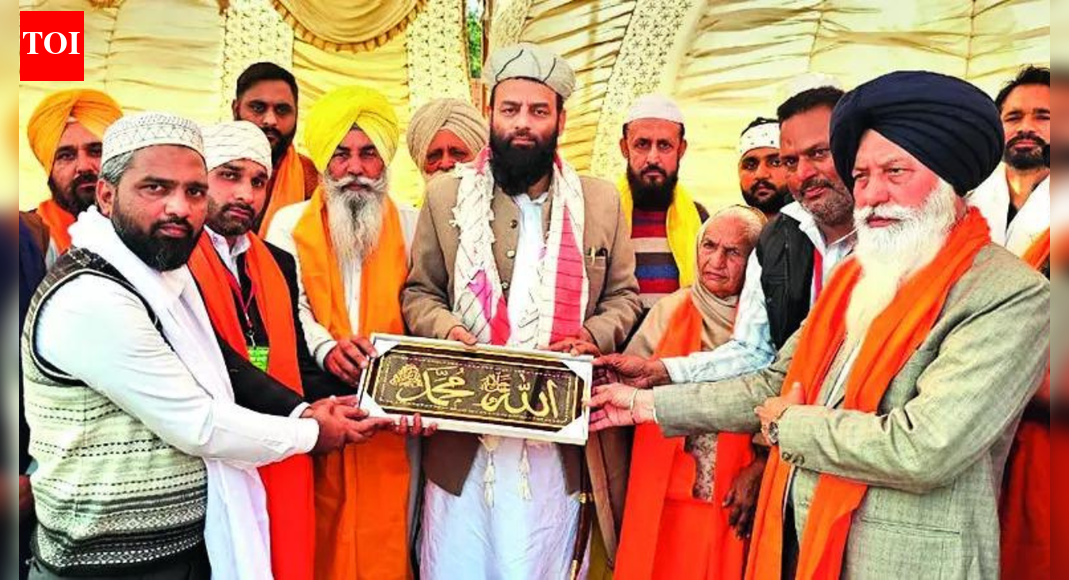
In a truly heartwarming demonstration of interfaith coexistence, a 75-year-old Sikh woman in Punjab has donated land for the construction of a mosque in Jakhwali village, Fatehgarh Sahib district. This inspiring act, coming amidst broader discussions on social cohesion in India, showcases the deep-rooted unity within local communities.
The gesture, approximately 55km from Chandigarh, highlights how neighbours transcend religious lines. Sikh and Hindu families have also contributed financially to the project, embodying a spirit of mutual respect and cooperation that has thrived for generations in this diverse village.
Bibi Rajinder Kaur donated five marlas of land (around 1,360 sqft) for the mosque, addressing a long-felt need for the local Muslim community who previously traveled to the next village for namaz. Villagers have already collected around Rs 3.5 lakh for construction.
This initiative serves as a powerful testament to India’s pluralistic fabric, offering a model of communal harmony for others to emulate as construction is expected to complete by February.
Detailed Analysis
Jakhwali village, situated approximately 55 kilometres from the bustling city of Chandigarh in Punjab’s Fatehgarh Sahib district, embodies a unique microcosm of India’s diverse social fabric. With a significant Sikh majority comprising 400-500 families, the village also hosts a sizable Hindu population of around 150 families and about 100 Muslim families. This demographic mix is not merely statistical; it represents generations living side-by-side, sharing common traditions and celebrating each other’s festivals. While the village proudly features a gurdwara and a Shiva temple, the absence of a dedicated mosque had long been a practical challenge for its Muslim residents, requiring them to travel to an adjacent village for daily prayers. This enduring need, unmet at the panchayat level, set the stage for an extraordinary act of kindness that now resonates across India. The historical context of Punjab often highlights its pluralistic ethos, where communities have traditionally coexisted and supported each other through various social and economic undertakings. This specific incident in Jakhwali reaffirms this long-standing legacy of unity, providing a tangible example of interfaith cooperation in current affairs.
At the heart of this remarkable gesture is Bibi Rajinder Kaur, a 75-year-old Sikh woman whose compassion sparked the initiative. Recognizing the inconvenience faced by her Muslim neighbours, she volunteered to donate five marlas of her own land, roughly equivalent to 1,360 square feet, to establish a local mosque. Her motivation was simple and profound: “I thought of giving them five marlas of land so that they have a place to pray. We feel very happy that they will be happy.” This act of generosity was not an isolated decision but a family consensus, with discussions ensuring the chosen plot was suitable and strategically located near other existing shrines. Her grandson, Satnam Singh, emphasized the familial bond shared by all communities, stating they live “like brothers” and contribute to each other’s religious events. Monu Singh, a village panch and Satnam’s brother, explained that government land allocation for religious structures is often restricted, making private donation a vital pathway. The decision to register the land directly in the mosque committee’s name underscores the family’s clear intent and trust in the community.
The spirit of Jakhwali stands as a powerful counter-narrative to instances of discord sometimes highlighted in national discourse, offering a beacon of balanced news analysis for India. This concerted community effort, where a Sikh woman donates land and Hindu families contribute financially alongside Sikh residents, illustrates a form of organic, grassroots communal harmony that often goes unnoticed. Former sarpanch and BJP leader Ajaib Singh recalled previous instances of cross-community support, such as contributions from Muslims and Sikhs during the temple’s construction, and unified backing for the gurdwara. These historical precedents demonstrate a consistent pattern of mutual aid and respect, rather than an isolated event. This collective commitment, extending “till the last brick is laid,” as Ajaib Singh remarked, showcases a model where civic responsibility and religious tolerance converge. The ongoing collection of approximately Rs 3.5 lakh for the mosque’s construction, with participation from all faiths, further solidifies this shared commitment, making it a compelling story of current affairs in India.
For general readers and news consumers, the Jakhwali story offers profound insights into the enduring strength of India’s pluralistic values. It highlights that beyond national headlines, communities on the ground actively build and maintain strong bonds through acts of generosity and mutual respect. This incident, celebrated by Punjab Shahi Imam Maulana Usman Ludhianvi as a hallmark of the state’s communal harmony, provides an inspiring example of how practical empathy can overcome perceived divisions. The short-term impact is the immediate commencement of construction, bringing joy and convenience to the Muslim community. In the medium term, the completion of the mosque by February will solidify a new focal point for communal prayer and further interfaith interaction, strengthening the village’s social fabric. Long-term implications suggest Jakhwali could serve as a valuable blueprint for other diverse villages in India, illustrating how collective action rooted in respect can lead to peaceful coexistence and shared progress. This update on India News underscores the importance of monitoring such local initiatives as indicators of resilient social cohesion and community development.
About the Author