Key Takeaways
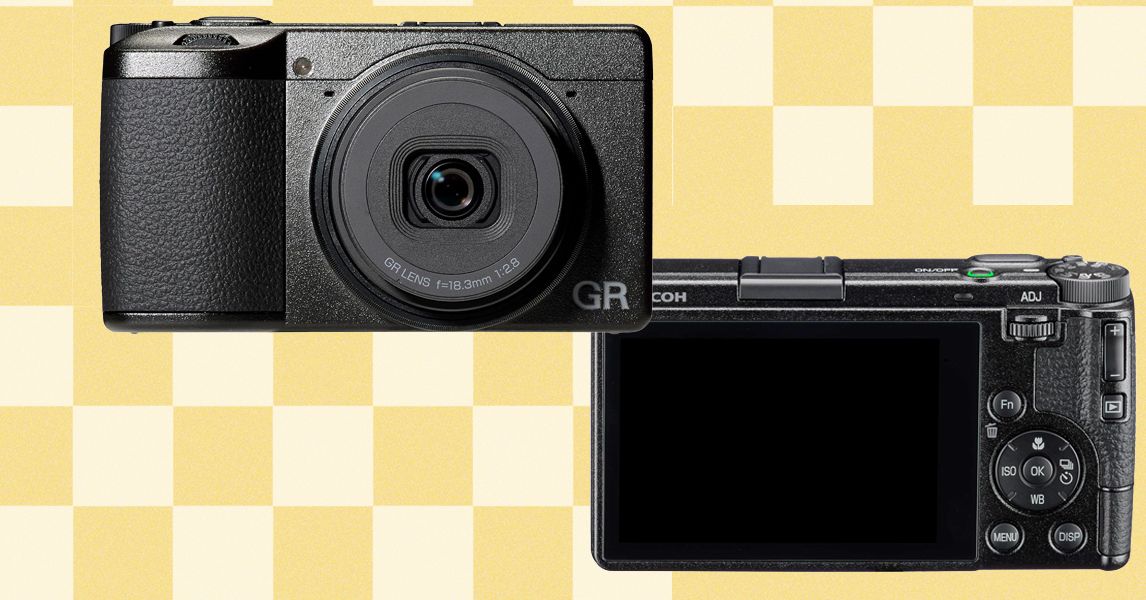
The Ricoh GR IV elevates pocket camera photography with enhanced snap focus and improved AF. Compare GR IV price ($1,497) & features vs GR III.
Overview
The Ricoh GR IV, a highly anticipated compact camera, introduces significant enhancements, particularly in its acclaimed snap focus mode, aiming to elevate the experience for street photographers and enthusiasts. This latest iteration promises to refine the beloved pocket camera’s capabilities, making it even more intuitive for quick, decisive shots.
For general readers and news consumers interested in consumer technology, this release highlights ongoing innovation in compact camera design, pushing boundaries for portability without compromising image quality. It addresses a specific niche, demonstrating how specialized gear continues to evolve.
Key upgrades include a dedicated “Sn” mode on the dial for granular control over snap focus distance and aperture. The GR IV launched at $1,497, a notable increase from the GR III’s launch price of $999.
This analysis explores whether these advancements justify the higher cost, who stands to benefit most, and what implications this has for the portable camera market as 2025 concludes.
Key Data
| Feature | Ricoh GR III | Ricoh GR IV | Difference |
|---|---|---|---|
| Launch Price | $999 | $1,497 | +$498 |
| Snap Focus Control | Predetermined distance | Dedicated dial (distance & aperture) | Enhanced |
Detailed Analysis
The compact camera market, while facing stiff competition from advanced smartphone photography, continues to see dedicated innovation, especially within niche segments like street photography. Ricoh’s GR series has carved out a unique space, revered for its pocketability, discreet nature, and exceptional image quality, particularly with its APS-C sensor. For years, the GR III has been a favorite among enthusiasts seeking a high-performance, unobtrusive camera. Its snap focus mode, allowing photographers to quickly capture moments by pre-setting a focus distance, became a hallmark feature. The progression from GR III to the new Ricoh GR IV represents a strategic refinement rather than a complete overhaul, signaling Ricoh’s commitment to enhancing core functionalities that define the series’ appeal. This latest iteration arrives at a time when consumers are increasingly discerning about investing in dedicated cameras, demanding tangible improvements over preceding models.
The most significant upgrade in the Ricoh GR IV centers around its snap focus capabilities, which now include a dedicated “Sn” mode on the dial. This new mode allows users to not only pre-set their desired focus distance but also lock in a specific aperture, offering unprecedented control over depth of field for quick shots. Previously, GR III users configured snap focus through custom settings, often pairing it with autofocus when the shutter was half-pressed. The integrated “Sn” mode streamlines this process, making it more intuitive and accessible. Reviewers, including those whose insights form the basis of this report, found themselves utilizing this new mode frequently, highlighting its practical benefits for capturing fleeting street scenes. Furthermore, the source content suggests a noticeable improvement in autofocus performance compared to its predecessor. This enhancement directly addresses a common frustration reported by GR III users, indicating Ricoh’s responsiveness to community feedback and a clear effort to refine user experience.
When evaluating the Ricoh GR IV against its predecessor, the GR III, the primary considerations are cost and feature evolution. The GR IV debuts at $1,497, a substantial 50% increase from the GR III’s launch price of $999. This price jump positions the GR IV at a premium, moving it closer to other high-end compact cameras that might offer more hybrid photo-video capabilities, such as those featured in guides for best pocket or travel cameras. However, the GR IV clearly targets a specific user base: photographers prioritizing an APS-C sensor, exceptional one-handed control, and superior image quality in a truly pocketable form factor, without a strong need for video functionality. Its competitive edge lies in these specialized attributes, particularly the refined snap focus and improved autofocus, which collectively address crucial pain points for dedicated GR users. [Suggested Matrix Table: Comparison of Ricoh GR III vs GR IV Key Features and Pricing]
For general readers considering a high-end compact camera, the Ricoh GR IV presents a compelling proposition if specific photographic needs are paramount. If you own a GR III and find its autofocus lacking or desire more control over snap focus, the upgrade appears justified, assuming the budget allows for the significant price increase. However, if video capabilities are important for your pocket camera needs, the GR IV explicitly states it is not the ideal choice; alternatives designed for hybrid photo-video work would be more suitable. Those who are not in immediate need might consider holding out for the potential GR IVx, which, following the GR IIIx pattern, could offer a different focal length (e.g., 40mm-equivalent lens) in the same enhanced body. Ricoh has not yet confirmed a GR IVx, but it remains a watch point for interested consumers looking for further variations in this esteemed compact series as 2026 approaches.
About the Author