Key Takeaways
Renee Good, a mother and poet, was killed by ICE in Minneapolis. Explore her life, conflicting accounts, and the protests in this current affairs update.
Overview
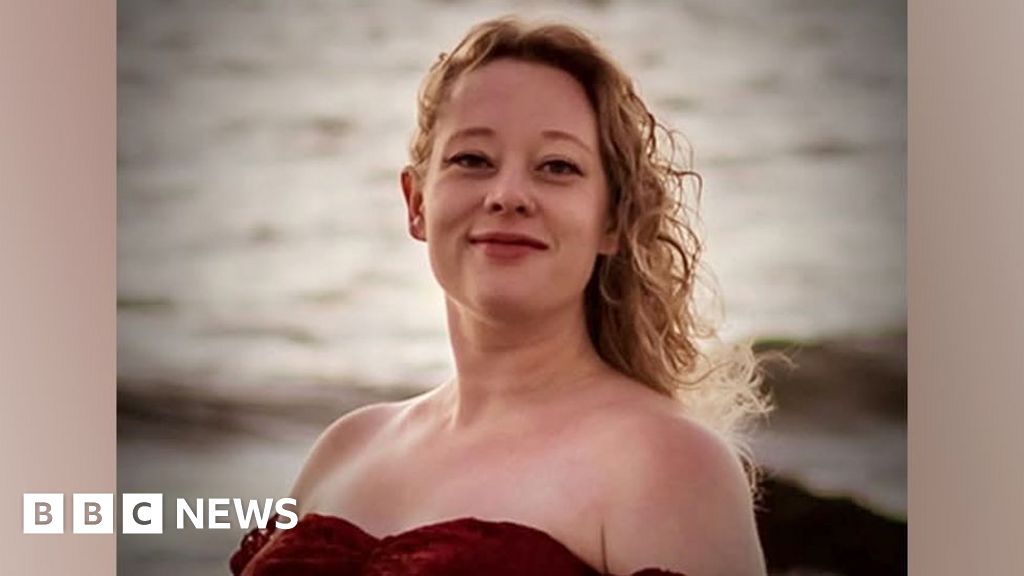
The woman fatally shot by a federal immigration agent in Minneapolis has been identified as Renee Nicole Good, a 37-year-old mother of three who had recently moved to the city. Her death has quickly become a pivotal point in current affairs, sparking national protests and raising serious questions about federal agency conduct.
Good’s identity and the contentious circumstances of her death highlight escalating tensions between federal agencies and community observers. This tragic incident has garnered significant attention across the United States, resonating deeply with broader discussions surrounding civil liberties and accountability.
Described as an award-winning poet and legal observer by city leaders and family, the Trump administration controversially labeled her a “domestic terrorist”. A fundraiser initiated for her family swiftly exceeded $500,000 within just 15 hours, indicating widespread public concern.
This article provides a balanced overview of Renee Nicole Good’s life and the conflicting narratives surrounding the Minneapolis ICE shooting, offering crucial context and implications for general readers seeking today’s updates on this breaking news story.
Detailed Analysis
Renee Nicole Good, a 37-year-old mother of three, had embarked on a new chapter in Minneapolis, having moved there just last year from Kansas City, with her roots tracing back to Colorado Springs. Those who knew her paint a picture of a profoundly compassionate individual: an award-winning poet, a dedicated hobby guitarist, and a staunch Christian who actively participated in youth missions to Northern Ireland during her younger years. Her professional life included stints as a dental assistant and at a credit union, though she had predominantly focused on being a stay-at-home mother in recent years. Her personal Instagram, now private, affectionately depicted her as a “poet and writer and wife and mom” who was “experiencing Minneapolis.” This intimate, humanizing background starkly contrasts with the official characterizations that emerged after her tragic passing. Moreover, the location of her death in Minneapolis, approximately one mile from where George Floyd was killed in 2020, adds another layer of profound gravity, evoking memories of widespread protests against law enforcement actions and underscoring the deep public sensitivity surrounding such incidents.
The specific sequence of events culminating in Good’s fatal shooting by a federal immigration agent in Minneapolis remains a subject of intense dispute, fueling widespread protests and demanding clear answers in US current affairs. City leaders and her family firmly assert that Good was present as a legal observer, a volunteer role dedicated to monitoring law enforcement activities. The aim of such observers is to ensure legal rights are upheld, deter misconduct, and generally maintain calm during operations. Her mother, Donna Ganger, adamantly stated Good was “not part of anything” intended to challenge ICE agents, adding that her daughter was “probably terrified” during the confrontation. Conversely, the Trump administration and US Homeland Security Secretary Kristi Noem branded Good a “domestic terrorist,” alleging she had been “stalking and impeding their work” throughout the day by “blocking them in” with her car and “shouting at them.” Noem further claimed Good “weaponised her vehicle” and attempted to “kill or cause bodily harm” to an officer, leading the ICE agent to fire “defensive shots.” Former President Trump echoed this narrative on Truth Social, characterizing her as a “professional agitator” who “violently, willfully, and viciously” ran over an officer. These profoundly different accounts highlight the deep divisions and intense scrutiny surrounding the incident and its reporting as breaking news.
The starkly conflicting narratives surrounding Renee Nicole Good’s death underscore a persistent national challenge concerning the public’s right to observe law enforcement actions and how these activities are perceived by authorities. Legal observers typically function as neutral third parties, aiming to document interactions and ensure accountability, a practice often regarded as a cornerstone of civil liberties in a democratic society. However, the Trump administration’s official stance, labeling Good a “domestic terrorist” for allegedly obstructing and attempting to harm officers, frames observation as interference, thereby raising critical questions about the scope and protection afforded to such roles. This incident is reminiscent of other high-profile confrontations involving federal agents, where differing interpretations of actions can lead to severe and tragic consequences. Minneapolis Mayor Jacob Frey directly contradicted the federal narrative, unequivocally calling it “bullshit” and accusing the agent of “recklessly using power” that resulted in Good’s death. This significant disagreement between local and federal authorities further complicates the pursuit of truth and exacerbates public distrust, making it a critical aspect of today’s updates. [Suggested Matrix Table: Conflicting Accounts Summary: Allegation | Federal/Trump Admin View | City/Family View]
For general readers and news consumers, the tragic death of Renee Nicole Good serves as a poignant reminder of the inherent complexities and profound human cost in confrontations between citizens and federal agencies. This incident critically underscores the importance of meticulously scrutinizing official narratives and understanding the diverse perspectives involved in rapidly unfolding events. The remarkable outpouring of public support, evident in a fundraiser that quickly surpassed half a million dollars, clearly signals a strong collective desire for justice and accountability. As this story continues to develop, citizens should closely monitor ongoing investigations, any potential legal actions that may be pursued, and the eventual release of further evidence, particularly video footage, if it becomes publicly available. This case significantly contributes to the broader national dialogue on police reform, immigration enforcement, and civil rights, highlighting the ongoing imperative for transparent, balanced, and accessible reporting in global current affairs and breaking news updates.
About the Author