Key Takeaways
Saudi Arabia confers its highest honor on Pakistan Army Chief Asim Munir, signaling deepened defence ties. Analyze diplomatic significance & geopolitical implications for 2025.
Overview
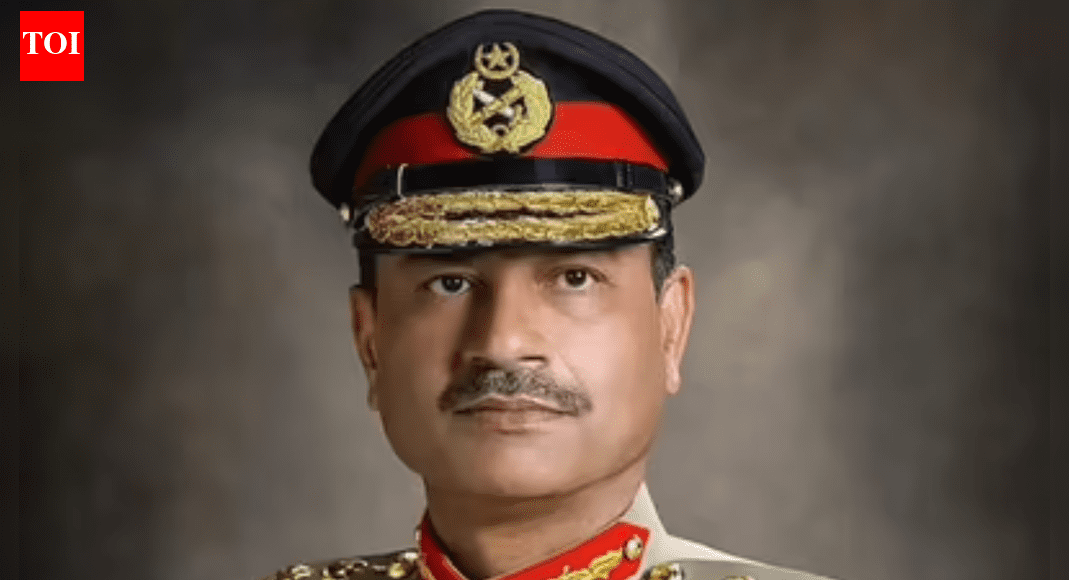
Saudi Arabia recently conferred its highest national honour, the King Abdulaziz Medal of Excellence, upon Pakistan’s Chief of Army Staff, Field Marshal Syed Asim Munir, during his official visit to the Kingdom. This significant diplomatic gesture underscores the deep and evolving strategic partnership between Riyadh and Islamabad, particularly in defence and security sectors.
For News Readers, Policy Watchers, Informed Citizens, and Political Analysts, this award signifies more than mere ceremonial recognition. It reflects a deliberate strengthening of bilateral ties, crucial for regional security dynamics and the broader geopolitical landscape involving major South Asian and Middle Eastern actors.
The honour was granted under a Royal Decree by King Salman bin Abdulaziz Al Saud, acknowledging Field Marshal Munir’s professionalism, strategic outlook, and pivotal role in fortifying Saudi-Pakistan relations. Discussions during the visit encompassed regional security, defence cooperation, strategic collaboration, and evolving geopolitical challenges.
This development necessitates closer scrutiny of its short-term diplomatic impacts, medium-term policy implications, and long-term strategic shifts within the broader international policy framework.
Key Data
| Dignitary | Nation Represented | Honour Conferred | Year Conferred |
|---|---|---|---|
| Field Marshal Syed Asim Munir | Pakistan | King Abdulaziz Medal of Excellence | 2025 |
| Prime Minister Narendra Modi | India | King Abdulaziz Sash | 2016 |
Detailed Analysis
The conferral of Saudi Arabia’s King Abdulaziz Medal of Excellence upon Pakistan Army Chief Field Marshal Syed Asim Munir highlights the enduring and strategically significant relationship between the two nations. This diplomatic tradition, where Saudi Arabia bestows its highest national decoration, signifies profound appreciation and strengthens bilateral bonds. Historically, Saudi Arabia and Pakistan share deep religious, economic, and strategic ties, evolving from initial defence cooperation agreements in the 1960s to encompassing broader security and counter-terrorism initiatives today. Pakistan has long served as a security guarantor for the Kingdom, providing military assistance, training, and strategic depth. For Saudi Arabia, these relationships form a critical component of its foreign policy, allowing it to foster stability in the Islamic world and project influence beyond the immediate Middle East. Pakistan, in turn, benefits from significant financial aid, investment, and religious tourism opportunities, alongside a strategic partner in regional and global forums. Such high-level engagements, including the visit of the Pakistan Army Chief, reinforce decades of mutual reliance and shared interests in maintaining regional order amidst evolving geopolitical complexities, demonstrating a consistent foreign policy approach from both governments.
Field Marshal Munir’s visit and subsequent honour underscore a renewed vigour in this strategic alliance. The Saudi leadership specifically acknowledged his “professionalism and strategic outlook” and his role in “strengthening the longstanding and close ties.” This recognition goes beyond mere courtesy, signaling confidence in Pakistan’s military leadership and its capacity to contribute to mutual security objectives. Discussions during the visit notably covered a spectrum of crucial topics: regional security, defence and military cooperation, strategic collaboration, and evolving geopolitical challenges. These encompass potential joint military exercises, intelligence sharing, and coordination on broader security threats in the Middle East and South Asia. Field Marshal Munir’s reaffirmation of Pakistan’s unwavering commitment to the “security, stability and prosperity of the Kingdom” further solidifies this mutual defence pact. This commitment is particularly relevant in a volatile region, where Saudi Arabia seeks reliable partners to address various internal and external security concerns, from Yemen to broader Red Sea security. The discussions implicitly involve shared perspectives on counter-extremism and regional power balances, demonstrating a proactive engagement from both sides to safeguard their strategic interests and align their international policy.
Comparing this recent honour with Prime Minister Narendra Modi’s conferral of the King Abdulaziz Sash in 2016 reveals a consistent pattern in Saudi Arabian diplomacy. Both Pakistan and India are pivotal South Asian nations, and Saudi Arabia strategically engages with both through high-level diplomatic recognition. While the awards differ slightly in nomenclature (Medal of Excellence for Munir, Sash for Modi), their symbolic weight as the Kingdom’s highest civilian honours remains potent. This approach demonstrates Saudi Arabia’s nuanced foreign policy, balancing relations with key regional players to advance its own security and economic interests without necessarily choosing exclusive partners. Such honours act as powerful diplomatic tools, fostering goodwill and cementing strategic partnerships across different spheres—defence and military ties with Pakistan, and economic and energy partnerships with India. For policy watchers, this suggests a deliberate strategy by Riyadh to cultivate strong bilateral relationships with influential South Asian states, acknowledging their strategic importance in the broader international arena. It also highlights the recognition of individual leadership’s role in shaping these nation-to-nation dynamics, providing a personal touch to statecraft. These high-profile recognitions are not isolated events; they are part of a continuous engagement strategy to ensure Saudi Arabia’s influence and stability in a multipolar world. The matrix table provided earlier offers a direct comparison of these significant diplomatic instances, underscoring the Kingdom’s selective but impactful use of such awards.
This diplomatic development carries several implications for News Readers, Policy Watchers, Informed Citizens, and Political Analysts. In the short term, it solidifies Pakistan’s strategic importance to Saudi Arabia, potentially leading to increased defence collaboration and economic support. For News Readers, this provides insight into the complex tapestry of international relations, where symbolic gestures carry substantive political weight, especially in the context of global power shifts. Medium-term implications involve Pakistan’s reinforced geopolitical positioning within the Islamic world and South Asia, potentially influencing its stance on various international policy issues. Policy Watchers should monitor potential shifts in foreign policy alignment and the specifics of any subsequent defence agreements or economic packages that might emerge from these high-level engagements. Informed Citizens should understand how such strengthened alliances can affect national security interests and the broader regional balance of power. Long-term, this could contribute to greater stability in the Arabian Gulf region through enhanced defence cooperation, while also potentially intensifying the strategic competition among major powers for influence in South Asia and the Middle East. Political Analysts will closely scrutinize the practical outcomes of this enhanced strategic collaboration, looking for indicators such as joint military exercises, advanced defence procurements, and coordinated positions on regional conflicts. They will also consider how this might impact Pakistan’s internal political stability and its economic trajectory. Future events to monitor include subsequent high-level visits, declarations of new joint projects, and any changes in voting patterns or diplomatic postures in international forums, all of which will offer further insights into the tangible effects of this renewed strategic bond.
About the Author