Key Takeaways
Ozlo pivots from sleepbuds to a data platform, integrating AI and medical devices. Analyze its revenue streams, market impact, and investment outlook for 2026-27.
Overview
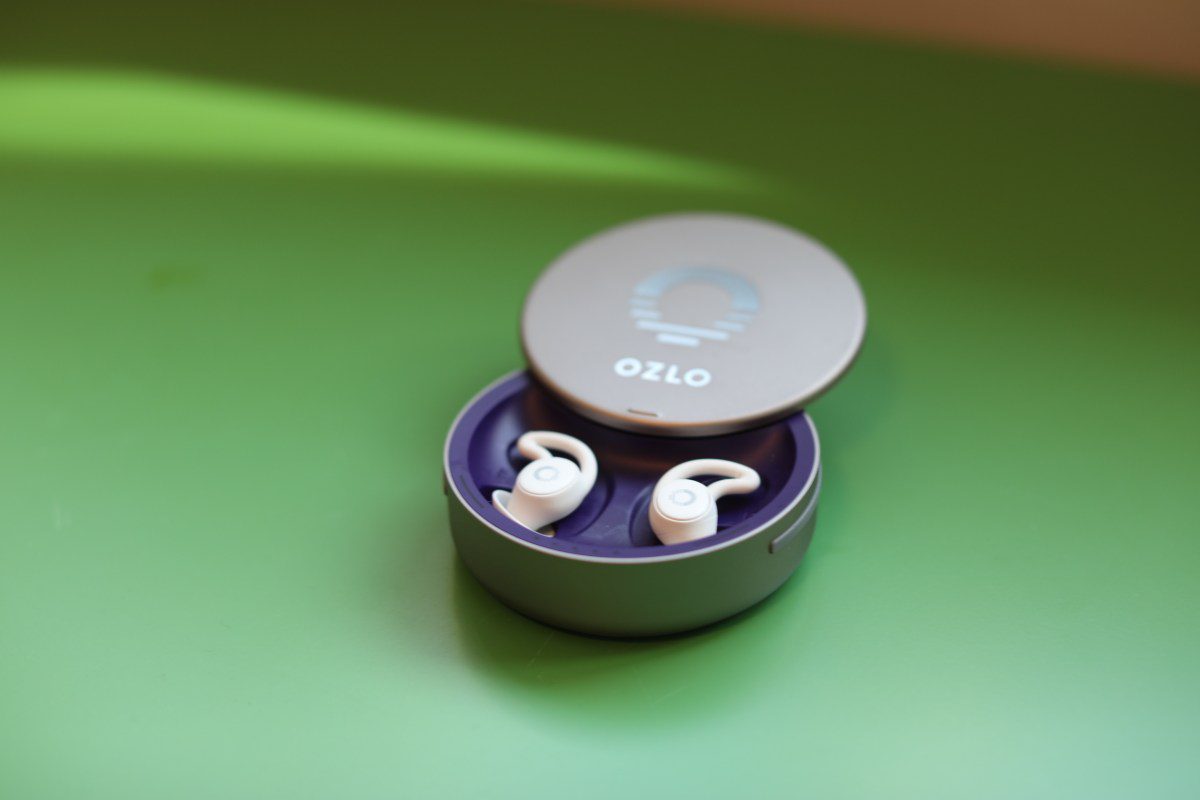
Ozlo, initially known for its comfortable ‘sleepbuds’ designed to block noise and enhance rest, is executing a significant strategic pivot, transforming its product into a sophisticated sleep data platform. This evolution aims to shift its core revenue model beyond consumer hardware, venturing into the high-margin domains of software subscriptions and the regulated medical device market.
This strategic move holds substantial implications for Retail Investors, Swing Traders, Long-term Investors, and Finance Professionals tracking innovation in the health technology and wearable sectors. It signals a potential for diversified revenue streams and higher valuation multiples traditionally associated with software-as-a-service (SaaS) and medical technology companies, moving away from capital-intensive hardware sales.
Key developments include a partnership with the meditation app Calm, planned Q2 2026 rollouts for AI-powered features and tinnitus therapies, and the strategic acquisition of neurotech firm Segotia. This acquisition is crucial for future EEG-based insights, with a product launch anticipated in 2027, alongside an ongoing Series B funding round to fuel expansion.
The following financial analysis will delve into Ozlo’s evolving business model, market opportunities, competitive positioning, and the specific metrics investors should monitor as the company executes this ambitious transformation in the burgeoning sleep health market.
Detailed Analysis
The global sleep technology market is experiencing rapid expansion, driven by increasing awareness of sleep’s impact on overall health, rising stress levels, and the ubiquity of connected devices. Historically, this sector has been characterized by consumer-grade wearables and smart home gadgets, often struggling with razor-thin hardware margins and limited recurring revenue. Ozlo, founded by former Bose employees, initially entered this market with its noise-masking sleepbuds, effectively addressing a critical consumer need for uninterrupted rest. However, recognizing the inherent limitations and valuation ceilings of a purely hardware-centric business, Ozlo’s leadership, spearheaded by CEO NB Patil, strategically embarked on building an underlying data ecosystem from its inception. This foresight allowed for the development of an iOS and Android Software Development Kit (SDK) that not only powers its proprietary app but also serves as a foundational layer for external partnerships. This approach marks a crucial departure from traditional hardware manufacturing, positioning Ozlo as a potential data intermediary and service provider within the broader digital health landscape.
Ozlo’s pivot into a comprehensive sleep data platform is underscored by several distinct, high-potential revenue streams. Firstly, the company is aggressively expanding its software-as-a-service (SaaS) offerings. This includes AI-powered features such as ‘Sleep Patterns,’ already launched in November, providing granular insights into user sleep quality and contributing factors. More significantly, Ozlo plans to introduce an AI ‘sleep buddy’ agent in Q2 2026, capable of personalized interactions and IoT device integration for environmental control, accessible via subscription. Concurrently, the company is addressing specific medical conditions, notably tinnitus, which affects a substantial portion of its customer base. Following a clinical study with Walter Reed Hospital, Ozlo will roll out subscription-based tinnitus therapies in Q2 2026, leveraging specialized masking frequencies delivered overnight. This diversification into direct-to-consumer health solutions, beyond mere wellness, commands significantly higher profit margins than hardware sales. Furthermore, the platform strategy is evident in partnerships like the one with Calm, where Ozlo’s sensors provide granular data on body movements and respiration rates, allowing partners to validate the efficacy of their content in real-time. This closed-loop feedback system not only enhances partner content but also opens avenues for revenue sharing, potentially from subscription upgrades catalyzed by Ozlo’s insights, creating a robust B2B2C model.
Ozlo’s trajectory presents a compelling comparative analysis against both established consumer tech giants and emerging digital health startups. While larger players like Apple and Google offer broad health tracking through HealthKit and Google Fit, their focus is on aggregation across numerous metrics, lacking the deep, specialized sleep data Ozlo generates. Pure-play meditation apps like Calm, while dominant in content, previously lacked the objective biometric data to assess content effectiveness in achieving desired physiological states. Ozlo uniquely bridges this gap by offering a proprietary, high-fidelity data capture mechanism through its sleepbuds and, critically, an open SDK for data sharing. The acquisition of Segotia, an EEG-focused neurotech firm, is particularly transformative. This enables Ozlo to move beyond inferential sleep tracking to direct brainwave monitoring by 2027, placing it firmly in the medical device category. This strategic vertical integration — from consumer hardware to data platform, AI-driven software, and eventually FDA-regulated medical devices — creates a powerful competitive moat. It shifts the company’s competitive landscape from general wearables to specialized neurotechnology and sleep diagnostics, potentially attracting premium valuations akin to MedTech companies rather than consumer electronics firms. The development of a bedside speaker with similar sensing capabilities further expands Ozlo’s market reach to demographics like children and the elderly, for whom in-ear devices may be unsuitable, establishing a wider ecosystem advantage.
For Retail Investors, Swing Traders, and Long-term Investors, Ozlo’s strategic pivot offers a nuanced investment thesis. Swing traders should closely monitor the completion of the Series B funding round, which serves as a near-term catalyst, validating institutional confidence. Subsequent announcements regarding Q2 2026 product launches (AI agent, tinnitus therapies, updated hardware) and new partnership agreements will also present potential short-term trading opportunities. Long-term investors and Finance Professionals, however, should evaluate Ozlo based on its capacity to capture and monetize a significant share of the rapidly growing global sleep health market, projected to reach billions. The transition to high-margin recurring revenue from software subscriptions and medical devices is crucial for long-term valuation appreciation, moving Ozlo towards a SaaS or MedTech multiple rather than a hardware multiple. Key performance indicators to track include subscriber growth rates, average revenue per user (ARPU) for its subscription services, clinical validation of its tinnitus therapies, and progress towards regulatory approvals for its future EEG-based medical products. Risks include intense competition from diverse sectors (wearables, pharma, digital health), potential regulatory hurdles in the medical device space, and the continuous need for significant capital, as evidenced by the ongoing Series B, to fund ambitious R&D and market expansion. Successful execution on these fronts, coupled with strong data security and privacy protocols, will be paramount for Ozlo to realize its full investment potential.
About the Author