Key Takeaways
Bipartisan Obamacare fix faces abortion dispute in US Senate. Explore the proposed two-year plan, stakeholder views, and policy implications for healthcare.
Overview
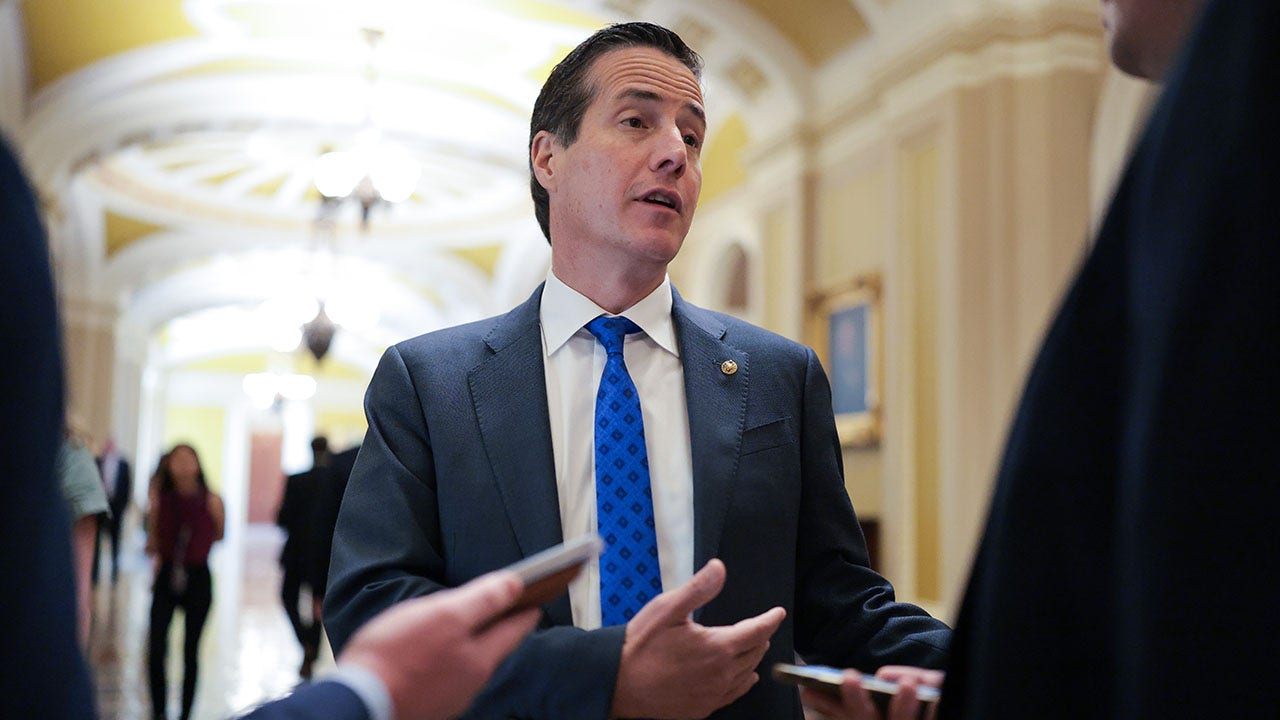
A critical bipartisan effort to address escalating healthcare costs and the future of Obamacare subsidies is progressing in the U.S. Senate, yet a persistent disagreement over taxpayer-funded abortions threatens to derail the proposed solution. Senators Susan Collins (R-Maine) and Bernie Moreno (R-Ohio) lead the working group, aiming for a resolution after previous partisan proposals failed.
This development is crucial for News Readers, Policy Watchers, and Informed Citizens tracking legislative cooperation and healthcare policy in the U.S. government. The ability of lawmakers to bridge ideological divides on sensitive issues like abortion will indicate the potential for future cross-party agreements impacting millions.
The plan outlines a two-year extension of subsidies, an income cap at 700% of the federal poverty level in the first year, and reinstating cost-sharing reduction payments, projected to lower premiums by 11%.
Policy Watchers should closely monitor the Senate’s vote and the ongoing negotiations surrounding the Hyde Amendment, which dictates federal abortion funding, as this will shape immediate healthcare access and future legislative dynamics.
Key Data
| Policy Aspect | Previous State (Pre-Biden Enhancements) | Proposed Year 1 Fix | Proposed Year 2 Fix |
|---|---|---|---|
| Subsidy Extension | Expired (enhanced) | Extended for two years | Continued extension |
| Open Enrollment Period | Standard close | Prolonged until March 1 | Continuation expected |
| Income Cap for Subsidies | No cap (under enhanced subsidies) | Reinstated at 700% FPL | Maintained |
| Minimum Premium Payment | Not specified | $5 or $60 (fraud prevention) | Maintained |
| Insurance Fraud Fine | Not specified | $100,000 for deliberate fraud | Maintained |
| Coverage Plan Choice | Subsidies only | Subsidies | Subsidies OR Health Savings Account (HSA) |
Detailed Analysis
The ongoing bipartisan discussions in the U.S. Senate to forge an Obamacare fix highlight a recurring challenge in American politics: balancing ideological purity with practical governance. Healthcare, a cornerstone of public discourse, frequently devolves into partisan stalemates, leaving millions in uncertainty. This current attempt by Senators Collins and Moreno represents a renewed push for compromise after previous enhanced Obamacare premium subsidies expired, leaving a gap for many Americans. Historically, major healthcare reforms in the U.S. have been contentious, with landmark legislation like the Affordable Care Act (ACA) itself passing amidst fierce political battles. The current situation echoes these past struggles, underscoring the deep divisions within the U.S. government on how to best manage healthcare accessibility and funding.
The proposed two-year framework attempts to bridge these divides by offering a temporary, pragmatic solution. It includes a two-year extension of subsidies, which would directly impact individuals reliant on these financial aids for affordable health coverage. The reintroduction of an income cap, previously removed during the Biden administration, signifies a Republican-driven effort to target subsidies more stringently. Furthermore, incorporating a minimum premium payment and substantial fines for insurance company fraud aims to address concerns about fiscal responsibility and marketplace integrity, often raised by conservative lawmakers. A significant concession to Republican demands is the second-year option for individuals to choose between subsidies or a Health Savings Account (HSA), a market-based approach favored by many on the right. The reinstatement of cost-sharing reduction payments, with an estimated 11% reduction in premiums according to the Congressional Budget Office, demonstrates a policy lever aimed at broad affordability for those on the exchange.
This bipartisan effort contrasts sharply with prior partisan attempts to either wholly repeal or simply extend the ACA without broader reforms. The focus on a two-year temporary fix allows for immediate relief while providing a window for potentially more comprehensive, long-term solutions, a strategy designed to appeal to Republicans who remain ideologically opposed to the ACA. The most significant hurdle, however, remains the Hyde Amendment, which prohibits federal funding for abortions. While both sides agree on the principle of no federal funding for abortions, a dispute persists regarding whether current Obamacare mechanisms inadvertently violate this longstanding statute. This ideological chasm is exemplified by former President Donald Trump’s call for ‘flexibility’ on the Hyde Amendment, met with strong resistance from Senate Republicans, illustrating the entrenched positions on this sensitive issue. [Suggested Matrix Table: Comparison of Healthcare Policy Positions on Key Aspects – e.g., Subsidy Duration, Funding Caps, Abortion Funding]
For News Readers, Policy Watchers, Informed Citizens, and Political Analysts, the outcome of this legislative push carries significant implications. The successful passage of this bill would not only secure healthcare affordability for millions in the short term but also signal a rare moment of bipartisan functionality in a highly polarized U.S. Congress. Conversely, failure due to the abortion dispute could deepen political divides, leaving healthcare costs and coverage challenges unaddressed and potentially impacting future policy collaborations. Stakeholders, including healthcare providers, insurance companies, and consumers, stand to benefit from reduced uncertainty and potentially lower premiums. The next steps involve navigating the highly sensitive abortion funding debate, a contentious issue with deeply held beliefs on both sides, making the path to final approval uncertain but critically important for the future of US healthcare policy.
About the Author