Key Takeaways
Nicaraguan authorities detain dozens for supporting Maduro’s capture. Understand human rights implications and political context in Central America today.
Overview
In a significant development for Current Affairs, Nicaraguan authorities have reportedly arrested at least 60 individuals for celebrating or expressing support for the recent capture of Venezuelan President Nicolás Maduro. This unprecedented crackdown underscores the intense political dynamics in the region and sparks urgent concerns regarding human rights and freedom of expression.
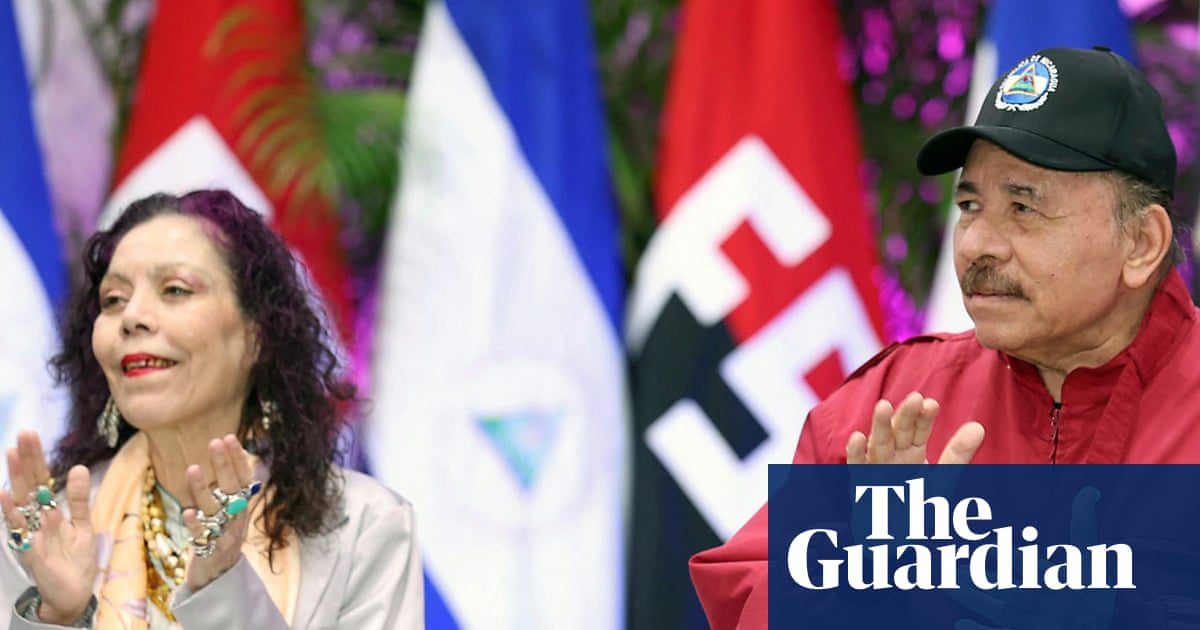
The widespread Nicaraguan arrests highlight the staunch alliance between President Daniel Ortega, Vice President Rosario Murillo, and Maduro. Maduro’s capture by US military personnel in Caracas last Saturday, leading to his trial in New York on drug and weapons charges, has reverberated across Latin America, eliciting strong, polarized reactions.
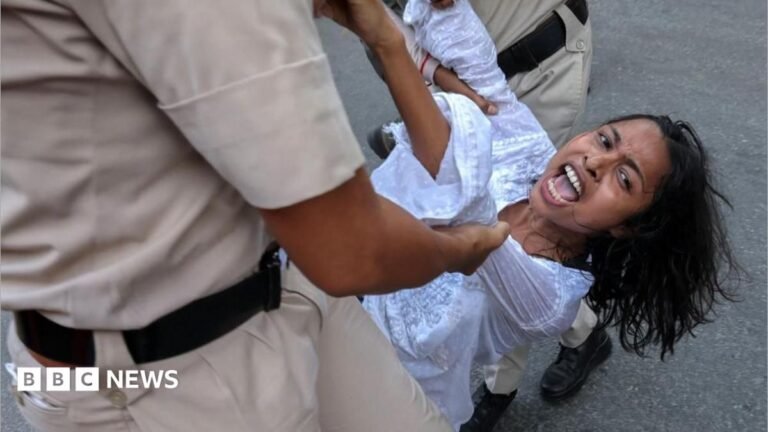
According to the human rights watchdog Blue and White Monitoring, these arbitrary detentions impacted 60 people, with 49 still held without legal information as of Friday. Nine individuals gained release, while three others endured temporary detention.
This situation offers a crucial perspective on Central American politics, prompting General Readers and News Consumers to monitor international responses and judicial processes closely for today’s updates.
Detailed Analysis
The recent wave of detentions in Nicaragua unfolds against a complex backdrop of international political alliances and domestic authoritarianism. President Daniel Ortega and his wife, Vice President Rosario Murillo, have long been vocal supporters of Venezuelan President Nicolás Maduro. This steadfast alignment positions Nicaragua in a geopolitical sphere often at odds with Western democratic norms. Maduro’s dramatic capture by US military personnel in Caracas, transferred to New York to face severe drug and weapons charges, escalated tensions across the continent. This event provided a flashpoint, triggering swift and severe reactions from allied regimes. Historically, nations with strong ideological ties demonstrate solidarity, and in this instance, Nicaragua’s government appears to mirror Venezuela’s actions by clamping down on dissent. This incident also follows former US President Donald Trump’s claim of canceling further attacks on Venezuela, citing its cooperation on oil and prisoner releases, underscoring intricate diplomatic dynamics.
Human rights groups and local media have meticulously documented the immediate aftermath of Maduro’s capture in Nicaragua. Blue and White Monitoring, an NGO specializing in human rights violations, reported at least 60 arbitrary arrests. Their data indicates that as of Friday, 49 individuals remained in detention, their legal status unconfirmed, while nine others were released, and three faced temporary confinement. What makes these Nicaraguan arrests particularly alarming is the alleged basis for detention: “expressions of opinion,” including comments on social media, private celebrations, or simply failing to echo official state propaganda. Confidencial, a Nicaraguan newspaper, specified these arrests occurred under a “state of alert” ordered by Vice President Murillo, involving widespread surveillance. Another local outlet, La Prensa, similarly attributed arrests to “posts in favor” of the US operation, cementing concerns over civil liberties and due process.
This pattern of political repression in Nicaragua echoes tactics observed in other authoritarian regimes globally, where expressions of opinion are often conflated with sedition or threats. In countries with limited press freedom and judicial independence, governments frequently employ mass arrests to quell dissent, sending a chilling message to the populace. The specific focus on “comments on social media” and “private celebrations” marks a profound encroachment on personal freedoms, suggesting a broad interpretation of “support” for Maduro’s capture. Such measures aim not only to silence opposition but also to enforce ideological conformity, demonstrating the fragility of democratic principles under entrenched leadership. This situation contrasts sharply with nations where civil liberties, including freedom of speech and assembly, remain constitutionally protected.
For General Readers and News Consumers, these Nicaraguan arrests serve as a critical case study in the dynamics of international alliances and domestic repression. The events underscore how geopolitical shifts can swiftly impact fundamental human rights, particularly freedom of speech, even in nations seemingly removed from the immediate conflict. Understanding the context of the Ortega-Murillo regime’s alignment with Maduro is crucial for interpreting these actions, which extend beyond political disagreement to severe human rights violations. Going forward, the international community, including human rights organizations, will closely monitor the fate of the 49 individuals still detained. Readers should watch for statements from international bodies, updates on their legal status, and any potential diplomatic pressure exerted on Nicaragua, impacting today’s global updates and broader current affairs.
About the Author