Key Takeaways
Narwal AI vacuums launched at CES 2026 with pet monitoring, lost jewelry detection, and baby care modes. Discover how AI enhances home automation and daily life.
Overview
Robot vacuum maker Narwal unveiled its new AI-powered smart vacuum cleaners at CES 2026. These Narwal AI vacuums offer innovative features, from monitoring pets to finding lost jewelry, enhancing daily household management.
This development marks a significant step in smart home technology, transforming cleaners into multi-functional assistants. For general readers, this innovation provides unique convenience and problem-solving, a key highlight in today’s current affairs.
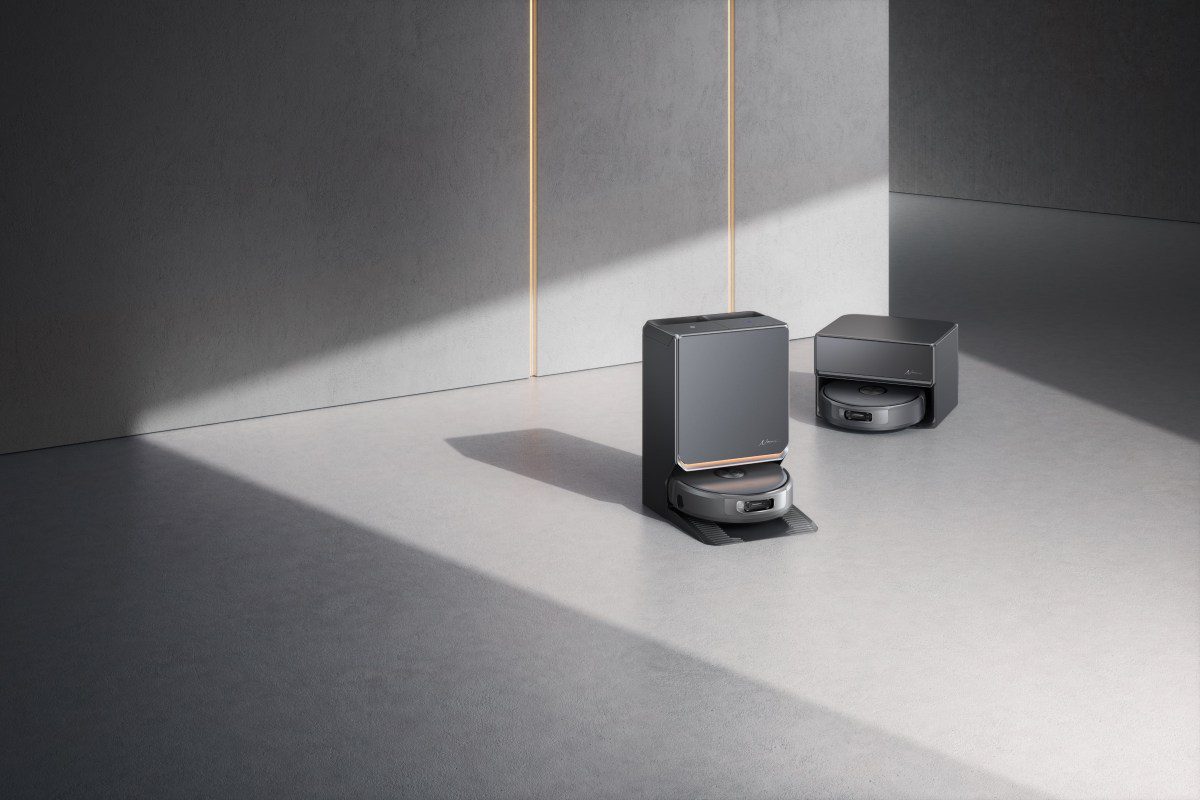
The flagship Flow 2 model uses dual 1080p RGB cameras (136-degree view) to map spaces and identify objects. It features “pet care,” “baby care,” and “AI floor tag” modes.
This analysis explores the practical implications of these AI capabilities, examining their impact on smart home integration and daily routines.
Detailed Analysis
Narwal’s unveiling at CES 2026 places it within a larger trend where domestic robotics are becoming increasingly sophisticated. Historically, robot vacuums primarily focused on navigation and basic cleaning. However, the latest generation, spearheaded by devices like Narwal AI vacuums, integrates advanced artificial intelligence to offer more than just floor care. This shift reflects a broader societal move towards automating routine tasks and enhancing personal security and convenience within the home. Consumers are increasingly expecting their appliances to perform multi-faceted roles, anticipating problems, and even offering peace of mind. This innovation is part of a growing wave of smart home technology, setting new benchmarks for what everyday devices can achieve. These advancements resonate significantly with today’s current affairs and the push for smarter living.
Narwal’s innovation centers on its AI-powered vision system, turning a cleaner into an intelligent assistant. The flagship Flow 2 robot vacuum utilizes two 1080p RGB cameras, offering a wide 136-degree field of view to meticulously map home environments. Its standout feature is the ability to recognize an “unlimited number of objects” via advanced AI models. The device processes object identification locally, then sends data to the cloud for further recognition if needed, ensuring both speed and accuracy. The Flow 2 introduces three key operational modes: “pet care,” “baby care,” and “AI floor tag.” Pet care mode allows defining cleaning zones and offers two-way audio monitoring. Baby care ensures quiet operation near cribs and alerts for misplaced toys. Critically, the AI floor tag mode recognizes valuable items like jewelry, avoids them, and notifies users, a crucial feature for today’s current affairs in smart home safety.
While many robot vacuums on the market offer advanced navigation and self-emptying features, Narwal’s Flow 2 distinguishes itself by integrating sophisticated object recognition beyond basic obstacle avoidance. Competitors often focus on mapping for efficient cleaning paths or simple hazard detection (like stairs or pet waste). Narwal’s AI, capable of identifying specific valuable items or toys, elevates the device from a cleaning tool to a genuine home assistant, akin to having an extra pair of eyes on household items. This level of granular object detection and context-aware operation (pet care, baby care modes) positions the Narwal AI vacuums as a leader in the evolving smart home ecosystem. This advancement pushes the boundaries of automation, offering unique solutions that previous generations of robot vacuums could not. This sets a new benchmark for smart home appliances, important for India News and global tech trends.
For general readers and news consumers, Narwal’s latest innovations herald a future where home devices do more than their primary function. The ability to monitor pets via two-way audio or prevent a precious earring from being vacuumed offers tangible peace of mind and convenience. This could particularly appeal to households with young children or pets, or those who frequently misplace small valuables. While the full pricing details are not disclosed, the utility of these AI-powered features could justify a premium for early adopters. Consumers should monitor how these advanced AI capabilities perform in real-world scenarios and how future software updates might expand their functionalities. This progress underscores the continuous evolution of smart home technology, promising smarter, more integrated living experiences in upcoming Today Updates.
About the Author