Key Takeaways
Julie Chen Moonves pays tribute to Big Brother’s Mickey Lee after her tragic death. Learn about Lee’s health battles and the emotional impact of this loss.
Overview
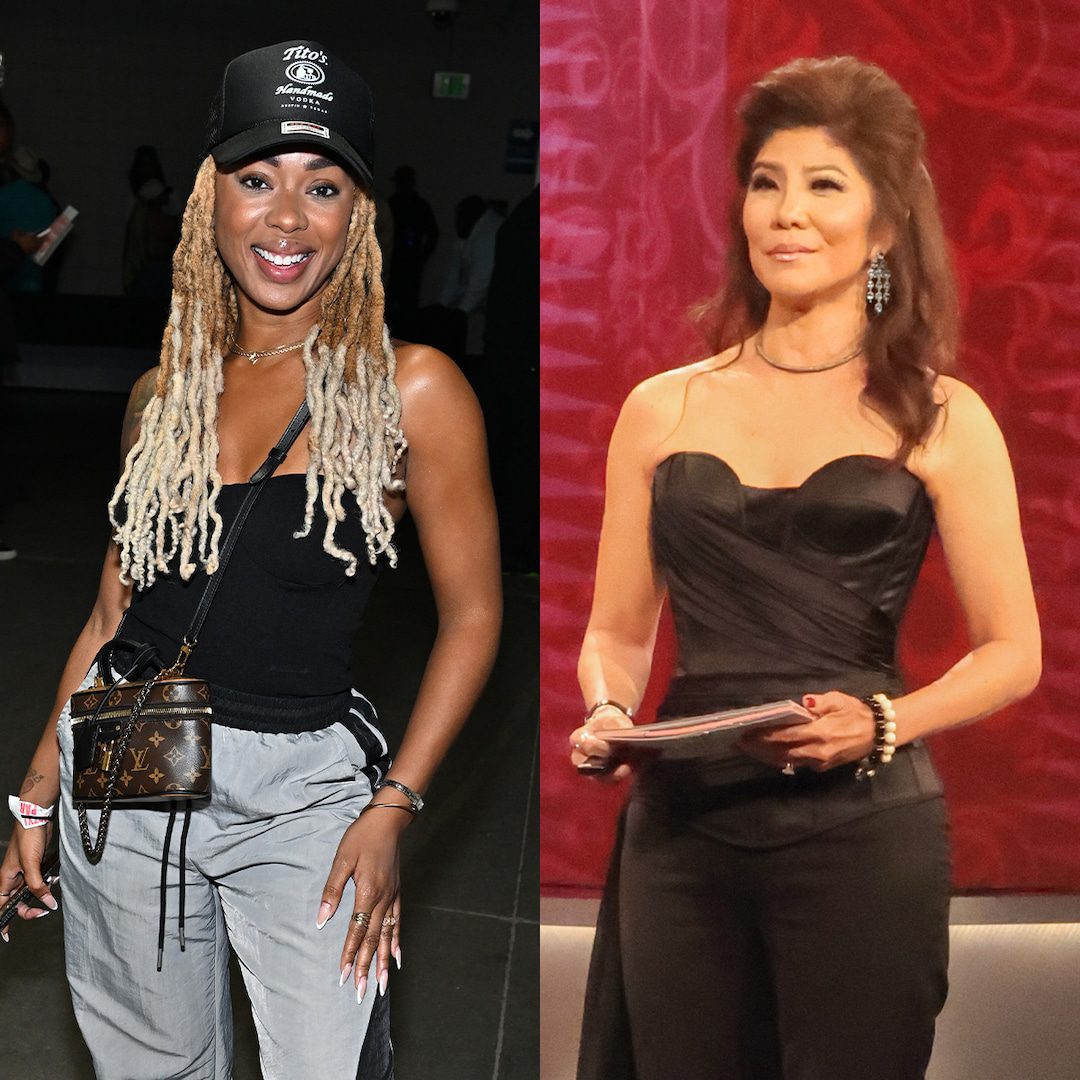
Television host Julie Chen Moonves has shared a heartfelt tribute following the unexpected death of Big Brother season 27 contestant Mickey Lee. This tragic news update deeply affects the reality television community and general news consumers, highlighting the personal impact of such events.
Chen Moonves had recently interviewed Lee on her YouTube series, ‘God 101’, forming a personal connection. This public expression of grief adds a deeply human dimension to the news, resonating with a broad audience beyond the entertainment sphere.
Lee experienced cardiac arrests this month, stemming from flu complications. She had previously revealed being born with a hole in her heart and surviving an ATV accident.
This article examines the emotional impact of such a loss, offering balanced analysis and implications for current affairs today.
Detailed Analysis
The passing of Mickey Lee, a contestant from Big Brother season 27, and the deeply personal tribute shared by long-standing host Julie Chen Moonves, serve as a stark reminder of the profound, often unacknowledged, connections forged between reality television personalities and their global audience. While individuals like Lee might not achieve the megastar status of A-list celebrities, their consistent presence in millions of homes through popular shows creates a unique form of familiarity and attachment. This phenomenon allows viewers to feel a genuine sense of camaraderie, and sometimes even loss, when a contestant’s journey ends, whether on or off screen. Lee’s personal narrative, as revealed during her interview with Chen Moonves on the host’s YouTube series ‘God 101’, adds layers of resilience and vulnerability to her story. Being born with a hole in her heart and surviving a severe ATV accident as an adult speak volumes about her enduring spirit, overcoming life-threatening challenges long before her time on reality television. These prior battles, which Lee herself described as divine interventions, frame her eventual passing not just as a tragedy but as the culmination of a life marked by extraordinary fortitude. Chen Moonves’s decision to publicly share her grief, and particularly to reference their spiritual conversation, transcends a mere entertainment news update. It elevates the discussion to a more universal exploration of faith, survival, and the human condition. In today’s current affairs landscape, where personal stories from public figures often drive public discourse, this incident compels general news consumers to reflect on the fragility of life and the intricate ways in which human spirit perseveres. It underscores how personal losses, even of those primarily known through entertainment, become collective experiences, fostering widespread reflection on deeper existential themes rather than simply fading as fleeting headlines. This shared emotional response highlights the unique power of reality television to create emotional bonds that extend far beyond the screen.
Julie Chen Moonves’s emotional Instagram post, acting as the primary channel for this somber announcement, captured the essence of unexpected grief that often accompanies loss. Her phrase “expect the unexpected,” a long-standing tagline for Big Brother, ironically took on a much more profound and tragic meaning in this personal context. The tribute itself was rich with specific details gleaned from Chen Moonves’s interview with Lee on ‘God 101’, providing essential background for general news consumers seeking to understand the story’s depth. Lee had courageously disclosed two significant health battles: a congenital heart defect, a hole in her heart, and the survival of a severe ATV accident that, by her own account, should have claimed her life. These revelations offer critical insights into Lee’s life, painting a portrait of an individual who navigated significant physical vulnerabilities with remarkable strength and faith. The immediate circumstances of her passing, as relayed, involved a series of cardiac arrests earlier this month, complicated by the flu. This medical timeline suggests a sudden and acute decline, despite Lee’s history of resilience. The host’s use of spiritual language – “God kept her alive. Last night God brought her home. Rest In Peace dear Mickey. I will see you again on the other side in eternity. I pray the good Lord comforts and heals your family and loved ones as we grieve your passing. Amen” – provides an intimate glimpse into the personal belief systems underpinning her public expression of sorrow. Such a deeply personal testament from a prominent television personality offers more than just a news update; it serves as a public act of mourning that allows audiences to connect on a human level, transforming a celebrity anecdote into a shared moment of reflection on mortality and spiritual comfort, a critical part of today’s current affairs discussions. This level of candidness from Chen Moonves not only honors Lee’s memory but also encourages a broader dialogue about grief and support, impacting how individuals process and discuss loss in the public sphere.
Mickey Lee’s passing, while distinct from the global breaking news events associated with A-list celebrity deaths, nonetheless reverberates powerfully through the cultural landscape due to its connection to the immensely popular Big Brother franchise. This phenomenon aligns with a growing trend where reality television personalities, despite their often brief stints in the limelight, cultivate unexpectedly dedicated fan bases. These followers, having invested emotionally in their on-screen journeys, often experience a genuine sense of loss when such figures pass, blurring the lines between public persona and personal connection. Julie Chen Moonves’s decision to announce and tribute Lee on Instagram provides a crucial case study in the evolving dynamics of public grief. In contrast to more formal, impersonal press releases of yesteryear, social media platforms allow for immediate, unfiltered, and deeply personal expressions of sorrow. This direct engagement fosters a unique form of collective mourning, enabling fans and general news consumers to share their grief, offer condolences, and reflect on the news update in real-time. This digital immediacy ensures that such news, irrespective of the deceased’s mainstream celebrity status, rapidly becomes part of daily current affairs discussions. This contrasts sharply with historical media paradigms where the passing of a reality show contestant might have received minimal attention. The shared experience online magnifies the emotional impact, transforming individual sorrow into a communal event. This shift highlights how public figures, even through informal channels, can profoundly shape the narrative around death and remembrance, offering comfort and fostering solidarity among millions, further solidifying the intricate relationship between media, audience, and public sentiment.
For general readers and news consumers, Mickey Lee’s story, amplified by Julie Chen Moonves’s tribute, offers a multi-faceted and poignant takeaway regarding life, resilience, and the public’s emotional engagement with media personalities. Firstly, it serves as a powerful reminder of life’s inherent unpredictability and the often-unseen health battles individuals navigate daily, even those who project strength in the public eye. This fosters a deeper sense of empathy and encourages a profound appreciation for life’s fragility and the human capacity for resilience. Secondly, the event highlights how personal narratives, especially when shared by public figures, can transcend mere entertainment value to spark significant societal conversations about health awareness, faith, and the process of coping with sudden loss. In today’s current affairs landscape, such stories often resonate more deeply than purely political or economic news, prompting collective introspection. While there are no specific financial metrics or upcoming market events relevant to this news, it underscores the persistent and growing influence of reality television personalities on public sentiment and engagement. Audiences should continue to monitor how public figures utilize social media for personal announcements, as this provides invaluable insights into evolving communication strategies and forms of authentic audience interaction. Lee’s legacy, now underscored by Chen Moonves’s heartfelt remembrance, exemplifies the enduring power of human connection across various media platforms, reminding us that shared humanity often becomes the most compelling news update of all. This incident reinforces that beyond the glamour of celebrity, fundamental human experiences like grief, faith, and memory continue to shape our collective consciousness.
About the Author