Key Takeaways
EU-Mercosur deal reshapes trade and critical minerals. Analyze investment opportunities, risks for NSE/BSE sectors, and commodity trends for 2026.
Overview
The European Union’s backing of the Mercosur free trade agreement marks a significant global trade shift, concluding 25 years of negotiations. This pact is set to reconfigure trade relationships, profoundly impacting commodity markets and strategic investments across global supply chains.
For Indian market participants, this deal presents a complex landscape of opportunities and risks. Investors tracking the NSE and BSE must conduct vigilant financial analysis to navigate new valuations and evolving sector dynamics.
Brazil notably commands 94% of global niobium reserves and approximately 20% of rare earths, while Argentina stands as the third-largest lithium producer globally, underscoring the agreement’s mineral significance.
This article provides a detailed analysis of the short, medium, and long-term investment and trading implications for diverse segments within the Stock Market India.
Key Data
| Critical Mineral | Brazil Global Share | Argentina Global Share | Primary Industry Use |
|---|---|---|---|
| Niobium | 94% | N/A | Aerospace |
| Lithium | N/A | 3rd Largest Producer | EV Batteries |
| Rare Earths | ~20% | N/A | Auto, Tech Sectors |
| Graphite, Nickel, Manganese | ~20% | N/A | Various Industrial |
Detailed Analysis
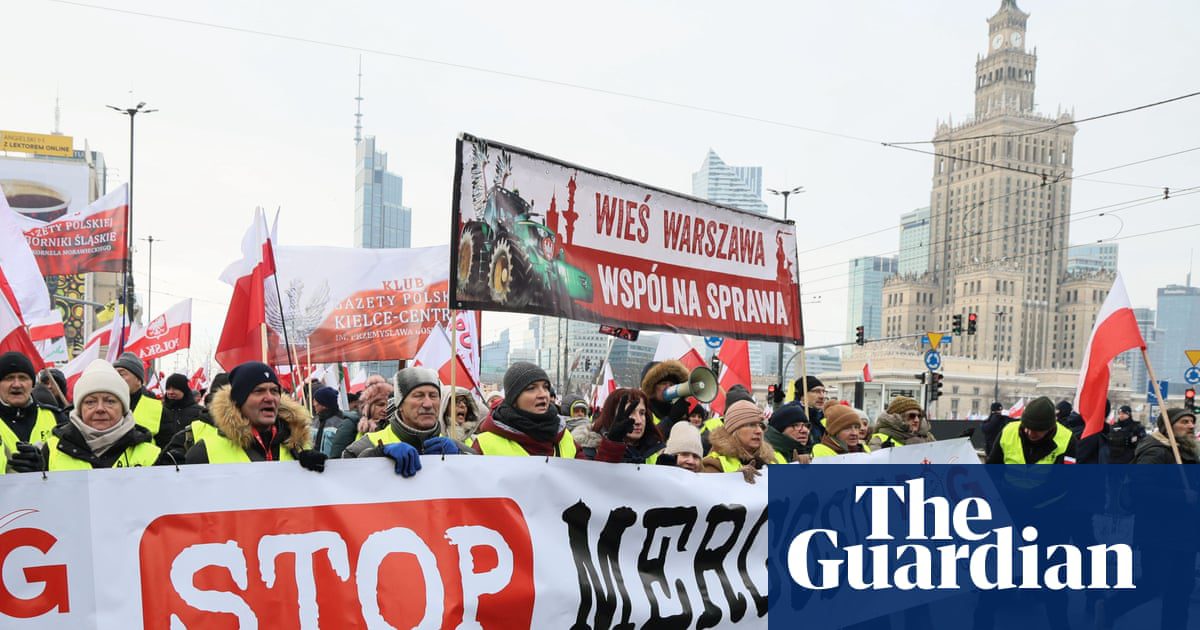
The long-awaited ratification of the Mercosur free trade agreement, culminating a quarter-century of complex negotiations, transcends mere economic cooperation; it is a critical strategic geopolitical maneuver orchestrated by the European Union. This extensive pact aims to significantly deepen economic ties with the global south, directly challenging and countering China’s rapidly expanding influence in Latin America’s resource-rich nations. The journey to adoption was fraught with internal dissent, particularly from powerful agricultural lobbies within the EU—notably France, Poland, and Hungary—who voiced concerns over competitive disadvantages and potential impacts on domestic markets. Despite this robust opposition, the agreement moved forward through a qualified majority vote, a political feat significantly propelled by Italy’s pivotal endorsement. This accord aligns seamlessly with the EU’s overarching long-term imperative to rigorously diversify its export markets and crucially mitigate single-source dependencies for a range of critical minerals and rare earths. These raw materials are not just commodities; they are indispensable inputs for its advanced, high-tech automotive and technology industries, forming the backbone of future economic growth and strategic autonomy. Historically, such monumental global trade agreements often face intense initial resistance but are ultimately instrumental in re-shaping global supply chains and economic geographies over time, akin to the transformative impacts observed following the implementation of agreements like NAFTA or the early stages of ASEAN pacts on respective regional economies. The timing of this particular deal further underscores a pervasive global trend towards securing vital strategic resources amidst an increasingly fragmented and protectionist geopolitical landscape, thereby introducing fresh and complex variables for global Investment strategies and Financial Analysis perspectives.
At its undeniable core, the fundamental economic impetus driving the Mercosur deal lies squarely in the EU’s strategic objective of securing stable and diverse supplies of vital critical minerals essential for its burgeoning industrial future. Brazil, a powerhouse within the Mercosur bloc, commands an astonishing 94% of global niobium reserves. Niobium, renowned for its applications in superalloys, is a critical element for high-performance aerospace manufacturing and advanced steel production, where it significantly enhances strength and durability. Beyond niobium, Brazil further contributes approximately 20% of the world’s graphite, nickel, manganese, and a substantial portion of rare earth reserves. These diverse minerals are fundamental across an array of modern auto and tech sectors, serving as indispensable components in electric vehicle motors, advanced electronics, and renewable energy infrastructure. Complementing Brazil’s extensive mineral wealth, Argentina stands as the third-largest lithium producer globally, supplying a critical raw material for electric vehicle batteries and large-scale energy storage solutions, crucial for the global transition to green energy. This strategic access to diversified mineral sources represents a quantum leap in enhancing the EU’s industrial resilience and significantly reducing its vulnerability to external supply chain disruptions, a recurring concern in recent global trade. For instance, a guaranteed, stable niobium supply could directly lead to improved production efficiency and potentially reduced input costs for major European aerospace and automotive manufacturers, factors that would undoubtedly translate to improved profitability metrics and investor confidence. Similarly, diversified and reliable lithium sources are expected to stabilize input prices for European EV manufacturers, effectively insulating them from the acute price volatility often associated with highly concentrated global supply points, a key metric closely scrutinized by Trading desks and relevant for comprehensive Financial Analysis across these technology-driven sectors on the NSE and BSE.
From a comparative standpoint, the EU-Mercosur pact serves as a profound reflection and an intensification of broader global endeavors to secure essential raw materials and assert geopolitical influence in key economic regions. China, for instance, through its sprawling ‘Belt and Road Initiative’, has been aggressively forging deep economic alliances across Latin America, frequently tying substantial infrastructure investments to resource extraction rights and long-term supply agreements. The EU’s proactive engagement in Mercosur, therefore, functions as a direct counter-strategy, meticulously designed to prevent Latin American economies from aligning exclusively within Beijing’s economic orbit, thereby fostering a more balanced and multilateral global trade architecture. This escalating strategic competition is undeniably poised to redefine established global trade patterns, offering European industries a critical and much-needed avenue for diversification away from existing dependencies, particularly those on Chinese critical component supply chains. The long-term implications for the global balance of trade power are substantial, with the potential to fundamentally alter the dynamics of demand and supply for a multitude of key commodities. However, this complex reorientation is not without its challenges; it also introduces intricate regulatory and environmental implications that warrant meticulous consideration. Critics vociferously argue that incentivizing increased beef and soy production within Mercosur nations, most notably Brazil, could exacerbate deforestation in ecologically sensitive biomes like the Amazon, potentially conflicting sharply with the EU’s own stringent environmental commitments and the increasingly critical principles of ESG (Environmental, Social, and Governance) investment. This intricate interplay of economic benefit, overarching geopolitical strategy, and urgent environmental stewardship creates a profoundly nuanced risk profile for both institutional and retail international investors. Monitoring the tangible commitment to sustainable practices by major corporations and governmental bodies will become a novel yet crucial ‘technical level’ for contemporary market assessment, influencing future capital allocation. [Suggested Matrix Table: Comparative Geopolitical Resource Strategy: EU vs. China in Latin America]
For a diverse spectrum of market participants, spanning Retail Investors, opportunistic Swing Traders, steadfast Long-term Investors, and discerning Finance Professionals, the Mercosur deal unequivocally creates a multifaceted investment landscape demanding close and continuous attention on the NSE and BSE. Significant investment opportunities are projected to emerge in sectors strategically positioned to benefit from more secure and diversified critical mineral supplies. This includes, but is not limited to, companies deeply embedded in the electric vehicle value chain, aerospace manufacturing, and advanced technology firms that exhibit high demand for rare earth elements, lithium, and niobium. Investors should diligently monitor the stock performance of Indian companies that possess existing or nascent exposure to these evolving global supply chains, such such as those within the specialized metals and mining sector, or technology integrators that rely on these critical inputs. Conversely, agricultural stocks within the EU, particularly those concentrated in beef, poultry, and grain production, are highly likely to face intensified competitive pressures from cheaper imports, potentially leading to subdued earnings, compressed margins, and downward pressure on valuations. Key identifiable risks for Indian market participants include the very real possibility of the European Parliament’s rejection of the deal, which would introduce considerable uncertainty; the intensification of public protests that could disrupt trade flows and supply chains; and unforeseen regulatory hurdles that might impede seamless deal implementation and erode expected profitability. Finance Professionals are therefore tasked with conducting even more rigorous due diligence, meticulously assessing both geopolitical instability and environmental governance risks. This includes potentially integrating new ‘green premiums’ or applying ‘sustainability discounts’ into their valuation models. Continuous and granular monitoring of commodity prices for both agricultural goods and critical minerals, coupled with tracking the granular details of the deal’s parliamentary approval process, anticipated in late 2025 or early 2026, will be paramount for making highly informed Investment and Trading decisions within the dynamic Stock Market India. A successful and ratified agreement could introduce new support levels for commodity-linked equities and related industrial sectors, signaling a bullish outlook, while any significant delays or outright rejection might present formidable resistance at current valuations, profoundly impacting both short-term trading strategies and long-term investment horizons.
About the Author