Key Takeaways
Analysis of Nicolás Maduro’s capture in Venezuela by US military. Explore legal precedents, US executive power, and global policy implications for informed citizens.
Overview
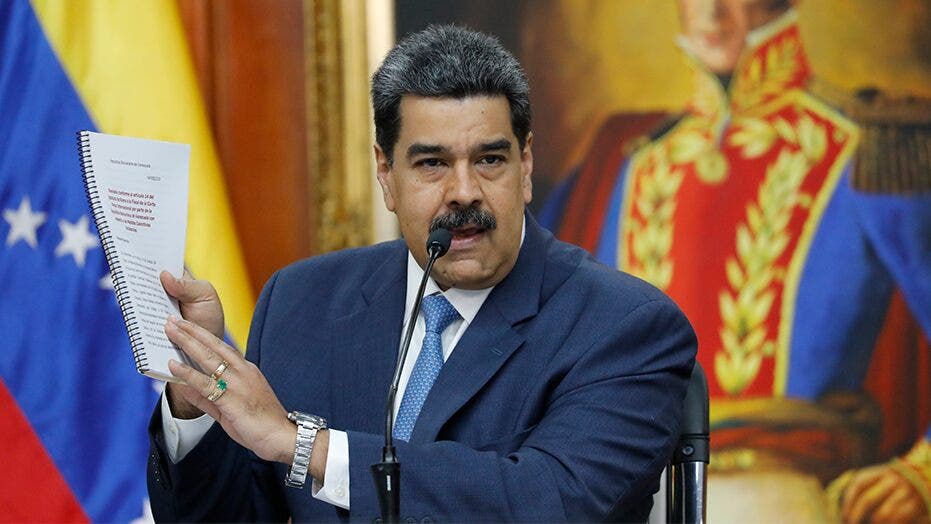
In a development with profound international ramifications, Venezuelan President Nicolás Maduro and his wife were reportedly seized in Caracas during an extraordinary military operation led by the United States. This action marks a significant escalation in US-Venezuela relations, immediately drawing comparisons to past interventions and sparking debate over international law and executive authority.
For News Readers, Policy Watchers, and Political Analysts, this event is critical. It challenges established norms of national sovereignty and sets potential precedents for global affairs, particularly concerning the pursuit of foreign leaders under international indictments. The operation’s legality and its broader geopolitical impacts demand careful scrutiny from informed citizens worldwide.
Maduro faces a pending 2020 indictment in the Southern District of New York for narco-terrorism and drug trafficking offenses. This legal basis is central to the justification presented for the operation, mirroring the framework used in the 1989 capture of Manuel Antonio Noriega.
This analysis will delve into the historical context, legal arguments, and potential long-term policy implications of this unprecedented military action in Venezuela.
Key Data
| Legal/Political Aspect | Manuel Noriega Case (Precedent) | Nicolás Maduro Case (Current) |
|---|---|---|
| Primary Indictment Basis | Drug and money laundering offenses (1989) | Narco-terrorism, cocaine importation conspiracy, machine guns (2020) |
| Head-of-State Immunity Claim | Rejected by US courts (US did not recognize legitimacy) | Expected, similar rejection anticipated (US does not view as duly elected) |
| Congressional Approval for Operation | Justified by executive authority/criminal warrant | Argument made that it is not required for such operations |
| Extradition Treaty Challenge | Rejected (Alvarez-Machain precedent: treaty did not explicitly forbid seizure) | Similar arguments expected to fail based on Noriega precedent |
Detailed Analysis
The capture of Venezuelan President Nicolás Maduro by US military forces in Caracas represents a pivotal moment in international relations, echoing past controversies over sovereignty and the reach of international law. This aggressive posture, reportedly justified by a long-standing criminal indictment, invites immediate comparison to the 1989 capture of Panama’s Manuel Noriega. Both instances involve a US administration taking direct military action to apprehend a foreign leader, bypassing traditional extradition processes, and citing charges of drug trafficking and related offenses. Such actions invariably ignite intense debates over the boundaries of national sovereignty, the interpretation of international treaties, and the extent of executive power in foreign interventions, demanding a balanced and fact-based assessment of their historical context and policy implications.
The legal foundation for the operation against Maduro rests on a four-count superseding indictment from 2020 by the Southern District of New York. This indictment alleges Maduro’s involvement in a ‘Cartel of the Suns,’ a Venezuelan drug-trafficking organization, and a ‘narco-terrorism conspiracy’ with the Revolutionary Armed Forces of Colombia (FARC). Specific charges include negotiating multi-ton cocaine shipments, providing military-grade weapons to FARC, coordinating with narcotics traffickers, and training an unsanctioned militia. Proponents of the operation assert that it constitutes the execution of a criminal warrant and a response to an international drug cartel, aligning with the legal framework employed against Noriega. Critics, however, swiftly denounced the operation as unlawful, raising questions about the need for congressional authorization for such military actions, a point of contention often debated within the US political landscape.
A critical lens for understanding the Maduro situation involves examining the legal precedents set by the Noriega case. Noriega, after his capture, challenged his arrest on grounds of head-of-state immunity and violations of extradition treaties. US courts rejected these claims, arguing the US government had not recognized him as Panama’s legitimate ruler—an argument anticipated for Maduro, whom the US also does not recognize as Venezuela’s duly elected leader. Moreover, the Supreme Court’s decision in United States v. Alvarez-Machain (1992) established that extradition treaties not explicitly prohibiting the seizure of foreign nationals do not bar such actions. These judicial precedents provide a robust legal framework the US administration is expected to leverage, reinforcing its stance on executive authority.
For News Readers, Policy Watchers, Informed Citizens, and Political Analysts, the capture of Nicolás Maduro carries significant immediate and enduring implications. Short-term, it intensifies diplomatic tensions, notably with Cuba, which reportedly provided security for Maduro. Medium-term, it reinforces a ‘Trump Doctrine’ of assertive US executive power in Latin American affairs, potentially reshaping regional geopolitics. Long-term, this event could establish a controversial precedent for future US actions against foreign leaders accused of international crimes. Stakeholders should closely monitor the legal proceedings against Maduro, international reactions, and shifts in US foreign policy toward Venezuela and its allies, as these will define the ultimate impact on global governance and international law.
About the Author