Key Takeaways
KKR’s Mustafizur Rahman signing for IPL 2026 ignites a political storm. Unpack the Rs 9.20 Cr controversy and its impact on Indian cricket fans.
Overview
A political firestorm has erupted around Kolkata Knight Riders’ (KKR) bold decision to bring in Bangladeshi fast bowler Mustafizur Rahman for the IPL 2026 season. This unprecedented situation transcends typical player transfers, thrusting the world of cricket into a dramatic clash with geopolitics.
For Sports Fans, Cricket Enthusiasts, and Sports Analysts, this development signifies more than just a strategic acquisition. It impacts team dynamics, ignites fan sentiment, and challenges the very spirit of the Indian Premier League amidst current strains in India–Bangladesh relations.
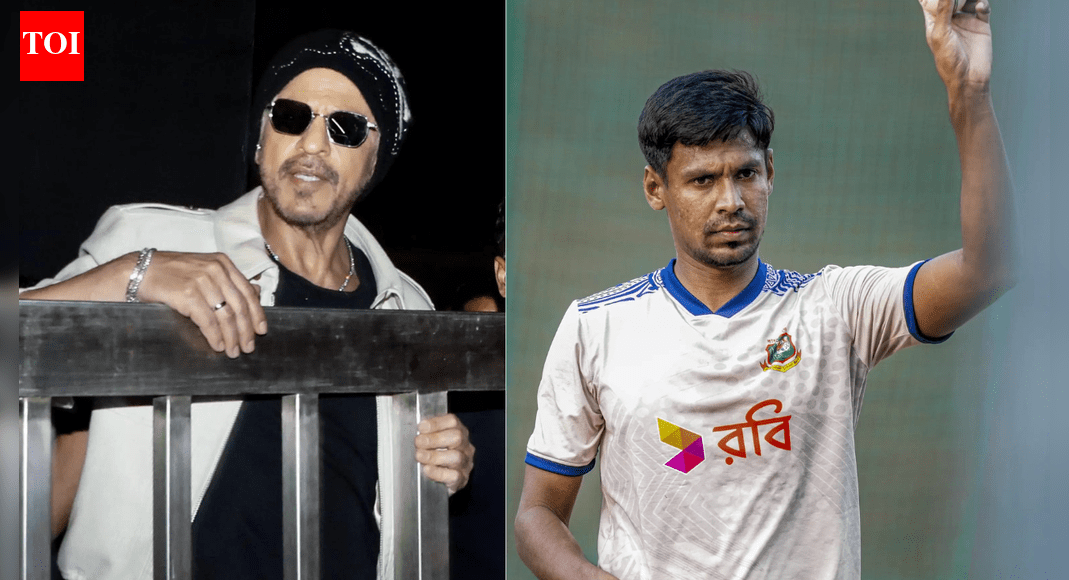
KKR secured Mustafizur Rahman for a substantial Rs 9.20 crore at the December IPL auction. However, BJP leader Kaustav Bagchi publicly warned against allowing Bangladeshi players in Kolkata matches, even threatening to bar KKR owner Shah Rukh Khan from the city.
This incendiary situation demands close attention, as its resolution will shape the future intersection of Cricket, IPL, and Sports India with the region’s complex political landscape.
Detailed Analysis
The Indian Premier League, a global spectacle known for exhilarating cricket and unparalleled star power, typically dominates headlines with record-breaking sixes, decisive wickets, and high-stakes bids. Yet, the 2026 season has already delivered an unexpected curveball of epic proportions, long before the first delivery. Kolkata Knight Riders’ acquisition of Bangladeshi pace sensation Mustafizur Rahman, a move that would usually be celebrated as a shrewd cricketing decision, has instead ignited a full-blown political firestorm. This unprecedented backlash fundamentally challenges the IPL’s long-standing narrative as a purely sporting spectacle, forcing stakeholders to confront a complex blend of international relations and domestic political sensitivities, an alarming development for Sports Fans across the subcontinent.
At the epicenter of this controversy is BJP leader Kaustav Bagchi’s strongly worded public declaration. Bagchi asserted, “If any Bangladeshi cricketer is included in the IPL team and wants to play a match in Kolkata, we won’t let it do it. We won’t even let Shah Rukh Khan enter Kolkata.” This aggressive stance directly targets KKR’s significant Rs 9.20 crore acquisition of Mustafizur Rahman, threatening that Kolkata, a scheduled host for multiple IPL matches, could become a volatile flashpoint. His further comments, explicitly linking the player’s earnings to alleged geopolitical and social concerns – “Bangladeshi cricketers like Mustafizur Rahman will earn crores of money and other Bangladeshi will supply firearms and our Hindu brothers will be killed with these weapons. It cannot be run simultaneously” – dramatically amplified the political dimensions, transforming a standard player transfer into a heated national debate. Religious groups have echoed similar sentiments, arguing against detaching sporting engagement from the prevailing political and humanitarian landscape, especially concerning reports of violence across the border against Hindu minorities, impacting Cricket Enthusiasts’ perceptions of the game.
This incident represents a significant departure from the IPL’s established apolitical stance, where the primary focus remains steadfastly on sporting prowess and entertainment. Historically, the league has been lauded for fostering a unique camaraderie among players from diverse backgrounds, often transcending entrenched national rivalries. While specific comparative data on similar player signing controversies with direct political threats is not available, this situation underscores a growing trend where international sporting events inadvertently become arenas for geopolitical tensions. The usual expectation for IPL franchises to operate solely on cricketing merit for player selections now faces an unforeseen challenge, potentially setting a concerning precedent for future overseas player signings, particularly from neighboring nations. The incident starkly contrasts with the customary, smooth integration of international talent into the IPL ecosystem, creating a new dynamic for Sports Analysts to consider.
For Sports Fans, Cricket Enthusiasts, and Sports Analysts, the implications are undeniably profound. KKR, a franchise deeply rooted in Bengali pride and owned by a global icon, faces an immediate crisis that could severely affect player morale, team cohesion, and its crucial relationship with its fervent fanbase in Kolkata. Will the IPL management step in decisively to address this unprecedented political interference, upholding the league’s cherished sporting integrity? What stance will other teams and players adopt on this sensitive issue? The situation presents increased risk for the IPL’s image as a neutral platform and could create a significant disadvantage for players from specific regions. Cricket enthusiasts should closely monitor official statements from KKR, the IPL governing council, and potentially the BCCI. The resolution of this political firestorm will undoubtedly shape future policies on player selection, match hosting, and the broader intersection of Cricket, IPL, and Sports India with the region’s complex political landscape, offering crucial insights into the evolving dynamics of sports diplomacy.
About the Author