Key Takeaways
The Kennedy Center faces a major artist exodus in 2026, with stars like Washington National Opera and Hamilton canceling shows. Unpack the cultural impact and industry shake-up.
Overview
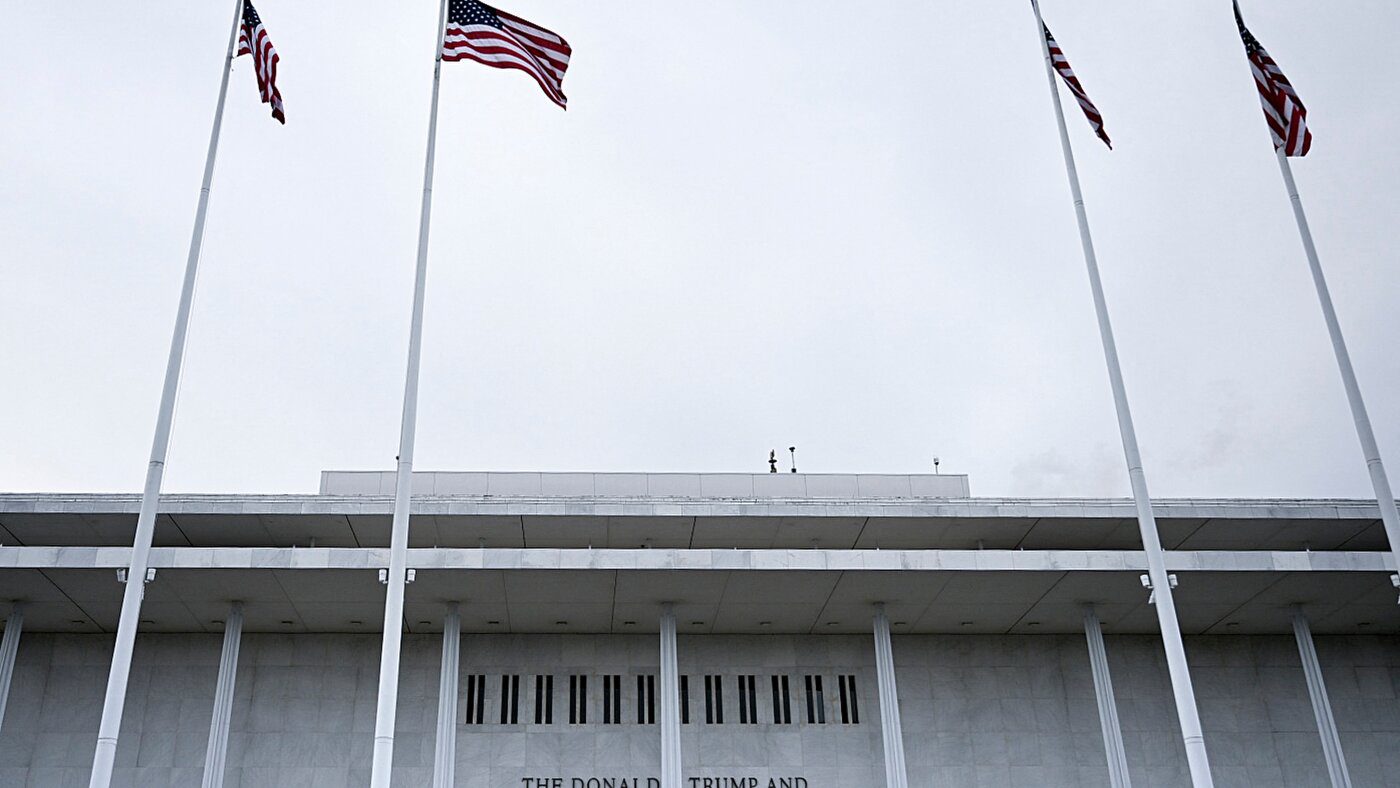
The performing arts world is abuzz with the dramatic news that the Washington National Opera (WNO) is departing the John F. Kennedy Center for the Performing Arts, its home since 1971. This move, stemming from new financial policies at the now-dubbed “Trump Kennedy Center,” has sent shockwaves through the industry, signaling a significant shift for a beloved cultural institution.
For entertainment enthusiasts, pop culture fans, and music lovers, this isn’t just about one opera company. It’s about a growing trend of Kennedy Center artists and shows, from Broadway’s biggest hits to Grammy-winning musicians, choosing to pull out. The decisions highlight mounting tensions between artistic integrity and institutional leadership.
Key figures like the touring production of Hamilton, acclaimed writer Issa Rae, and 18-time Grammy winner Béla Fleck are among the prominent names who have withdrawn their scheduled performances. The WNO’s statement cited an incompatibility between the Center’s new business model, requiring productions to be fully funded in advance, and traditional arts funding that relies on ticket sales, grants, and donations.
As the cultural landscape evolves, understanding the implications for the future of live performances and artistic freedom becomes crucial. Dive into what this means for the entertainment industry and what to watch next in this unfolding story.
Key Data
| Artist/Company | Planned Performance Date | Cancellation Date/Period | Primary Reason Cited |
|---|---|---|---|
| Washington National Opera | Since 1971 (residency) | Jan 2026 | Incompatible financial model, artistic mission |
| Hamilton (touring production) | Scheduled | March 2025 | Political partisanship, business reasons |
| Issa Rae | Sold-out March performance | Feb 2025 | Infringement on institutional values |
| Sonia De Los Santos | February concert | Jan 8, 2026 | Not a welcoming space for artists/audience |
| Béla Fleck | Scheduled with NSO | Jan 7, 2026 | Became “charged and political” |
| Stephen Schwartz | Gala fundraiser, May 2026 | Jan 2, 2026 | Appearance became “ideological statement” |
| The Cookers | “A Jazz New Year’s Eve” | Late Dec 2025 | Unable to “celebrate the full presence of music” |
| Chuck Redd | Annual Christmas Jazz Jam | Dec 27, 2025 | Name change, threat of lawsuit |
| Doug Varone and Dancers | April 2026 performance | Dec 31, 2025 | Renaming “pushed off a cliff,” drop in artistry |
| Magpie | Feb 28 concert | Jan 5, 2026 | Moral picket line in solidarity with artists |
| Kristy Lee | Jan 14 performance | Jan 2026 | Political branding, artistic freedom |
| Low Cut Connie | February 2025 concert | Jan 2026 | Institution chaired by political figure |
| Rhiannon Giddens | May 11 concert | Feb 2025 | Programming changes forced by new board |
| Balún | Feb 27, 2025 performance | Feb 2025 | Space no longer aligns with values |
| U.S. Marine Band | Equity Arc Wind Symphony event | Feb 2025 | DEI orders, lack of federal support |
Detailed Analysis
The John F. Kennedy Center for the Performing Arts, long a beacon of cultural expression in Washington D.C., is facing an unprecedented exodus of its resident artists and scheduled performers. This dramatic shift began with the appointment of President Donald Trump as chairman of its board in February 2025, and escalated significantly with the board’s controversial vote to rename the institution the “Trump Kennedy Center” in December. The decisions have ignited a heated debate across the entertainment industry, turning a revered venue into a focal point of political and artistic contention. What was once a neutral stage for diverse performances has, for many, become a battleground, leading to a wave of high-profile cancellations and a re-evaluation of its role in the nation’s cultural landscape.
At the heart of the latest developments is the departure of the Washington National Opera, a resident company since the Center’s inception in 1971. The WNO cited new financial policies at the Kennedy Center, specifically a requirement that productions be fully funded in advance. This model clashes with the typical operational realities of opera companies, which often cover only 30-60% of costs through ticket sales, relying on grants and donations that cannot be secured years ahead of time. Moreover, the WNO expressed concerns that this new model wouldn’t accommodate its artistic mission to balance popular works, such as West Side Story, with more experimental pieces like Scott Joplin’s Treemonisha. Traditionally, revenue from major productions subsidizes smaller, innovative works. Artistic director Francesca Zambello shared her sadness but also a forward-looking vision, as the WNO swiftly launched an independent website, ready to explore new venues. The Kennedy Center, through executive director Richard Grenell, offered a contrasting perspective, stating the opera’s departure was due to a “financially challenging relationship” and that ending the “exclusive partnership” would allow for greater flexibility in bringing in diverse operas globally.
The WNO’s exit is not an isolated incident; it’s the most recent and arguably most significant in a string of artist withdrawals. Broadway powerhouse Hamilton canceled its run in March 2025, with producer Jeffrey Seller citing both political partisanship and concerns over the reliability of contracts under the new leadership. Actress and writer Issa Rae, Grammy winner Béla Fleck, and celebrated composer Stephen Schwartz also pulled out, each expressing discomfort with the politicization of the venue. Richard Grenell, the Kennedy Center’s executive director, has consistently pushed back on social media, accusing artists like Béla Fleck of caving to a “woke mob” and being “intolerant.” He even threatened a $1 million lawsuit against jazz drummer Chuck Redd for his cancellation. This ongoing conflict highlights a deeper divide within the performing arts community regarding artistic freedom and the influence of political appointments on cultural institutions.
For pop culture fans and entertainment enthusiasts, this situation means closely monitoring the evolution of the performing arts landscape. Will more artists follow suit, choosing independent venues or creating alternative performance spaces? The Doug Varone and Dancers company, after canceling their April 2026 performance, successfully crowdfunded over $42,000 to offset their financial loss, demonstrating a strong public desire to support artists prioritizing their values. This trend could lead to a decentralization of the arts scene, with smaller, more independent venues gaining prominence. Key metrics to watch include future booking announcements for the Kennedy Center, the success of artists like WNO in new independent ventures, and the ongoing public discourse around artistic freedom. The controversy surrounding the Kennedy Center challenges us to consider the delicate balance between cultural patronage and political neutrality, ensuring that art remains a space for universal connection, free from ideological statements.
About the Author