Key Takeaways
Jack Smith’s First Amendment stance challenges legal precedent on Trump’s speech. Understand implications for US political discourse and constitutional rights.
Overview
Special Counsel Jack Smith’s recent congressional testimony has ignited a critical debate regarding the scope of First Amendment protections, particularly concerning political speech by figures like former President Donald Trump. Smith’s assertion that Trump’s January 6th speech lacked constitutional safeguarding challenges long-standing interpretations of free speech law in the United States.
This development carries substantial implications for News Readers, Policy Watchers, Informed Citizens, and Political Analysts, shaping future discussions on executive authority, government policy, and legal precedent. The confrontation highlights the critical tension between prosecutorial objectives and the bedrock principles of free expression under the US Constitution.
During his testimony, Smith explicitly stated that speech made to target a lawful government function with knowing falsity is “absolutely not” protected, equating it to fraud. This perspective directly contrasts with established Supreme Court rulings such as United States v. Alvarez (2012) and Snyder v. Phelps (2011), which affirmed broad protections even for false or offensive speech.
The unfolding legal arguments underscore the need to scrutinize interpretations of constitutional rights, with profound effects on future legal proceedings and public understanding of free speech in government matters, demanding close monitoring by all stakeholders.
Detailed Analysis
The core of the current political and legal contention revolves around Special Counsel Jack Smith’s interpretation of the First Amendment as applied to former President Donald Trump’s statements leading up to January 6th. Historically, the United States Supreme Court has established robust protections for political speech, even when such speech is considered controversial, hateful, or factually dubious. This judicial tradition recognizes political expression as fundamental to a healthy democracy, allowing for a wide range of opinions and challenges to authority. Key precedents, such as Brandenburg v. Ohio (1969), set a particularly high bar, stipulating that speech is protected unless it is directed to inciting or producing imminent lawless action and is likely to incite or produce such action. This carefully defined standard prevents suppression of dissenting or even inflammatory political discourse, ensuring a vibrant, if at times contentious, public sphere. This contextual backdrop forms the critical lens through which Smith’s recent pronouncements before Congress are being evaluated by legal scholars, constitutional experts, and policy watchers alike.
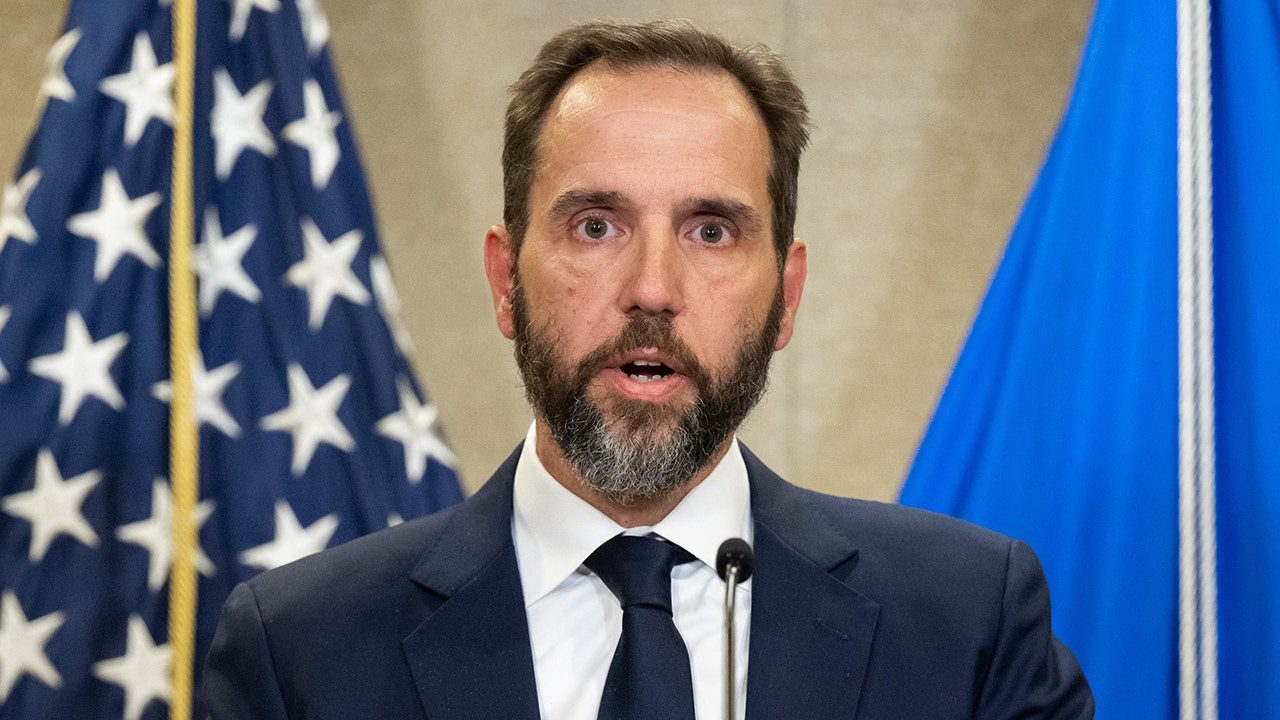
During his appearance before Congress, specifically when questioned by Chairman Jim Jordan (R-Ohio), Special Counsel Smith declared that speech made to “target a lawful government function” with “knowing falsity” is “absolutely not” protected by the First Amendment, directly equating such speech to fraud. This declaration, however, appears to misinterpret foundational Supreme Court decisions that have consistently upheld broad free speech rights. For instance, the landmark ruling in United States v. Alvarez (2012) saw the Court, in a 6-3 decision, strike down the Stolen Valor Act, affirming that even knowingly false statements are generally protected under the First Amendment. The Court in Alvarez clarified that unprotected categories of speech are very narrow and typically involve direct financial gain or defamation, not political advantage. Similarly, Snyder v. Phelps (2011) affirmed protections for hateful and offensive public protests, further illustrating the broad scope of protected speech, even when highly unpopular or morally objectionable. Smith’s position suggests a more expansive definition of unprotected speech than historically recognized by the judiciary, particularly concerning political rhetoric, which has traditionally received the highest level of constitutional protection.
This divergence in interpretation is further highlighted by a notable shift in editorial stance from prominent media outlets, including The Washington Post. Previously perceived by some as supportive of actions against Trump’s speech, the Post now acknowledges that “political speech — including speech about elections, no matter how odious — is strongly protected by the First Amendment.” The paper further opined that “fraud is a crime… But that almost always involves dissembling for money, not political advantage.” This re-evaluation by a major media outlet underscores the serious constitutional questions raised by Smith’s approach. Critics argue that creating new exceptions to First Amendment protections, particularly for speech targeting “lawful government functions,” risks setting dangerous precedents. Such precedents could be exploited by future administrations to suppress legitimate oppositional political discourse or to selectively prosecute political opponents, thereby undermining democratic checks and balances and creating a chilling effect on public debate. The implications for the government’s ability to regulate political expression are significant, demanding careful judicial scrutiny.
For News Readers, Policy Watchers, Informed Citizens, and Political Analysts, the implications of this legal debate are profound and far-reaching across short, medium, and long-term horizons. In the short-term, immediate reactions will focus on the ongoing legal challenges and the specific arguments presented in court filings pertaining to Trump’s January 6th speech. This will involve close scrutiny of judicial opinions and any preliminary rulings that might signal the court’s leanings. The medium-term ripple effects could involve legislative debates surrounding speech protections, especially concerning elections and government policy, potentially leading to calls for statutory clarifications or amendments. Policy Watchers should monitor legislative proposals and debates in Congress that seek to define the boundaries of political speech in the context of government functions. In the long-term, the outcome of these legal battles will not only shape the future of political dissent and campaign rhetoric but also define the boundaries of prosecutorial power in cases involving high-profile political figures. This will create a critical precedent for the protection of free speech under the US Constitution, impacting citizens’ rights and the future of political discourse for decades. News Readers should understand the foundational constitutional principles at stake. Policy Watchers and Political Analysts must monitor upcoming Supreme Court decisions and legislative actions concerning these speech protections. Any ruling that narrows the scope of protected political speech, particularly if it deviates significantly from established precedents, could be seen as increasing risk for oppositional voices and potentially centralizing government control over public discourse. Conversely, a reaffirmation of broad speech protections would reinforce the existing constitutional framework. The delicate balance between safeguarding democratic processes and upholding fundamental constitutional rights remains paramount, defining how future political debates and dissent can legitimately occur within the framework of the US government and broader policy landscape. Stakeholders should pay close attention to judicial interpretations and how they might influence subsequent legal proceedings and public understanding of free speech.
About the Author