Key Takeaways
An attack in Israel escalates Middle East tensions. Analyze the geopolitical risk for investors, impact on global markets, oil prices, and defense stocks. Monitor NSE & BSE sentiment.
Overview
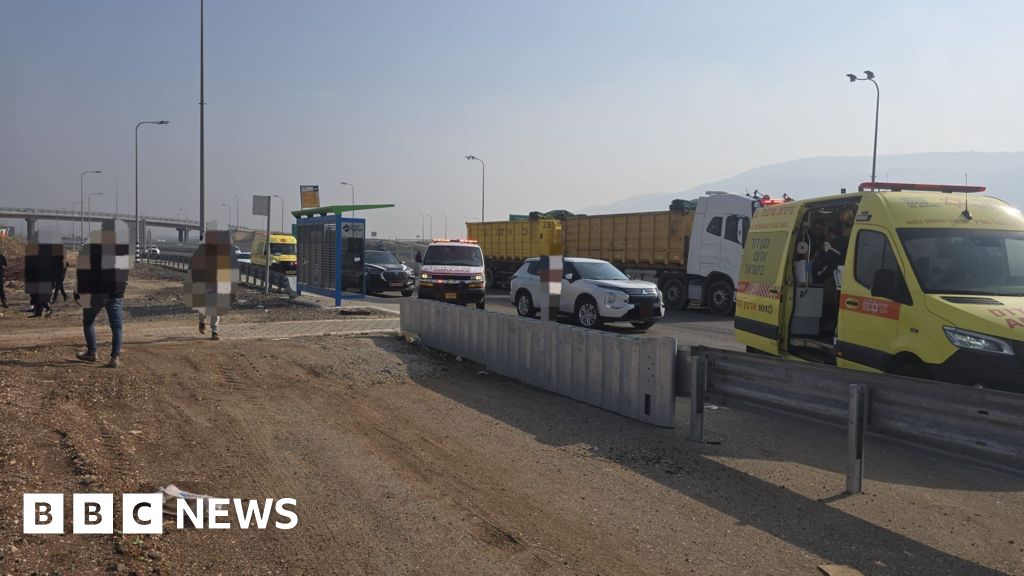
A recent suspected Palestinian ramming and knife attack in northern Israel, resulting in two fatalities, immediately amplifies geopolitical risk concerns for global markets, directly influencing investor sentiment. This incident, described by police as a “rolling terror attack,” underscores the persistent instability in the Middle East.
For Retail Investors, Swing Traders, Long-term Investors, and Finance Professionals, such events necessitate a re-evaluation of risk exposures. The heightened tensions can trigger shifts in capital flows, impacting commodity prices and potentially safe-haven assets.
The attack involved a 68-year-old man killed and a 16-year-old boy injured in a ramming, followed by an 18-year-old woman stabbed several miles away. The suspect, from the occupied West Bank, was later wounded.
This development mandates close monitoring of international relations and their potential ripple effects on various market segments, including the NSE and BSE, as part of comprehensive financial analysis.
Detailed Analysis
The recent “rolling terror attack” in northern Israel serves as a stark reminder of the persistent geopolitical volatilities emanating from the Middle East. While the immediate human tragedy is paramount, for market participants, the incident swiftly translates into an elevated risk premium, particularly across energy sectors and defense industries. Historically, escalations in the Israeli-Palestinian conflict have triggered broader market reactions, often leading to increased crude oil prices and a flight to safety, impacting global indices and indirectly influencing the Stock Market India, including the NSE and BSE.
This particular incident, involving a ramming and stabbing spree, follows an Israeli reservist being fired after ramming a Palestinian with a quad bike, indicating a cycle of violence. Such events, while localized, contribute to a pervasive sense of uncertainty that can deter foreign investment in the region and influence global investor appetite for riskier assets. The Israel Defense Forces (IDF) immediately preparing for operations in the suspect’s village of Qabatiya signals potential for further escalation, a critical factor for financial analysis and strategic investment planning.
From a detailed financial analysis perspective, direct metrics related to this specific attack are not disclosed in the source content. However, investors typically evaluate several factors: the potential for broader regional conflict, its impact on oil supply routes, and the performance of defense stocks. Historically, companies with significant operations or exposure to the Middle East may face increased operational risks, affecting their earnings outlook. Furthermore, any disruption to global trade routes or sustained high energy prices could exert inflationary pressures, influencing central bank policies globally, including those of the RBI, and subsequently impacting interest-rate sensitive sectors on the NSE and BSE. Long-term investors must consider the structural implications of prolonged instability on global supply chains and economic growth projections.
Comparative analysis shows that previous periods of heightened tension in the Middle East, such as the period following the Hamas attacks on Israel in October 2023, have seen significant shifts in market dynamics. The source notes over a thousand killed in Israel since Oct 7, 2023, and over 70,600 killed in Gaza, illustrating the prolonged and intense nature of the conflict. During such times, gold and other safe-haven assets tend to appreciate, while sectors directly exposed to geopolitical risk, such as airlines and tourism, might face headwinds. Defense companies often see increased valuations due to anticipated higher government spending. The current incident, while smaller in scale than the 2023 conflict, adds to an already fragile geopolitical landscape, and its potential to ignite further retaliatory actions makes it a significant, albeit qualitative, market driver.
For Retail Investors, Swing Traders, Long-term Investors, and Finance Professionals, the immediate takeaway is to reassess portfolio sensitivity to geopolitical events. Swing traders might identify short-term volatility opportunities in commodities or defense stocks, while long-term investors should consider the broader economic implications of sustained regional instability, particularly regarding crude oil prices and their effect on India’s import bill and inflation. Monitoring the actions of the IDF and international diplomatic responses will be crucial. This event, although localized, underscores the interconnectedness of global financial markets, demanding a data-driven approach to risk management and investment strategy within the context of Indian Stock Market movements and global economic trends.
About the Author